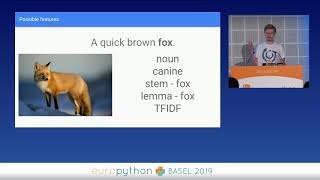
Natural Language Processing with Neural Networks
Dive deep into NLP with neural networks, exploring architectures, feature engineering, and practical tips for optimal results while considering computational costs and interpretability.
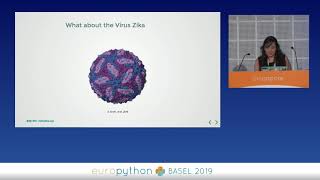
When a Biologist Met Python
Explore the intersection of biology and Python, discovering how computational tools enhance biological research and improve scientific workflows.
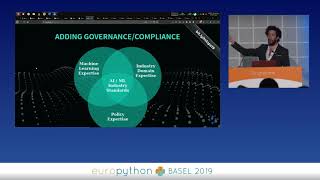
The State of Machine Learning Operations in 2019
Overview of key challenges and trends in machine learning productization, covering reproducibility, explainability, and orchestration. Includes insights on open-source tools and frameworks for tackling these issues in ML operations.
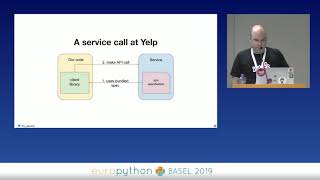
Testing Microservices - Fast and With Confidence
Explore efficient microservice testing techniques using contract testing and state validation, enabling faster development with high confidence without relying on costly end-to-end tests.
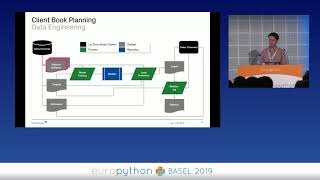
Building Data-Driven Client Relationship Management in Banking with Python
Transforming banking sales with Python: data-driven client management, machine learning pipelines, and automated processes for improved efficiency and personalized service.
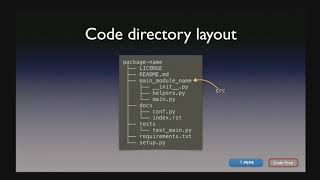
From Python Script to Open Source Project
Comprehensive guide to transform a Python script into a polished open-source project, covering structure, testing, automation, and best practices for community contribution and maintenance.
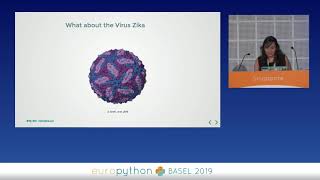
When a Biologist Met Python
Explore the intersection of biology and Python, discovering how this programming language revolutionizes research in computational biology and bioinformatics through various modules and tools.
Get Up to Speed with Cython 3.0
Explore Cython 3.0's capabilities for optimizing Python code, enhancing performance, and integrating native code. Learn about upcoming changes and their impact on user experience.
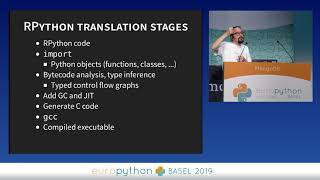
Opening PyPy's Magic Black Box
Explore PyPy's meta-tracing JIT compiler, understanding its optimization techniques for faster Python code execution. Gain insights into PyPy's inner workings and learn to leverage its performance benefits.
Advanced pytest
Dive into pytest plugin development to enhance test suites. Learn to add markers, customize test selection, generate reports, and create GitHub issues for regressions. Explore packaging plugins with Cookiecutter for PyPI distribution.
Exceptional Exceptions
Explore advanced exception handling techniques, from raising and capturing to creating custom hierarchies. Learn best practices for clear, effective error management in Python.
Explaining AI to Managers
Demystifying AI for non-technical leaders: Learn to communicate the real value and potential of artificial intelligence in business contexts without delving into complex mathematics.

Understanding Numba - The Python and Numpy Compiler
Explore Numba, a JIT compiler for Python and Numpy, to accelerate numerical code. Learn implementation techniques, performance optimization, and compare with other high-performance computing options.
Are Women Underrepresented in the High Performance Computing Community
Exploring gender representation in High Performance Computing: current demographics, challenges, and strategies for achieving balance and inclusivity in the field.
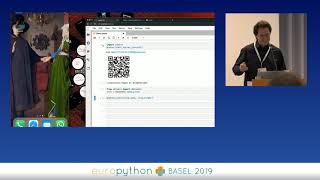
PlotVR - Walk Through Your Data
Explore 3D data visualization with PlotVR, enabling immersive VR and AR experiences. Navigate scatter plots using your phone and computer keyboard for a unique perspective on your datasets.

Introduction to Low-Level Profiling and Tracing
Explore low-level profiling and tracing tools on Linux, including ptrace, perf, SystemTap, and BCC/eBPF. Learn about their capabilities, advantages, and potential for optimizing Python performance.
Gamifying the Study of Algorithms
Explore innovative approaches to learning algorithms through gamification, enhancing problem-solving skills and making the study process engaging and enjoyable for software developers.
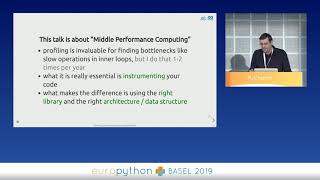
Tips for the Scientific Programmer
Practical insights for efficient scientific programming, covering parallelism, data management, memory optimization, and performance enhancement for large-scale numeric calculations.
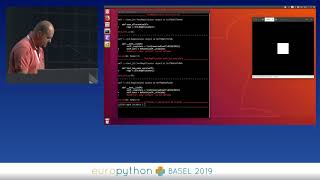
How to Write a JIT Compiler in 30 Minutes
Explore the fundamentals of JIT compilers through live coding. Learn to build a simple, functional compiler from scratch, demystifying complex systems like PyPy and Numba.
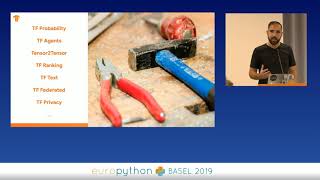
Deep Learning with TensorFlow 2.0
Explore TensorFlow 2.0's updates, including Keras API, and learn to build machine learning models in Python. Discover new features and gain practical insights for getting started.
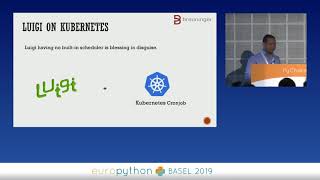
Building Data Workflows with Luigi and Kubernetes
Learn to build complex data pipelines using Luigi, package them as Docker images, and deploy on Kubernetes for scalable Big Data workflows with on-demand scaling and cost reduction.