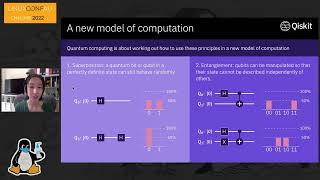
Qiskit - Building a Quantum Computing Community
Explore quantum computing with Qiskit, an open-source SDK. Learn about qubits, quantum algorithms, and join a global community of developers pushing the boundaries of computational power.
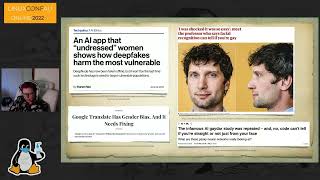
Roll for Initiative - How to Make the World of AI a More Ethical Place
Explore strategies to combat algorithmic bias in AI through a Dungeons & Dragons-themed presentation, addressing key ethical issues and proposing solutions for more equitable artificial intelligence.
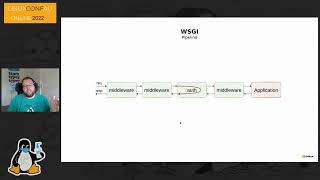
Visualising and Tracing Requests Through a Cluster - Integrating OpenTracing into OpenStack Swift
Integrating OpenTracing into OpenStack Swift for visualizing and tracing requests, enhancing cluster performance, and aiding development focus through interactive graphs and visual traces.
Footguns and Factorisation - How to Make Users of Your Cryptographic Library Successful
Explore cryptographic library usability, common pitfalls, and strategies for developers to enhance security in open-source projects. Learn to create more robust and user-friendly cryptographic implementations.
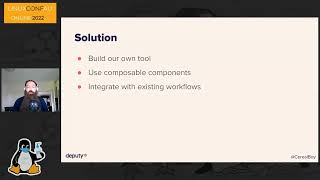
On the Importance of Visibility
Explore the importance of visibility in orchestrated services, learn from real-world incidents, and discover strategies to prevent hidden issues in internal tools and products.
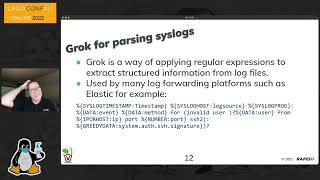
Velociraptor - Dig Deeper in Linux
Explore Velociraptor, an open-source DFIR framework for efficient incident response and threat hunting in large networks. Learn to leverage VQL for powerful Linux security monitoring and automation.
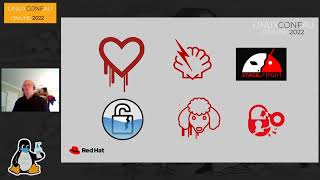
Building an Ephemeral World
Explore tools for creating ephemeral workloads: ImageBuilder for Linux images and Buildah for containers. Learn strengths, weaknesses, and security practices for modern, short-lived compute environments.

Election Night Analysis - Art or Science
Explore statistical methods for predicting Australian election results with ABC analyst Antony Green. Learn about data sources, assumptions, and robust processes used to call elections before official counts are finalized.
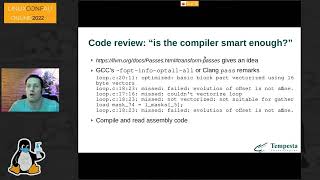
What C and C++ Can Do and When Do You Need Assembly
Explore compiler optimizations, hardware extensions, and Assembly language to achieve maximum code efficiency beyond standard C and C++ capabilities.
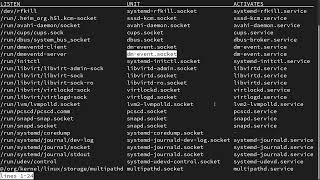
MariaDB Database Per User, on Demand - AKA Systemd Multi-Instance Socket Activated
Aprenda a configurar bancos de dados MariaDB por usuário sob demanda usando systemd, oferecendo separação de segurança e controle de recursos sem uso de nuvem ou contêineres.
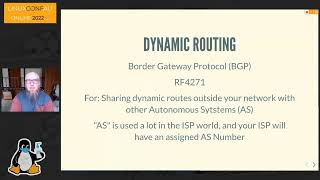
Learning About Slightly More Advanced Networking with Linux
Explore advanced Linux networking concepts like VLANs, OSPF, and BGP. Learn to build a proper router using Linux and discover tools for mastering these technologies.
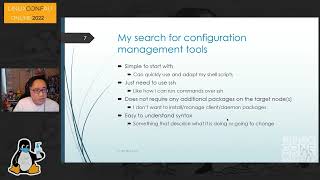
Playtime with Configuration - From Script to Galaxy
Explore the evolution of Linux system configuration, from basic scripts to advanced tools like Ansible, with practical examples and demonstrations.
Made to Measure - The Biases and Boundaries of Biometrics
Exploring biometrics' history, ethics, and societal impact, from phrenology to modern facial recognition, highlighting the need for responsible use of body measurement technologies.
What Does Linux Australia Do All Year?
Discover Linux Australia's role in supporting open-source communities, events, and advocacy. Learn about its governance, initiatives, and how you can contribute to its mission.

Why Your Encrypted Database Isn't Secure - Practical Attacks Against Encrypted OSS Databases
Explore practical attacks on encrypted databases, their limitations, and mitigation strategies. Learn about threat modeling and alternative approaches to enhance data security while maintaining performance and usability.
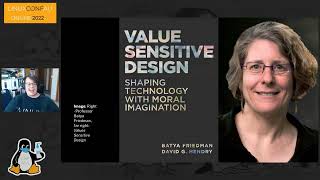
Communities Are Systems - What Can Systems Thinking Teach Us When It Comes to Communities
Explore how systems thinking concepts apply to communities, uncovering insights on creating, curating, and concluding them. Learn to view communities as interconnected systems with roles, inputs, and outputs.
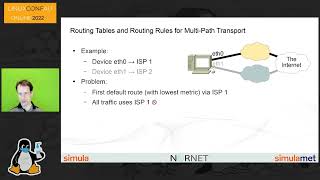
NorNet – A Linux- and Open-Source-Software-Based International Platform for Networking Research
Explore NorNet, an open Internet testbed for multi-homed systems research. Learn about advanced Linux features, multi-path transport, and guidelines for utilizing multi-homing in your own projects.
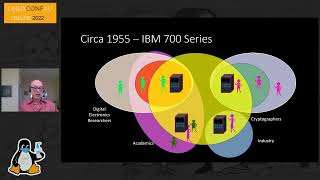
The Security Community Expressed As Too Many Venn Diagrams
Explore the complex relationships within the Open Source security community, its impact on various disciplines, and future predictions for the broader Open Source ecosystem.
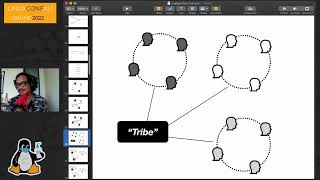
Engineering Kindness
Explore strategies for fostering empathy in software organizations, addressing challenges in communication, and creating a more positive work environment for improved collaboration and productivity.
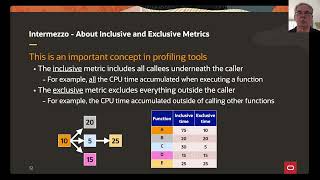
Gprofng - The Next Generation GNU Profiling Tool
Explore gprofng, a next-gen Linux profiling tool for C, C++, Java, and Scala. Learn its features, architecture, and advantages over gprof through practical examples and future development plans.

More Than Words - Reviewing and Updating Your Information Architecture
Discover effective strategies for assessing, planning, and implementing information architecture to enhance user experience, SEO, and content findability in technical documentation.