How Your DRAM Becomes a Security Problem
Explore DRAM security vulnerabilities and side-channel attacks targeting row buffers, with implications for various devices and systems regardless of software or OS.
Can You Trust Me Now? An Exploration Into the Mobile Threat Landscape
Comprehensive exploration of mobile security, examining hardware, software, and network components across platforms to uncover vulnerabilities and discuss protective measures for data and devices.
Dangerous Hare - Hanging Attribute References Hazards Due to Vendor Customization
Explores security vulnerabilities in customized Android systems, revealing how malicious apps can exploit hanging attribute references to gain unauthorized access and control over device functions.

Dungeons Dragons and Security
Innovative security training using role-playing game to teach basic principles through building attack/defense scenarios. Engages neophytes by drawing parallels between game and real-world security challenges.

The Tao of Hardware - The Te of Implants
Explore cheap hardware attacks on embedded devices and industrial control systems, including privilege escalation, kernel patching, and wireless control of PLCs. Learn about design decisions to reduce vulnerabilities.
Does Dropping USB Drives in Parking Lots and Other Places Really Work?
Explores the effectiveness of USB drive-based attacks through a campus experiment, revealing high success rates and analyzing factors influencing user behavior. Discusses mitigation strategies and demonstrates new tools.

Level Up Your Career - A Panel on Staff+ Engineering
Expert panel discusses transitioning from Senior to Staff+ engineering in security, offering insights on career advancement and answering audience questions about high-level roles in cybersecurity.
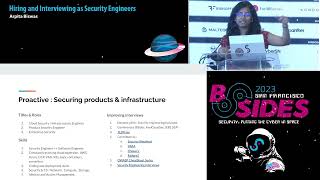
Hiring and Interviewing as Security Engineers
Insights on reducing bias in security hiring and maximizing interviews for various roles, drawing from a decade of global experience across major tech companies and startups.
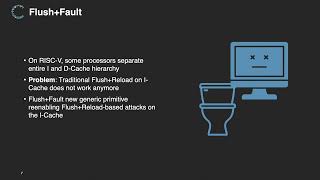
A Security RISC - Microarchitectural Attacks on Hardware RISC-V CPUs
Explore microarchitectural vulnerabilities in RISC-V CPUs, examining potential security risks and attack vectors in this emerging processor architecture.
Safer Apps from Docker Security Building Blocks
Explore Docker's comprehensive security approach for container platforms, from LinuxKit-built OS to SwarmKit orchestration, enhancing application safety in distributed systems.
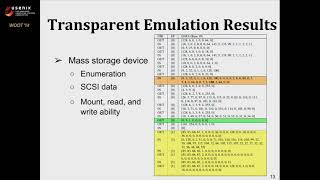
Lowering the USB Fuzzing Barrier by Transparent Two-Way Emulation
Innovative USB testing framework enabling cost-effective, flexible analysis and modification of USB communication. Introduces two-way emulation for enhanced fuzzing and vulnerability detection.
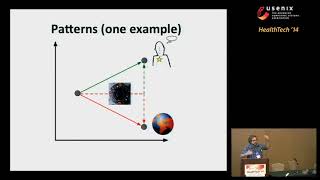
Ethnography of Computer Security Evasions in Healthcare Settings - Circumvention as the Norm
Explores healthcare professionals' workarounds to computer security, examining motivations and behaviors that weaken security policies. Discusses ethnographic methods to understand and address these circumventions.

Skilled or Gullible? Gender Stereotypes Related to Computer Security and Privacy
Explore gender stereotypes in computer security and privacy, examining perceptions of skill and gullibility across different demographics and their implications for the field.
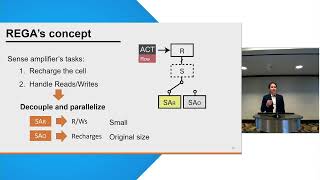
REGA - Scalable Rowhammer Mitigation with Refresh-Generating Activations
Explore a scalable solution for Rowhammer attacks in DRAM, focusing on Refresh-Generating Activations to enhance memory security and system reliability.
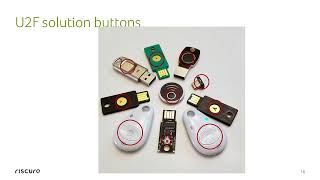
Attacking an Open Source U2F Device in 30 Minutes or Less
Explore vulnerabilities in FIDO U2F tokens, focusing on an open-source implementation. Learn about security features, design flaws, and potential attacks on hardware token security.
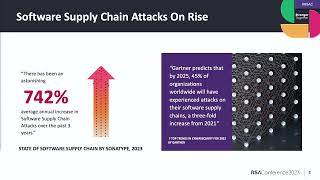
Scaling Software Supply Chain Source Security in Large Enterprises
Explore strategies for securing diverse software supply chains in large enterprises, including open-source, vendor, SaaS, and hardware. Learn to operationalize SBOMs for enhanced security and risk management.
Hardware Security Following CHIPS Act Enactment - New Era for Supply Chain
Explore the impact of the CHIPS Act on hardware security and supply chain innovation with experts from government and industry, discussing policy developments and global implications.

Rust 2018 - Access All Areas
Explore Rust 2018's versatility across platforms, from microcontrollers to servers. Learn about memory safety, ergonomic improvements, and Rust's unique ability to function in diverse contexts without a runtime.
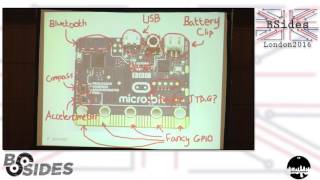
Pwning the Micro-Bit
Explore the Micro:Bit's origins, components, and vulnerabilities to extract user and device information through hardware exploitation techniques.
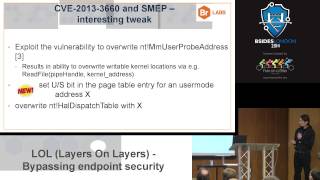
Layers on Layers - Bypassing Security for Fun and Profit V2
Explore kernel vulnerabilities in Windows and their impact on security solutions. Learn how to bypass multiple layers of protection and discuss more robust defensive strategies.

Should You Be Afraid of Hands-On Payment Devices?
Unveiling vulnerabilities in Point of Sale terminals: from anti-tampering mechanisms to cloning. Explore the lifecycle of popular devices and the hacking techniques used to compromise payment security.