MLOps MLFlow - Integration with LlamaIndex
Discover how to integrate MLFlow with LlamaIndex, leveraging OpenAI models and exploring MLflow traces for enhanced machine learning operations and tracking.
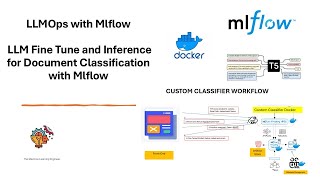
LLMOps with MLflow - Document Classification Using Fine-Tuned LLM Models
Master end-to-end document classification using MLflow for LLM fine-tuning, inference, and deployment with Docker. Build robust APIs and implement CI pipelines for efficient machine learning operations.

Building AI Agents with Integrail - From Email Drafting to ArXiv Scraping
Master practical AI agent development with Integrail through hands-on demonstrations, including email drafting, job post parsing, and arxiv paper summarization, with expert guidance and platform insights.
Introduction to Game Shaders and GLSL Programming - Lecture 18
Dive into shader programming fundamentals, from basic GLSL concepts to advanced effects like green screening and spotlights, with hands-on demonstrations using ShaderToy and SFML implementation.
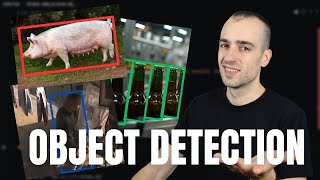
Object Detection with Python - A Beginner's Guide to Computer Vision
Learn to build an AI-powered object detection system using Python, OpenCV, and YOLO, covering essential tools, dataset preparation, and model training techniques.

Introduction to Dynatrace Platform and Its Applications for Different Roles
Discover how Dynatrace's unified platform empowers different roles - from DevOps and SREs to business stakeholders - with comprehensive monitoring, cloud operations, and application performance insights.
Fine-tuning Llama 3.2 for Mental Health Sentiment Analysis Using TorchTune
Master fine-tuning techniques for Llama 3.2 using torchtune, focusing on sentiment analysis for mental health data with practical implementation steps on a single GPU.

PicoRing - Battery-Free Rings for Subtle Thumb to Index Input
Discover groundbreaking battery-free ring technology that enables subtle finger-based input interactions, revolutionizing wearable device interfaces and human-computer interaction methods.
Mastering Confusion Matrix in Machine Learning - From Confusion to Clarity
Master the confusion matrix to evaluate and enhance machine learning model performance through accuracy, precision, and recall metrics for better classification results.
Building a Global-Scale Data Platform with Kubernetes, MongoDB, and HashiCorp Tools
Master global data infrastructure deployment using Kubernetes, MongoDB, and HashiCorp tools for secure, scalable multi-cluster operations across geographical locations.
Introduction to Retrieval Augmented Generation (RAG) - From Fundamentals to Implementation
Dive into RAG fundamentals and learn to implement AI-powered chatbots using vector databases, combining retrieval and generative models for enhanced information processing capabilities.
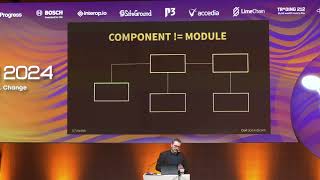
Turning Complexity Into Modularity - Strategies for Sustainable Software Architecture
Discover strategies for designing modular software systems by understanding the forces that drive architectural complexity and learning practical approaches to create maintainable, adaptable solutions.
Different Approaches in Detection of Machine-Generated Texts
Explore various methods and challenges in detecting AI-generated content, including solution demonstrations and performance analysis of different detection approaches.
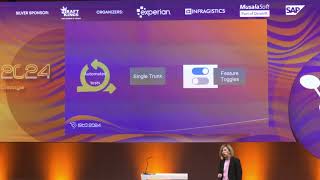
Metamorphosis - The Daily Delivery Transformation Story
Discover how a software development team transformed their delivery process through cloud adoption, DevOps practices, and DORA metrics to achieve greater speed and agility in deployment.
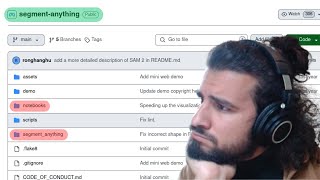
A Systematic Approach to Reading Deep Learning Codebases
Master a systematic approach to understanding complex deep learning codebases, from initial paper review to mapping structure and components, with practical examples using SAM1.
Deploying Generative AI Applications - Building Code Assistants, Image Search, and Robotics Solutions
Discover practical implementations of LLMs through hands-on demonstrations of image search applications, coding assistance tools, and vision-language action models for robotics integration.

Double Hashing and Collision Handling Techniques in Data Structures
Master collision handling techniques in hashing, including double hashing and open/closed addressing methods for efficient data structure implementation and optimization.
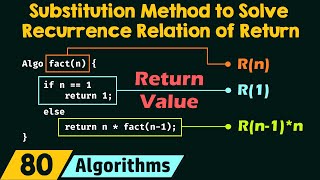
Substitution Method for Solving Recurrence Relations in Algorithms
Master the substitution method for solving recurrence relations, focusing on return value analysis and practical problem-solving techniques in algorithmic complexity.

Building Scalable AI Infrastructure with KubeRay and Kubernetes
Master scalable AI infrastructure deployment using KubeRay and Kubernetes, covering gang scheduling, distributed checkpointing, and integration with cloud providers for efficient AI workload management.
Building and Sharing .NET CLI Tools - A Guide to Command Line Craftsmanship
Master the art of building CLI tools in .NET, from designing user-friendly interfaces with Spectre to publishing on NuGet. Learn command options, documentation best practices, and distribution techniques.
Orchestration vs. Choreography: The Good, the Bad, and the Trade-offs
Explore microservice coordination patterns through practical banking examples, learning to choose between orchestration and choreography for optimal system design and interservice communication.