Machine Learning Without the Hype
Explore AI, machine learning, and deep learning concepts, comparing rule-based and ML approaches for time-series data. Learn supervised vs unsupervised learning with practical examples and best practices.
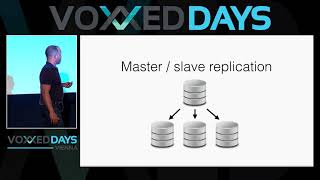
Embracing Database Diversity with Kafka and Debezium
Modernize legacy systems using Event Sourcing: Capture data with Debezium, process with Kafka Streams, and store in diverse databases for flexible, context-specific data access and improved scalability.
Real-World Serverless - Going Lambda Without Being Burned Too Much
Explore advanced serverless architectures, patterns, and best practices for AWS Lambda, covering development, testing, debugging, monitoring, and security, while addressing common misconceptions.

Patience Pays Off - How Long Running Services Reduce Complexity
Explore patterns for long-running services that reduce system complexity by handling failures gracefully, allowing for asynchronous responses and extended problem-solving timeframes.

Learning to Fall
Discover strategies for building resilient microservices, focusing on graceful failure handling and robust system design. Learn from real-world experiences and explore useful patterns for improved reliability.
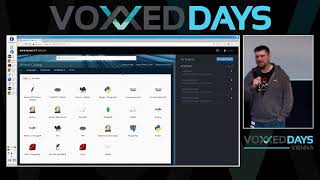
Blue-Green Deployments, A/B Testing, and Canary Releases on Kubernetes
Explore advanced deployment strategies on Kubernetes: blue-green, A/B testing, and canary releases. Learn to set up a Continuous Delivery pipeline for controlled and predictable cloud-native application deployment.
Let's Type - A Practical Introduction to TypeScript for Java Developers
Practical introduction to TypeScript for Java developers, covering its powerful type system, syntax, IDE support, debugging, and migration strategies for existing code.
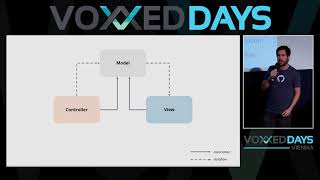
Flux - A Modern Way of Doing MVC
Explore the evolution of UI state management, from MVC to Flux and Redux, understanding key concepts like unidirectional data flow and single source of truth for building complex applications.
Bank to the Future - Bitcoin Meets Hadoop
Explore how blockchain concepts and Hadoop can revolutionize banking, enabling massive transaction processing and data storage using technologies like Apache Kafka, HDFS, Spark, and Accumulo.
Advanced Pipelines for Hypothesis-Driven Development
Explore advanced deployment techniques like smart routers and feature toggles for effective A/B testing, monitoring, and hypothesis-driven development to enhance software releases.

High-Performance Event-Sourced Clustered Microservices with Play! & Akka
Learn to create high-performance, event-sourced microservices using Play! Framework and Akka. Explore project structuring, event sourcing, clustering, and CQRS optimization for tailored read-sides.
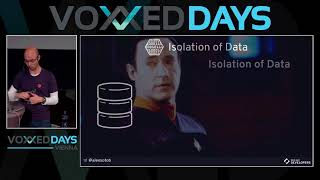
What Monolith Can Learn from Microservices
Discover how to modernize monolithic Java applications by applying microservices principles, including service isolation, reactive approaches, and cloud-native techniques for improved performance and scalability.
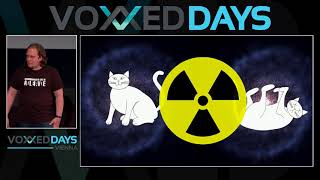
The Quantum Computers Are Coming
Explore quantum computing's evolution, from basic concepts to cutting-edge applications. Learn about quantum mechanics, gates, and real-world use cases using platforms like IBM Quantum Experience.
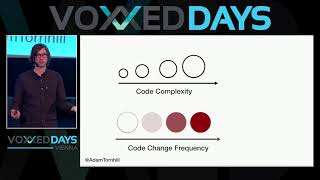
A Crystal Ball to Prioritize Technical Debt
Uncover problematic code and team dynamics using software evolution techniques and psychology. Prioritize improvements, detect organizational issues, and make data-driven decisions for better software development.
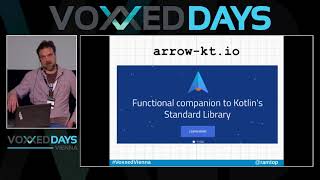
It's All About Morphisms
Gentle introduction to Category Theory for OOP programmers exploring Functional Programming. Explains key concepts with diagrams, metaphors, and code examples in Java and Kotlin, comparing to classical OOP approach.
Kotlin EE - Boost Your Productivity
Discover how Kotlin and Java EE combine to create efficient microservices. Learn to write, build, test, deploy, and scale services quickly using Docker, focusing on business logic and productivity.
Fallacies of Doom - Lessons Learned from Porting Doom 3 to Java
Explore insights gained from porting Doom 3 to Java, comparing language features, and uncovering unexpected lessons about Java's strengths and limitations in game development.
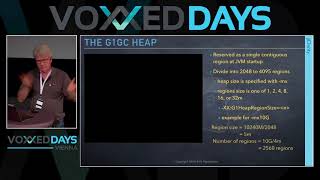
Moving to G1GC - An Experience Report
Exploring real-world experiences of transitioning from CMS to G1GC in Java, including performance implications, potential challenges, and optimization strategies for reduced operating costs.

Move Slow and Mend Things
Challenging software development speed obsession, emphasizing sustainable pace, quality, and responsibility. Explores misconceptions about velocity, sprints, and full-stack development to promote thoughtful, effective practices.
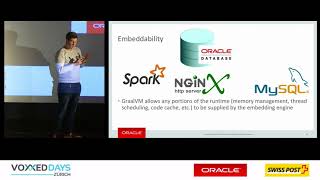
Graal - High-Performance Polyglot Runtime
Explore Graal, a high-performance polyglot runtime that enables seamless language interoperability and world-class performance for Java, JavaScript, Ruby, R, and more, with integrated compilation and execution infrastructure.
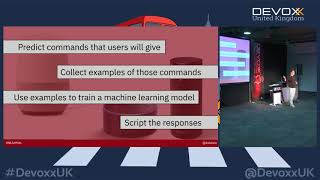
Teaching Kids About Machine Learning
Explore hands-on approaches to introduce machine learning to children, using cloud-based APIs and interactive resources for an engaging and inspiring educational experience.