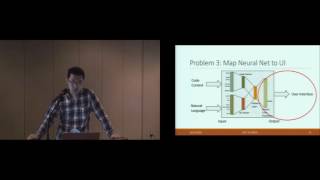
CodeMend - Assisting Interactive Programming with Bimodal Embedding
Innovative system using bimodal embedding to assist programmers in finding and integrating code solutions, bridging the gap between natural language queries and relevant API functions.

Stretchis - Fabricating Highly Stretchable User Interfaces
Innovative fabrication method for creating highly stretchable interfaces with embedded sensors and displays, enabling non-experts to add interaction to elastic objects, shape-changing surfaces, fabrics, and skin.

The Poetics of Socio-Technical Space - Evaluating the Internet of Things Through Craft
Exploring craftspeople's relationships with tools and workspaces to inform IoT design, emphasizing human agency, flexibility, and material consequences in socio-technical arrangements.
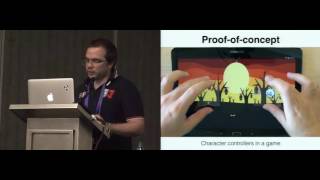
TouchTokens - Guiding Touch Patterns with Passive Tokens
Innovative approach to combine tangible and gestural input using passive tokens on multi-touch surfaces, enhancing interface design with high-accuracy touch pattern recognition.
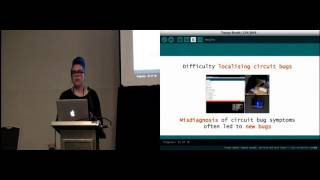
Crossed Wires - Investigating the Problems of End-User Developers in a Physical Computing Task
Investigates challenges faced by end-users in physical computing tasks, focusing on circuit construction and programming issues when connecting sensors to microcontrollers. Highlights the need for better support tools.

Human Crowds and AI
Exploring the intersection of human crowds and AI, featuring insights on social technology, interactive intelligent systems, and collaborative platforms from industry leaders and researchers.
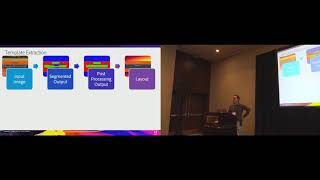
Exemplar Based Experience Transfer
Automatic approach to transfer user content into example banners, using semantic segmentation and energy-based optimization for optimal layout design.

Prediction of Music Pairwise Preferences from Facial Expressions
Innovative approach to predict music preferences using facial expressions, outperforming traditional methods. Explores personality influences and adapts models accordingly, balancing accuracy with privacy considerations.
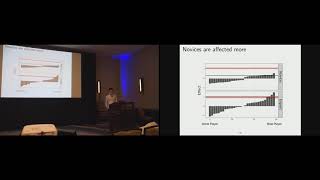
What Can AI Do for Me - Evaluating Machine Learning Interpretations in Cooperative Play
Evaluating machine learning interpretations in cooperative play, focusing on improving human performance through AI assistance in a question-answering task. Explores different interpretation methods and their impact.
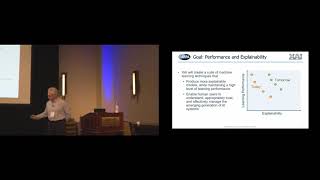
DARPA's Explainable Artificial Intelligence - XAI Program
Explore DARPA's Explainable AI program, its goals, strategies, and applications in machine learning, autonomy, and deep learning. Gain insights into the future of transparent AI systems.
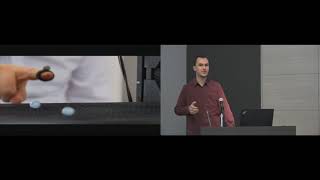
LeviCursor - Dexterous Interaction with a Levitating Object
Innovative method for controlling levitating particles in 3D with high precision and agility, enabling smooth movement and interactive applications. Includes optimization techniques and user study results.
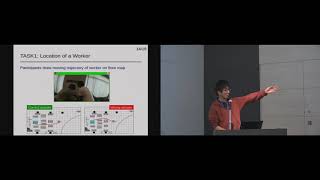
Browsing Group First-Person Videos with 3D Visualization
Innovative 3D visualization interface for analyzing group activities from first-person videos, enhancing understanding of spatial relationships and collaborative dynamics in complex workspaces.
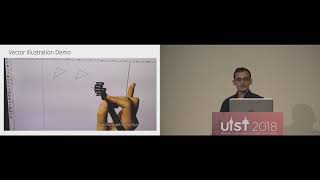
Unimanual Pen+Touch Input Using Variations of Precision Grip Postures
Explore innovative pen input techniques using precision grip postures for enhanced unimanual interaction in touch-based interfaces, with applications in document annotation and vector drawing.
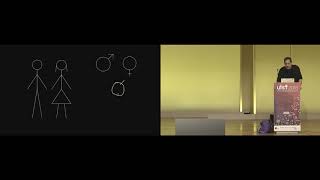
The Future Evolution of Language
Exploring mixed reality's potential to revolutionize communication through interactive visualizations, potentially evolving language itself and enhancing human interaction in unprecedented ways.

The Material for the 21st Century
Exploring self-sustainable computing through computational materials, proposing a vision for post-Moore's Law era and inspiring new research across disciplines.

Blended Agents - Manipulation of Physical Objects within Mixed Reality Environments and Beyond
Explores blended agents in mixed reality, combining virtual and physical interactions through robotic actuators and thermochromic ink, examining their impact on perceived presence and user experience.
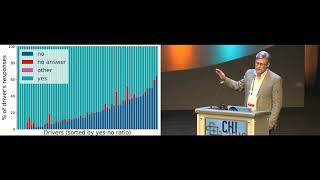
Is Now A Good Time? An Empirical Study of Vehicle-Driver Communication Timing
Empirical study on optimal timing for vehicle-driver communication, analyzing responses and automotive data to improve safety and user satisfaction in smart driving assistants and infotainment systems.
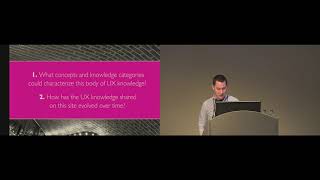
A Practice-Led Account of the Conceptual Evolution of UX Knowledge
Análisis de la evolución conceptual del conocimiento UX a través de Stack Exchange, utilizando procesamiento de lenguaje natural y análisis cualitativo para identificar vocabulario y trayectorias disciplinarias en 9 años.
Social Media as a Passive Sensor in Longitudinal Studies of Human Behavior and Wellbeing
Explore social media as a passive sensor for studying human behavior and wellbeing in longitudinal research, examining data collection methods, challenges, and implications for HCI studies.
Will You Accept an Imperfect AI? Exploring Designs for Adjusting End-user Expectations of AI-powered Systems
Explore strategies for adjusting user expectations of AI systems, focusing on a Scheduling Assistant case study to improve acceptance of imperfect AI technologies.
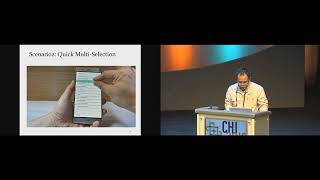
PinchList - Leveraging Pinch Gestures for Hierarchical List Navigation on Smartphones
Innovative smartphone interaction design using pinch gestures for efficient navigation of hierarchical lists, demonstrating faster access to multi-level items compared to traditional interfaces.