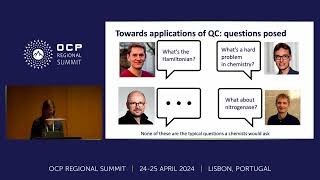
Quantum Computing for Life Science Simulations and Optimizations
Explore how quantum computing can revolutionize life science research through innovative approaches to problem-solving, accessibility, and cross-disciplinary collaboration.
Deep Learning for Protein Structure Prediction
Explore deep learning techniques for predicting protein structures, from traditional methods to AlphaFold's advancements. Gain insights into molecular dynamics, homology modeling, and cutting-edge AI approaches in structural biology.
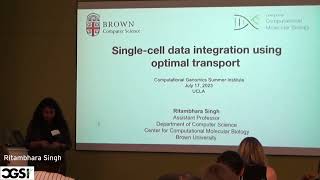
Single Cell Data Integration Using Optimal Transport - 2023
Explore single-cell data integration using optimal transport. Learn unsupervised algorithms for multi-omic studies, alignment techniques, and performance quantification in computational genomics.
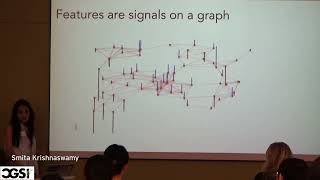
Graph and Algebraic Signal Processing Basics for Computational Biology
Explore graph and algebraic signal processing fundamentals for computational biology, covering key concepts, challenges, and applications in genomic data analysis.

Why is This So Hard? It Should Be Easy - Challenges in Computational Genomics
Explore challenges in computational genomics and learn strategies to overcome complexities in data analysis and interpretation.
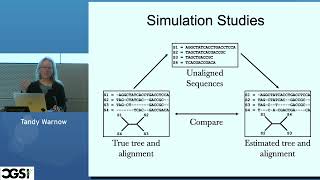
Advances in Large-Scale Multiple Sequence Alignment
Explore cutting-edge techniques in large-scale multiple sequence alignment, focusing on graph clustering, weighted consensus HMM, and phylogeny-aware methods for improved bioinformatics analysis.
Applications of K-mers in Computational Genomics - CGSI 2024
Explore applications of k-mers in computational genomics, focusing on efficient data structures and algorithms for large-scale sequence analysis and comparison.
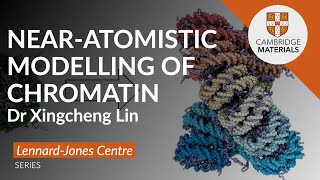
Near-atomistic Modeling of Chromatin - Insights into Structure and Dynamics
Explore near-atomistic modeling of chromatin structure, folding pathways, and sol-gel transitions. Gain insights into genome organization and chromatin behavior under various conditions.
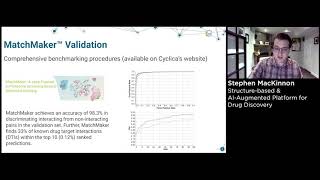
PolypharmDB: Quickly Identifying Repurposed Drug Candidates for COVID-19
Explore PolypharmDB, a deep learning-based resource for identifying repurposed drug candidates for COVID-19. Learn about accelerated drug discovery methods using existing clinical data.
Sequence Data - Part 2
Explore advanced techniques for analyzing and interpreting sequence data, enhancing your bioinformatics skills and research capabilities.
Sequence Data - Part 1
Explore fundamental concepts and techniques for analyzing sequence data in bioinformatics, focusing on DNA and protein sequences.
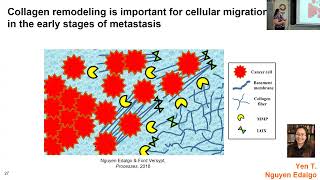
Agent-Based Modeling of Cancer Cell Migration in Response to Tumor Microenvironmental Signals
Explore computational modeling techniques for simulating cancer cell migration and interactions within tumor microenvironments, enhancing understanding of disease progression.

Deciphering the Mysteries of Human Genomes
Explore the intersection of biology, technology, and medicine in rare genetic disease research. Discover how Python aids in unraveling genomic mysteries and advancing healthcare.
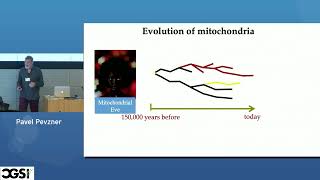
Uni-alignment: A Parameter-free Framework for Fast and Accurate Sequence Alignment
Discover a parameter-free framework for fast sequence alignment through UniAligner, exploring innovative approaches to computational genomics and bioinformatics analysis.
Constraints on Tumor Development
Explore genetic intra-tumor heterogeneity and evolutionary patterns across thousands of cancer genomes, examining key constraints in tumor development and progression.
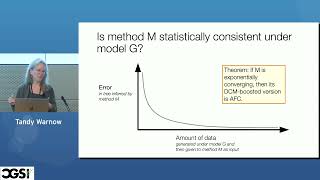
Phylogenomic Tree Estimation Tutorial - CGSI 2024
Discover advanced techniques for phylogenomic tree estimation, including ASTRAL, DISCO, and QR-STAR methodologies for species tree inference and branch length estimation in computational genomics.
Introduction to mRNA Design - CGSI 2024
Discover the fundamentals of mRNA design through computational approaches, exploring optimization algorithms, stability analysis, and practical applications in modern biotechnology and vaccine development.
Spatial Modeling of Single-Cell Data Using Deep Learning
Explore deep learning approaches for spatial modeling of single-cell data, focusing on Hi-C reads imputation and transcriptomic data prediction through graph-based methodologies.
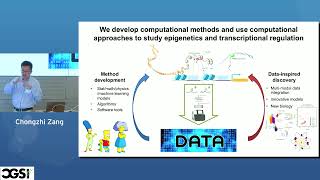
Epigenomics Data Analysis - A Tutorial
Master essential techniques for analyzing epigenomics data, including ChIP-Seq analysis, histone modification clustering, and transcriptome integration methods for genomic research.
Promises and Pitfalls of Scaling in Population Genetic Simulations
Explore the complexities of population genetic simulations, focusing on scaling methodologies, their potential benefits, and inherent limitations in computational genomics research.
Variational Inference for Fun and Profit
Discover the fundamentals of variational inference in statistical analysis, exploring Bayesian techniques, SuSiE PCA methodology, and practical applications in computational genomics and regression modeling.