Delete Yourself - Cognitive Bias During Incident Response
Explore cognitive biases in incident response, learn effective strategies for handling security investigations, and understand the importance of flexible response plans and accurate log interpretation.
Battling Your Biased Brain
Explore cognitive biases and their impact on decision-making, learning strategies to overcome mental pitfalls and enhance critical thinking skills.
On How Your Brain is Conspiring Against You Making Good Software
Explore cognitive biases affecting software development, from planning to team dynamics, and learn strategies to overcome these mental hurdles for improved productivity and decision-making.
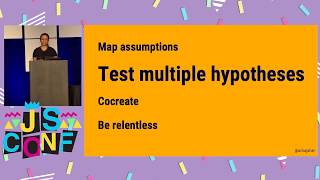
Empathy is Not Enough - The Power of Engaging Hard-to-Reach Users
Discover strategies for engaging hard-to-reach users, challenging assumptions, and creating inclusive tech solutions through real-world project insights and practical techniques.
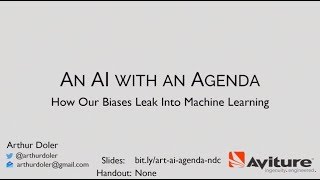
An AI with an Agenda - How Our Cognitive Biases Leak Into Machine Learning
Explores how human cognitive biases can infiltrate AI and machine learning models, offering strategies to mitigate these issues and create more objective, ethical algorithms.
Cognitive Biases in Software Development
Explore common cognitive biases in software development teams and learn strategies to overcome misconceptions, improving problem-solving and decision-making processes.
Cognitive Biases in Software Development
Explore common cognitive biases in software development teams and learn strategies to overcome misconceptions, improving problem-solving and decision-making processes.
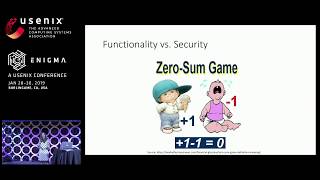
Why Even Experienced and Highly Intelligent Developers Introduce API Vulnerabilities
Explores why experienced developers introduce vulnerabilities through API misuse, examining cognitive factors and personality traits affecting code security detection abilities.
The Counterintuitive Psychology of Insurance
Explore the psychological motivations behind insurance purchases, revealing how "magical thinking" influences our decision-making and risk perception beyond financial considerations.

Are We in Control of Our Decisions?
Behavioral economist Dan Ariely explores the irrational nature of human decision-making through visual illusions and research findings, challenging our assumptions about rational choices.
Farley's Laws
Explore cognitive biases and their impact on software development, challenging assumptions about rationality and expert wisdom to improve decision-making and problem-solving skills.
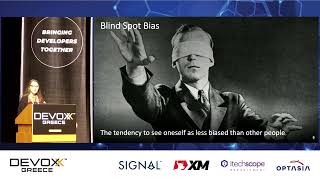
Cognitive UX - Using Cognitive Science and Psychology to Drive UX Design
Explore cognitive science principles to create effective UX designs, leveraging mental shortcuts and addressing biases for improved user experiences and emotional connections.

The Philosophy of Architecture
Explore the philosophical underpinnings of software architecture, challenging conventional wisdom and examining why we think and disagree about architectural approaches.

The Hidden Illusion Behind Our Decisions | Nitesh Prasad | TEDxNicmar
The Hidden Illusion Behind Our Decisions: We believe we are in control of our choices - our career, our studies, our job switches, our certifications, even our failures. But are we really deciding… or are we simply reacting to pressure, trends, fear and social expectations? In this talk, The Hidden

Why Do We Hesitate to Take Risks? | Dan Ariely | TEDxHM
Behavioral economist Dan Ariely, the author of Predictably Irrational, argues that in many areas of our lives we are too apprehensive of downside consequences and therefore don't take enough risks. After making this point, he suggests a few ways that could help us integrate more risk so that we can

The Quiet Transactions Of Everyday Life | Ehan Haris | TEDxMerryland Intl School Youth
A look at how incentives quietly shape everyday choices, from procrastination to social media, and why behavior often makes sense once the system behind it is understood. A student with strong interest in technology, systems and how digital design influences human behaviour This talk was given at a

Sağlıklı Şüphecilik / Healthy Skepticism | Ezgi Emel | TEDxBeşiktaş Atatürk Anatolian HS
Şüphe etmek neden bu kadar korkutucu hale geldi? Her söylenene inanmak özgürlük mü, teslimiyet mi? “Komplo teorisi” gerçekten bir açıklama mı, yoksa bir susturma aracı mı? Her komplo iddiası saçma mıdır, yoksa her biri ayrı ayrı mı incelenmeli? Resmî açıklamalar neden varsayılan olarak doğru kabul e

Czy możliwy jest świat bez teorii spiskowych? | Agnieszka Turska-Kawa | TEDxKatowice
W obliczu chaosu i braku satysfakcjonujących wyjaśnień wiele osób sięga po teorie spiskowe, które dają poczucie porządku i bezpieczeństwa. Narracje te sugerują istnienie ukrytych sił sterujących światem, oferując proste odpowiedzi na trudne pytania. Dzięki temu łagodzą lęk i dają złudne uspokojenie.