
AI & ML in Cyber Security - Why Algorithms Are Dangerous
Explore limitations of machine learning in cybersecurity, dangers of blind algorithm application, and alternative approaches like probabilistic inference for more effective threat detection and analysis.
JavaScript for Science
Exploring the intersection of JavaScript and scientific research, highlighting challenges in scientific software development and proposing solutions for better collaboration between developers and scientists.
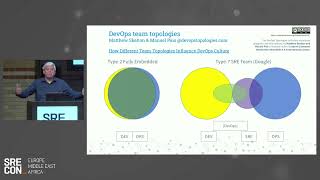
The Biases Confronting SREs
Explore biases in SRE, their impact on organizations, and strategies for mitigation. Learn to identify, discuss, and address cognitive biases and stereotypes to improve workplace equity and SRE integration.
Designing Theory-Driven User-Centric Explainable AI
Explore a framework for human-centered, decision-theory-driven explainable AI, bridging algorithm-generated explanations with human decision-making theories in high-stakes applications like healthcare and criminal justice.

Elevating the Business Impact of Design
Stephen Gates shares insights on elevating design's business impact, addressing challenges faced by creatives, and building world-class design organizations. Learn strategies to overcome biases, foster creativity, and leverage your unique strengths.
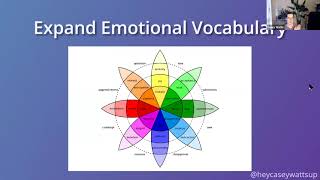
Debugging Your Brain
Learn techniques to optimize your thought processes, manage cognitive biases, and improve problem-solving skills for enhanced mental performance and well-being.

The Art of Intentional Decision Making
Explore cognitive biases and decision-making frameworks to elevate your choices, bringing intentionality to both daily and life-altering decisions.

How a Magician Fools Your Brain by Knowing Your Weaknesses
Explore the psychology and neuroscience behind magic tricks, revealing how magicians exploit our brain's vulnerabilities to create illusions and amazement.

Why We Do What We Do - Brain Features, Flaws, and Fixes
Explore brain features, flaws, and fixes with psychologist Helena Boschi. Gain insights into human behavior, cognitive biases, and practical tips for enhancing brain power and psychological well-being in modern life.
Imposter Syndrome and Individual Competence
Explore Impostor Syndrome and Dunning-Kruger effect in software development, their impact on skill estimation, and strategies for coping with these cognitive biases.
Your Brain on Software Development
Explore how cognitive biases and psychological heuristics impact software development decisions, and learn strategies to overcome these mental pitfalls for better design and architecture.
How Cognitive Biases Affect Our Software Architectures
Explore how cognitive biases impact software architecture decisions and learn strategies to mitigate their effects for more effective agile development and decision-making.

The Psychology of UX
Explore the psychology behind UX design, cognitive biases, and digital decision-making. Learn how to influence choices through environmental interventions and understand the ethical implications of user experience manipulation.
It Takes a Village - Effective Collaboration in Security
Explore effective collaboration in security through understanding behavior, improving communication, and making objective decisions to prevent workplace mistakes and build stronger relationships.

The Optimism Bias
Explore the fascinating science behind our brain's tendency to be optimistic and its impact on our lives, including both benefits and potential dangers.

[VDT19] Cognitive UX Using cognitive science and psychology to drive UX design by Emilia Ciardi [IT]
Esplora come le scorciatoie mentali e i bias cognitivi influenzano la progettazione UX, applicando principi di psicologia e scienze cognitive per creare esperienze utente più efficaci.
Let's Make It Easy
Explore strategies for simplifying work processes, challenging management practices, and fostering a culture of continuous improvement to enhance productivity and human interaction in the workplace.
Leveraging Our Brains in Software Development
Explore psychological biases in software development, discussing their impact on teamwork, project management, and problem-solving. Learn strategies to overcome cognitive challenges and improve collaboration.

It's a Noisy World Out There
Explore cognitive biases, noise in decision-making, and strategies to improve judgment. Learn about research findings, algorithmic approaches, and practical tips for reducing errors in various contexts.
Why Doesn't Common Sense Make Sense?
Explore cognitive biases, decision-making processes, and strategies for more rational choices in daily work, challenging assumptions about human rationality and common sense.
Cognitive Injection - Reprogramming the Situation-Oriented Human OS - Andy Ellis
Explore cognitive biases, decision-making, and risk management to improve security awareness and human behavior in various situations.