Migrate to Innovate: Be AI-Ready, Secure and Optimize Operations
Practical guidance on migrating to Azure, enhancing security, and optimizing cloud operations. Learn how Azure migration can accelerate AI impact and improve organizational efficiency.

Radius: A New Open-Source Application Platform for the Cloud
Discover Radius, Microsoft's open-source cloud-native application platform enabling collaboration between developers and platform engineers for efficient, secure, and cost-effective cloud deployments across multiple providers.
Develop in the Cloud with Dev Box and Azure Deployment Environments
Explore cloud-based development using Microsoft Dev Box and Azure Deployment Environments. Learn to streamline provisioning, boost productivity, and enhance security while maintaining centralized governance.
Unveiling the Vulnerabilities: Hacking Cloud Native Apps and Discovering the Silver Lining
Explore cloud-native app vulnerabilities, including OAuth, storage services, and API-based microservices. Learn to identify, exploit, and mitigate risks through penetration testing and automated tools.
Infrastructure as Remote Code Execution: How to Abuse Terraform to Elevate Access
Explore security risks in Terraform, including privilege escalation and data exfiltration. Live demos showcase attack scenarios and provide recommendations for securing implementations.
A Wind of Change for Threat Detection
Explore advanced cloud native security threat detection using eBPF and Falco, focusing on innovative approaches to create high-value kernel signals and leverage data analytics for behavior-based detection.
Confidential Computing - Why It Has to Be Cloud and Open
Explore Confidential Computing's role in enhancing data security, reducing supply chains, and protecting sensitive applications. Learn about its implementation across major cloud platforms and the importance of open-source development.
Falco and Atomic Red Team - Real-Time Threat Detection in Cloud Native Systems
Explore real-time threat detection in cloud-native systems using Falco and Atomic Red Team. Learn effective strategies for enhancing security and identifying potential vulnerabilities in modern infrastructures.
Clean Up on Aisle Cloud - Leveraging Compliance-as-Code for Cloud Security
Leveraging compliance-as-code and open-source tools like Cloud Custodian to address security misconfigurations and ensure compliance in public cloud environments for large enterprises.
Securing Multi-Cluster Cassandra and GenAI Deployments
Explore top cloud threats, risk detection strategies, and best practices for securing Cassandra and GenAI deployments. Includes practical demonstrations on live clusters and AI applications.
Multi-Region, Multi-Primary, and Eventually Consistent Database Systems
Explore a clever implementation of multi-region, multi-primary databases with eventual consistency using service mesh and open policy agent. Learn benefits for financial trading and auctions.
Dynamic and Context-Aware Security Policies for the Cloud Using Service Mesh
Explore dynamic cloud security policies using service mesh, leveraging context-aware data and AI for fine-grained authorization, NIST control enforcement, and sensitive data access management.

Developers Are Taking Security Seriously - Evolution in Cloud-Native Security
Explore the evolution of security in cloud-native environments with insights from Linux Foundation's Director of Open Source Supply Chain Security.
Advancements in Confidential Computing
Explore SUSE's advancements in Confidential Computing, focusing on protecting data in use through isolated, encrypted environments for secure application processing across core, cloud, and edge.
WASM and Confidential Computing - Securing FaaS Functions
Explore a zero-trust Serverless platform using Knative, WebAssembly, and Trusted Execution Environment to enhance security for sensitive cloud-based applications and data processing.
Better Protect Sensitive Data in the Cloud with Client-Side Application Layer Encryption
Learn to implement client-side application layer encryption for enhanced data protection in cloud environments, reducing breach risks and maintaining control over sensitive information.
Modern Software Development Pipeline - A Security Reference Architecture
Explore a reference architecture for embedding security controls in modern software development pipelines, addressing threats without compromising delivery velocity.
Confidential Containers: Why, How, and Where Are We?
Explore Confidential Computing's role in enhancing cloud data security. Learn how Confidential Containers democratize this technology, enabling seamless deployment of sensitive workloads with minimal changes.
The Art of Letting Go: Secure Delegation of Permissions in AWS Environments
Explore secure delegation of AWS permissions using SCPs, IAM boundaries, and policies. Learn to empower engineering teams while maintaining security through automated compliance and remediation.
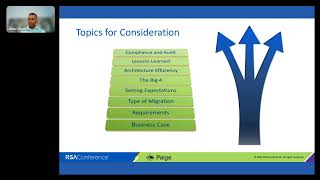
Risk Management for Migration into Public Cloud Providers
Strategies for balancing cloud benefits with compliance needs during migration. Proven patterns for cloud adoption and industry certification, applicable to both new and existing cloud users.
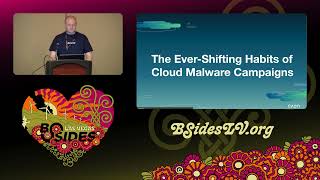
The Ever-Shifting Habits of Cloud-Focused Malware Campaigns
Explore evolving cloud-focused malware campaigns, their diverse objectives beyond cryptojacking, and cloud-specific TTPs. Gain insights into recent trends and the use of cloud services in supporting malware attacks.