The Fingerprint of Environmental Change in the Aeolian Sedimentary Record
Explore how aeolian sedimentary systems record environmental changes, using field, remote-sensing, and modeling approaches to reconstruct past desert environments and predict future responses to climate change.
Advent of the Anthropocene Epoch - Quantifying Drivers and Impacts Since 1950 CE
Explores the Anthropocene epoch's onset around 1950, examining human energy consumption, population growth, and their profound impacts on Earth's systems and stratigraphic record.
Teaching Glaciers and Glaciation with AntarcticGlaciers.org - Resources for High School and College Educators
Explore AntarcticGlaciers.org, a comprehensive resource for teaching glaciers and glaciation. Learn how to utilize its content, case studies, and activities to enhance your lessons for high school and college students.

Ecosystem Jenga - What Tiny Fossils Tell Us About a Massive Extinction
Explore the dinosaur extinction debate through microfossil research in Saskatchewan, examining the role of the bolide impact and its implications for understanding modern climate change.
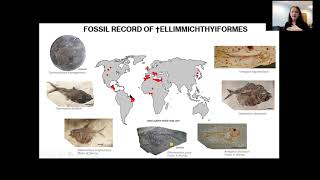
The Fossil Record and Evolution of the Modern Herring - An Evolutionary Success Story
Explore the 130-million-year journey of herrings and related species, from their origins to becoming one of today's most abundant fish groups, surviving extinctions and climate changes.

The North Remembers - Ice Age Fossil Finds from Medicine Hat, Alberta
Explore Alberta's Ice Age fossils, including Canada's only Smilodon fatalis specimen, and discover the rich Pleistocene record beyond dinosaurs in this fascinating paleontological journey.
What Does the Sedimentary Record Tell Us About the Future of Rivers?
Explore how river sedimentary facies serve as proxies for past precipitation patterns, offering insights into future climate-driven changes in river systems.
The Potential of Fluvial Carbonates as Archives of Climate and Environmental Conditions
Exploring fluvial carbonates as sensitive indicators of past climate and environmental conditions, comparing present and past records from various basins to uncover high-resolution multiproxy data.
Paleotempestology - Using Sedimentary Deposits to Reconstruct Storm Impacts over Millennial Timescale
Explore paleotempestology: learn how sedimentary deposits reveal long-term storm impacts and climate patterns, offering insights beyond short-term instrumental records.
Reef Carbonate Production and Measuring Reef-Derived Sediment Generation Rates
Explore recent research on coral reef carbonate production, ecological impacts on reef growth, and challenges in quantifying sediment generation rates for reef-building and coastal environments.
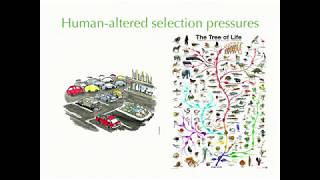
Evolution in a Rapidly Changing World - Human Impact on Evolutionary Trajectories
Explore how human activity is altering the evolutionary trajectory of life on Earth, with insights from Dr. Sarah Otto of the University of British Columbia.

The Warm Fuzzies - Mammals and Climate Change in the Eocene of North America
Explore mammalian evolution and climate change during North America's Eocene epoch, examining fossil evidence and environmental impacts on species development and adaptation.
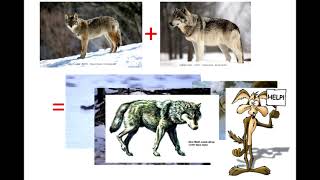
The End of the Ice Age - Ecology, Functional Morphology, and Megafaunal Response to a Changing World
Explore megafaunal ecology and morphology during the Ice Age's end, examining how changing environments impacted prehistoric species and their adaptations.
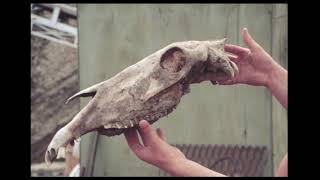
Extinction of Mainland and Island Mammoth Populations in Alaska 6,000 Years Ago
Explore new research on mammoth extinctions in Arctic North America, including the final demise of a population on St. Paul Island, Alaska, 6000 years ago.
Engineering with Nature for Climate Adaptation
Explore innovative strategies for climate adaptation using nature-based solutions, emphasizing sustainable engineering practices to enhance resilience and mitigate environmental challenges.
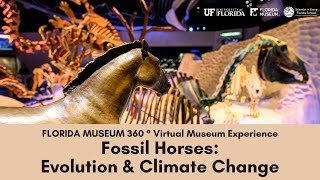
Fossil Horses - Evolution and Climate Change Through Florida's Geological History
Explore Florida's fossil horse history through geological epochs, learning how scientists study paleoclimates using fossils in this virtual museum tour with expert paleontologists.
Rainforests of the Sea - The Importance of Coral Reef Ecosystems
Explore coral reef ecosystems, their biology, and vital importance. Learn about threats to reefs and conservation efforts by the Coral Restoration Foundation to protect these underwater rainforests and their crucial services.
Thanksgiving Bounty: The Importance of Produce - Virtual Field Trip
Discover the importance of produce, its benefits for the planet, and ways to source your own food in this interactive virtual exploration of gardens and food production.
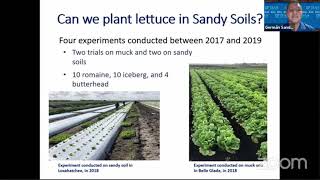
Climate Conscious Chats - Food Production and Climate Change Impact
Explore the impact of climate change on food supply, production, and livestock, and learn sustainable practices for future food security.
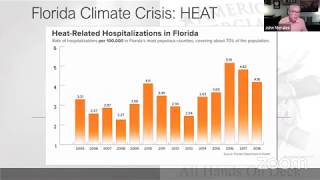
What to Expect When You're Expecting Climate Change
Award-winning meteorologist John Morales explores climate change impacts on Florida, offering insights into future environmental challenges and their implications for residents.
Exploring Plant-Soil Interactions and Climate Impact
Innovative multiscale modeling approach examines plant-soil interactions, integrating imaging methods and experimental data to understand rhizosphere influence, nutrient uptake, and climate change impacts on soil ecosystems.