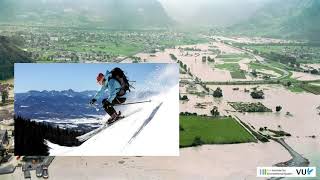
Gilbert F. White Distinguished Lecture on Natural Hazards and Disaster Risks
Prestigious annual lecture honoring contributions to natural hazards and disaster risk research, emphasizing holistic approaches integrating physical, social, and biological systems.
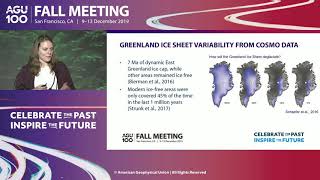
Young Scientists' Views on the Future of Earth Sciences - Lightning Talks IV
Young scientists discuss Earth science's future challenges, innovations, and opportunities, exploring interdisciplinary approaches and funding for underrepresented groups to secure a habitable planet.
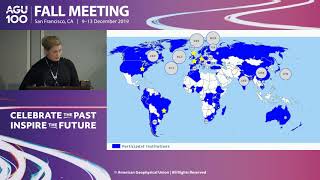
Emotional Well-Being and Career Stress in Earth Science - Support for the Next Centennial
Exploring strategies to support earth scientists' emotional well-being, career stress management, and recognition beyond publications while addressing climate change challenges and public engagement.
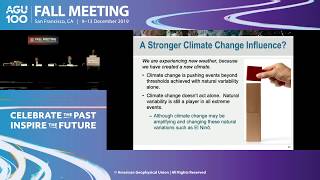
Explaining Extreme Weather Events of 2018 from a Climate Perspective
Experts analyze 25+ extreme weather events from 2018, examining climate change's role in hurricanes, wildfires, droughts, and heatwaves across the globe. Insights on anthropogenic influences and natural variability.
A Nuclear Legacy Buried in the Ice - Radioactive Fallout in Glaciers
Exploring radioactive fallout in glaciers, its potential environmental impact, and the implications of climate change on releasing these contaminants into ecosystems.
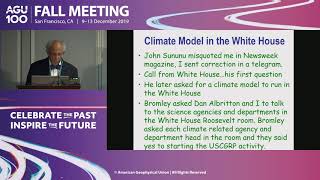
WCRP: Progress in Earth System Climate Science and Predictions
Showcases USGCRP contributions to Earth system climate science, highlighting research milestones, predictability advancements, and model development. Includes agency presentations and community discussions on priorities.
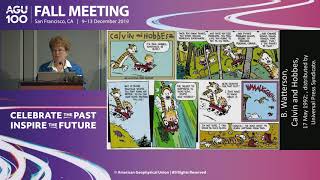
Environmental Science Serving or Failing Society - Strategies for Rapid Progress on Climate Solutions
Examining environmental science's role in addressing climate change, exploring strategies to accelerate societal action through improved research, communication, and policy implementation.
Climate Change and El Niño: Predicting Future Effects - Workshop
Experts discuss global warming's impact on El Niño and tropical oceans, using modern and ancient climate evidence to predict future effects on vulnerable communities and ecosystems.
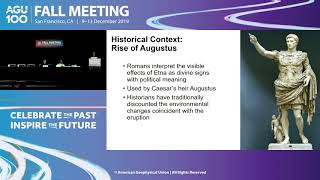
Etna Eruption's Global Impact and Influence on Roman History - 44 BCE
Explore new evidence linking Mt. Etna's eruption to global effects in 44 BCE and uncover the mysterious fate of Santorini's residents after a catastrophic eruption 3,500 years ago.
Future Water: Challenges and Innovations in Hydrology - Lightning Talks II
Explore the future of water through expert perspectives on global consumption, groundwater, ecohydrology, management approaches, and advanced hydrologic modeling. Gain insights into adapting water science for evolving cycles.
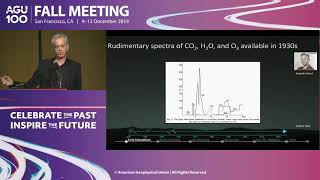
Tyndall History of Global Environmental Change Lecture
Explore the historical perspective on global environmental change, honoring John Tyndall's groundbreaking work on the greenhouse effect in this annual lecture by AGU.
Fighting Climate Change with Blockchain and Open Source
Explore innovative approaches to combat climate change using blockchain technology and open-source solutions, presented by Si Chen from Open Source Strategies, Inc.
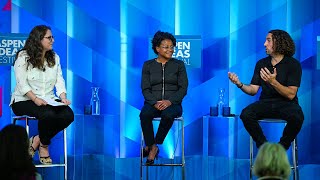
What to Eat in a Warming World - Deep Dive
Exploring sustainable food production: vegan fine dining and innovative air-based protein technologies. Chefs and entrepreneurs discuss transforming the culinary landscape to address climate change and ensure food security.
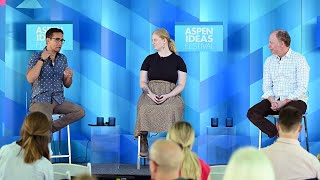
Climate Change and You - Personal Impact and Coping Strategies
Explore personal impacts of climate change, combat eco-anxiety, and discover effective ways to address the crisis with insights from leading experts in psychology and science communication.
A Recipe for Fixing Our Broken Food System
Mark Bittman discusses fixing our broken food system, addressing climate change, hunger, and exploitation while promoting affordable, nutritious, and sustainable food for all.
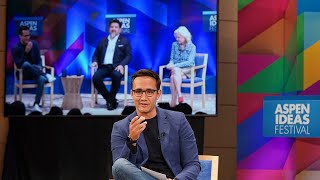
This Land is Your Land - Protecting Wild Spaces for Climate and Conservation
Explore the importance of protecting wild spaces for conservation, climate goals, and human-nature relationships. Experts discuss land preservation strategies and indigenous involvement in ecosystem management.
Road Map to Net Zero - A Comprehensive Plan for Carbon Emission Reduction
Comprehensive blueprint for achieving net-zero carbon emissions through systemic changes, featuring insights from experts on critical actions and real-world examples of successful implementation strategies.
Thirty Years of Climate Change: Lessons and Future Prospects
Explore 30 years of climate change insights, future projections, and the evolving relationship between humans and Earth's climate system. Discuss effective communication, policy challenges, and global energy transitions.
Global Climate Solutions after Paris
Exploring post-Paris climate leadership, examining China's renewable energy surge, India's energy choices, and the impact of US withdrawal on global climate policy and vulnerability reduction.
Resurrecting the Woolly Mammoth and Other Climate Moonshots
Explore unconventional climate solutions, from atmospheric aerosols to resurrecting woolly mammoths, as scientists discuss innovative approaches to combat ecological collapse and preserve Arctic permafrost.

Engine Earth - Christmas Lectures 2020 - Lecture 1
Geologist Chris Jackson explores Earth's climate history, revealing how ancient rocks and fossils tell a story of radical changes and how volcanoes have controlled atmospheric carbon dioxide levels throughout time.