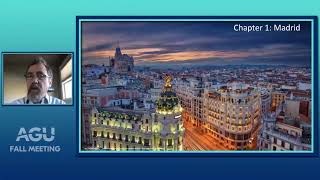
Revisiting the IPCC's "Discernible Human Influence" Finding - History and Lessons Learned
Explores the 1995 IPCC conclusion on human influence on climate, its historical context, subsequent scientific advancements, and personal reflections on lessons learned from this pivotal moment in climate science.
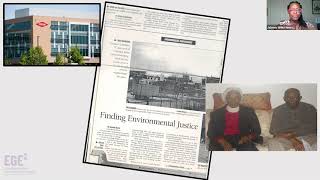
GeoHealth Career Development and Opportunities in Climate Change and Environmental Justice
Dr. White-Newsome discusses transforming communities through people-centered solutions, addressing climate change, public health, environmental justice, and racial equity, with a focus on career development.
COVID-19 and the Earth System
Explore the impacts of COVID-19 mitigation strategies on emissions, the Earth System, and virus dynamics. Learn about research efforts examining these complex interactions.
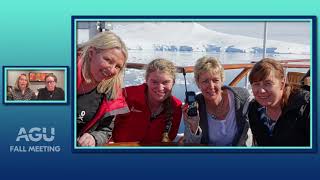
Hearts in the Ice - Climate Change Engagement Project in Spitzbergen
Explore the Hearts in the Ice project, connecting global efforts to address climate change through on-site research in Spitzbergen and engaging diverse stakeholders in Earth science communication.
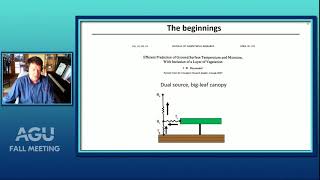
Seeing the Forest for the Trees: Forests, Climate Change, and Our Future
Explores the complex relationship between forests and climate change, tracing historical perspectives and advocating for an interdisciplinary approach to understand and address forest-climate interactions.
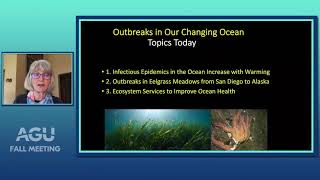
Oceanic Pandemics from Foundation to Keystone Species
Explore oceanic disease outbreaks affecting marine ecosystems, their impact on keystone species, and innovative monitoring techniques. Learn about nature-based solutions for pathogen reduction.
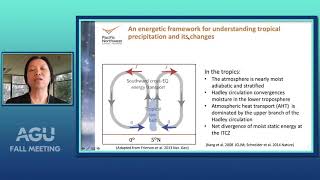
A Quest to Understand and Model Regional Precipitation and Their Future Changes
Explores precipitation from weather and climate perspectives, examining energetic frameworks, aerosol impacts, and extreme events to advance understanding and modeling of regional rainfall patterns and future changes.
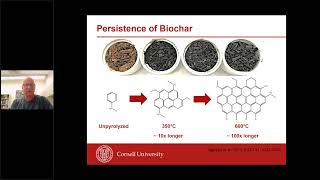
What Are the Soil Carbon Sequestration Potentials of Biochar and Enhanced Weathering?
Explore the potential of biochar and enhanced weathering for soil carbon sequestration, examining their effectiveness, implementation methods, and environmental impacts.
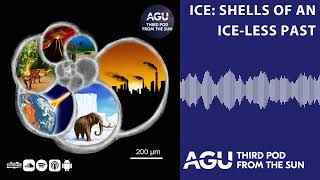
Ice: Shells of an Ice-Less Past - Tracking Climate Change Through Foraminifera Fossils
Explore Earth's ice-free past through fossil evidence, uncovering climate changes and their implications for our future with Smithsonian climate detective Brian Huber.
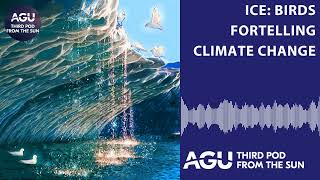
Ice: Birds Foretelling Climate Change
Explore how climate change impacts snow petrels in Antarctica through Indian researcher Anant Pande's work, revealing the delicate balance between melting ice and extreme weather on these unique birds' nesting habits.
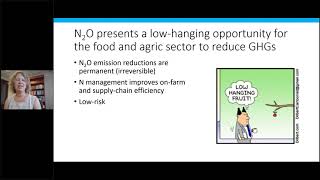
Managing N2O - Quantifying and Reducing Agricultural N2O Emissions at Scale
Explore strategies for quantifying and reducing agricultural N2O emissions, focusing on large-scale accounting and improved water management in the U.S. corn belt.
Taming the Wild Mississippi River Delta - Research Insights
Experts discuss the Mississippi River Delta's rapid changes due to natural and human factors, offering insights into its dynamic nature and the impact of severe storms and climate change.
Explaining Extreme Weather Events of 2020 from a Climate Perspective
Experts analyze climate change's role in 18 extreme weather events from 2020, including droughts, heatwaves, and wildfires, discussing rapid climate attribution methods and their applications.
The Threat from Thwaites - The Retreat of Antarctica's Riskiest Glacier
Experts discuss the rapid retreat of Antarctica's Thwaites Glacier, its potential impact on global sea levels, and the urgency of understanding its weakening process to address future flooding risks in coastal areas.
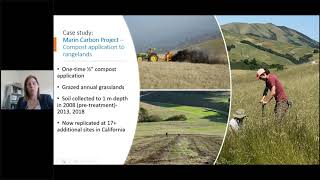
Carbon Sequestration Potential of Organic Amendments in Agriculture - Part 7
Explore case studies on manure and compost amendments' impact on soil carbon sequestration in agricultural ecosystems, featuring insights from UK and US research.
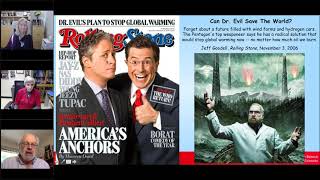
Two Approaches for Mitigating Global Climate Change
Explore two climate change mitigation strategies: stratospheric sulfur geoengineering and state-level carbon footprint reduction, examining their potential benefits, risks, and implementation challenges.
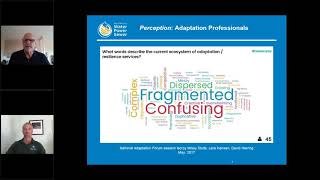
Toward Solution Science: Lessons from a Decade of Climate Scientist-Practitioner Dialog
Explore the journey towards solution-oriented science through a decade-long dialogue between a climate scientist and adaptation practitioner, focusing on making research relevant to societal challenges and decision-making.
Forests Under Megafire in the Pacific Northwest - Climate Change Impact
Explore megafires in the Pacific Northwest, their causes, and future implications with forest scientist Matthew Reilly. Gain insights on forest ecology, historical fire patterns, and climate change impacts.
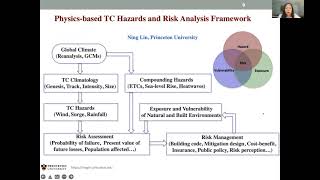
Hurricane Hazards and Risk in a Changing Climate
Explore hurricane hazards and risks in a changing climate, focusing on potential worsening impacts due to coastal development, sea-level rise, and climate change effects on hurricane activity.
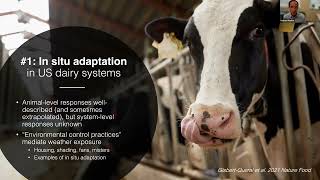
Adapting Agriculture to a Changing Climate: Risks and Adaptation Mechanisms
Explore climate change impacts on agriculture, adaptation strategies, and research on risks to agricultural systems, including dairy sensitivity and hydrologic stress on crop yields.
Climate Scenario Research Priorities: High-End vs. Intermediate-Range Debate
Scientists debate which climate scenarios should be prioritized for research and funding, exploring the pros and cons of focusing on high-end vs. intermediate-range projections to guide climate action and sustainability efforts.