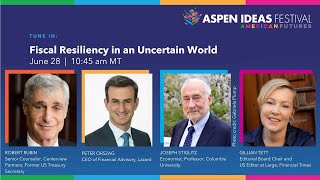
Fiscal Resiliency: Managing US Debt and Economic Growth
Explore innovative debt policies and economic strategies with top US economists, discussing automatic stabilizers, inflation, inequality, labor shortages, and long-term planning for a resilient American economy.

Foundation Presidents' Roundtable - Philanthropy and Democracy with Larry Kramer
Insightful discussion on democracy, polarization, and philanthropy's role in addressing societal challenges, featuring Hewlett Foundation President Larry Kramer's perspectives on governance and civic engagement.
A New Era for Cities - Reimagining Urban Planning for Equity and Sustainability
Explore the future of urban planning in light of COVID and climate crises, focusing on equitable, just, and sustainable design for reimagined cities.
A GeoHealth Perspective on COVID-19
Explore COVID-19's environmental and climate links, its impact on air quality, and implications for health policies. Includes insights on publishing in the GeoHealth journal.

Global Environmental Policy - Sagan Lecture Seminar Series
Explore global environmental governance with Michele Betsill, examining how Earth system observations inform policy actions and the role of diverse actors in addressing climate change.
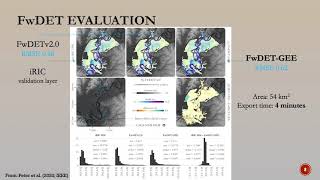
Confounding Major Disasters in 2019-2020
Interdisciplinary analysis of major disasters in 2019-2020, exploring science, early warning systems, mitigation strategies, and socioeconomic impacts of extreme events like COVID-19, bushfires, and floods.
Carbon Negative Technologies: Strategies for Atmospheric CO2 Removal and Storage
Experts discuss carbon dioxide removal strategies to combat global warming, including policy landscape, geologic sequestration, soil carbon storage, and enhanced weathering technologies.
Innovators in Energy: India's Critical Energy Transition and Clean Energy Innovation
Explore India's critical energy transition with Dr. Varun Sivaram. Learn about clean energy innovation, carbon emission reduction, and global energy policies in this engaging discussion on climate change solutions.

Are Energy Jobs the Key to Rebuilding the Economy in a Post-COVID World?
Exploring post-COVID energy landscape: oil's future, clean energy initiatives, carbon pricing, and the potential of energy jobs in economic recovery.
Capitalism at a Crossroads - Forging a Just Future in Uncertain Times
Pioneers discuss reshaping capitalism to address inequality, climate crisis, and political uncertainty, exploring new standards and norms to create more equitable markets and a just future.
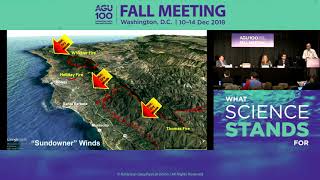
2018 U.S. Wildfire Season: Expert Analysis and Insights
Experts discuss the 2018 U.S. wildfire season, covering smoke, health impacts, climate change, weather forecasting, and post-fire debris flows in this media availability session.
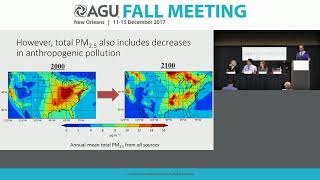
The Costs of Increased Smoke Exposure from Wildfires - Fall Meeting 2017
Researchers discuss financial and health impacts of increased wildfire smoke exposure due to climate change, offering insights for policymakers to prepare for stronger wildfire seasons.
Toxic City Under the Ice: Camp Century's Hidden Legacy in Greenland
Explore the hidden Cold War military base in Greenland's ice sheet, its abandoned toxic waste, and the environmental implications of climate change-induced melting.
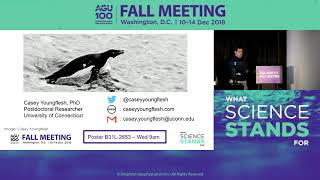
Penguins from Space - New Findings on Antarctic Supercolony
Scientists present new findings on Antarctic penguin supercolony discovered via satellite imagery, including unpublished data on colony age and refined techniques for studying penguins from space.
Examining Societal Impacts of the 2017 Atlantic Hurricane Season - Fall Meeting 2017
Explore the societal impacts of the 2017 Atlantic hurricane season through informatics and engineering perspectives, featuring insights from leading researchers across multiple institutions.
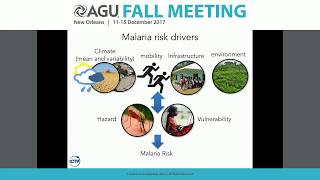
Climate Drivers of Infectious Disease: Past, Present, and Future - 2017
Explore climate's impact on infectious diseases through expert presentations on influenza dynamics, West Nile virus forecasting, and innovative prediction models for outbreaks.

Clean Power, Bright Future - Transforming Energy for a Sustainable Future
Exploring innovative solutions to decarbonize the grid and electrify society, from nuclear reactors to community solar, while addressing policy challenges and ensuring equitable access to clean energy.
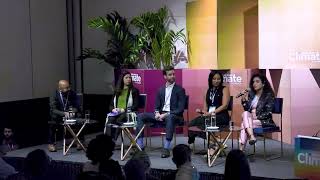
The Future of Transportation - Cutting CO2 Emissions While Keeping the World Moving
Explore the future of transportation with industry leaders discussing innovative solutions to reduce CO2 emissions in aviation, automotive, and shipping sectors while maintaining global mobility.

Design Solutions for Resilient Coastlines - Where Buildings Meet Breakwaters
Innovative design solutions for coastal resilience: underwater sculptures and creative landscape architecture to protect buildings and ecosystems from flooding in Miami and New York.

Decarbonization and Global Geopolitics - The Path to Net Zero
Exploring geopolitical complexities of decarbonization, including disruption of petrostates, global power shifts, and challenges for developing nations in the transition to net-zero emissions.
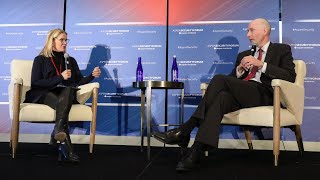
Decarbonizing the Economy: A Fireside Chat with David Turk
Insights on decarbonizing the economy, clean energy transition, and global energy challenges from U.S. Deputy Energy Secretary David Turk in conversation with BBC's Katty Kay.