Advanced Process Control
Comprehensive exploration of advanced process control techniques, covering linearization, modeling, stability analysis, stochastic processes, and control design methods for complex industrial systems.
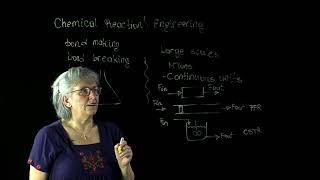
Advanced Chemical Reaction Engineering - Prof. Dr. Deniz Üner
Explore advanced concepts in chemical reaction engineering, including reactor design, energy balances, kinetics, and complex reactions for both ideal and non-ideal systems.
Stanford Chemical Engineering Online Master's Degree Program Webinar
Explore Stanford's online Chemical Engineering MS program: curriculum, career benefits, and enrollment details. Faculty discuss this part-time degree's unique features and answer questions.
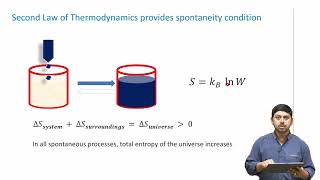
Chemical Principles II
In this course, a holistic approach covering three different approaches (classical, statistical, and postulate-based) of thermodynamics will be covered. The objective of this course is demystification the enigma of entropy.
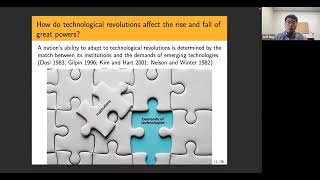
HAI Weekly Seminar with Jeff Ding - The Rise and Fall of Great Technologies and Powers
Explore the impact of technological revolutions on global power dynamics, focusing on the US-China AI race and drawing insights from historical technological shifts.
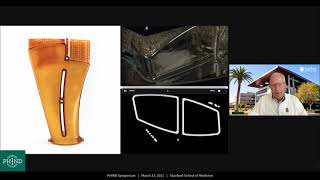
Digital Fabrication Approaches for Personalized Medicine
Explore innovative digital fabrication techniques for personalized medicine, focusing on cutting-edge approaches to tailor treatments to individual patients' needs.
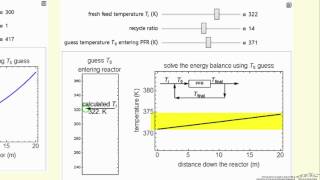
Kinetics-Reactor Design: Interactive Simulations
Interactive simulations demonstrating kinetic phenomena in chemical engineering, covering various reactor types, reaction conditions, and design considerations for enhanced understanding of complex concepts.
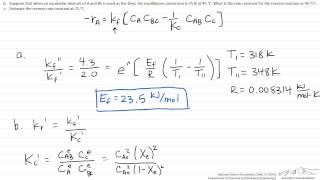
Kinetics - Reactor Design Review
Comprehensive review of kinetics and reactor design concepts through exam problem screencasts, covering topics from activation energy to reactor types and selectivity.
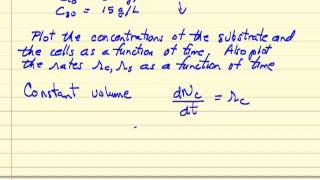
Kinetics-Reactor Design: Biokinetics
Explore biokinetics through cell growth, pharmacokinetics, and enzyme reactions. Learn modeling techniques and practical applications in bioreactors, drug dosing, and enzyme inhibition.
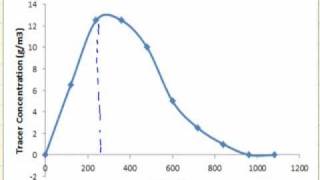
Kinetics-Reactor Design: Residence Time Distribution
Explore residence time distribution in reactor design, covering tracers, modeling non-ideal reactors, and segregated flow. Learn to analyze and optimize chemical engineering processes.
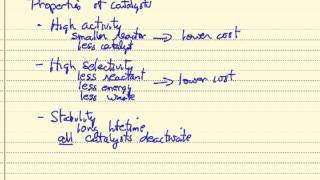
Catalysis
Comprehensive exploration of catalysis principles, covering crystal structures, reaction kinetics, adsorption, and mass transfer. Includes interactive simulations for practical understanding of complex concepts.
Kinetics - Reactor Design: Multiple Reactions
Explore advanced kinetics and reactor design concepts, including selectivity, equilibrium, and multiple reactions in various reactor types. Gain insights into parallel and series reactions for comprehensive understanding.
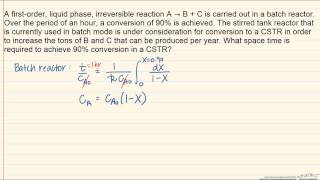
Kinetics-Reactor Design: Rate Data
Comprehensive screencasts on chemical kinetics and reactor design, covering rate analysis, regression techniques, and reactor sizing. Practical examples and software applications included for in-depth understanding.
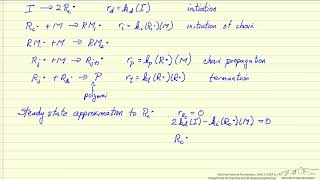
Kinetics - Reactor Design: Kinetic Mechanisms
Explore kinetic mechanisms in chemical engineering, covering topics like polymerization, enzyme reactions, and catalysis. Learn to derive rate expressions and analyze diffusion effects.
Kinetics-Reactor Design - Non-Isothermal Reactors
Explore non-isothermal reactor design, covering activation energy, heat effects, adiabatic systems, heat exchange, and multiple steady-states through comprehensive screencasts with closed captioning.
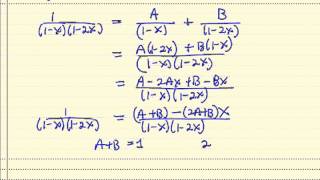
Kinetics-Reactor Design: Isothermal Reactor Design
Comprehensive exploration of isothermal reactor design, covering various reactor types, mathematical methods, and practical applications in chemical engineering.
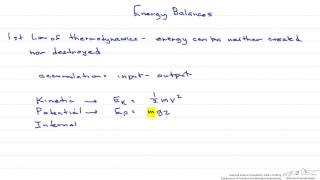
MEB - Energy Balances
Comprehensive exploration of energy balances in chemical engineering, covering nonreactive and reactive systems, steam tables, psychrometric charts, and thermochemistry concepts.
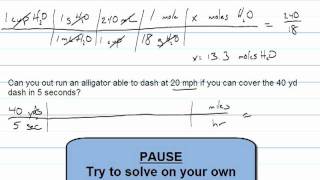
MEB - Problem Analysis
Comprehensive screencasts on interpolation, unit conversion, and process variables for Material and Energy Balances, with practical examples and Excel applications.
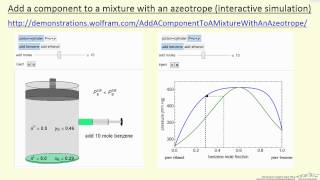
Thermodynamics - Interactive Simulations
Interactive simulations exploring thermodynamic phenomena, from phase diagrams to chemical equilibrium. Hands-on learning of complex concepts using Mathematica, covering a wide range of topics in thermodynamics.
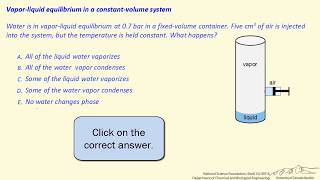
Thermodynamics - Interactive Screencasts
Interactive screencasts with multiple-choice questions on thermodynamics concepts, covering topics from vapor-liquid equilibrium to entropy changes and phase diagrams.
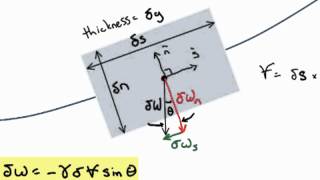
Fluid Dynamics
Comprehensive exploration of fluid dynamics principles, covering equations, flow types, and practical applications. Includes interactive simulations for enhanced understanding.