Advanced Chemical Reaction Engineering - Prof. Dr. Deniz Üner
Explore advanced concepts in chemical reaction engineering, including reactor design, energy balances, kinetics, and complex reactions for both ideal and non-ideal systems.
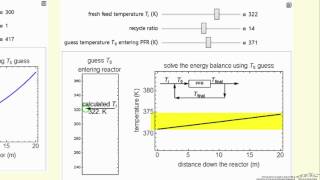
Kinetics-Reactor Design: Interactive Simulations
Interactive simulations demonstrating kinetic phenomena in chemical engineering, covering various reactor types, reaction conditions, and design considerations for enhanced understanding of complex concepts.
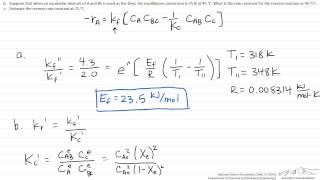
Kinetics - Reactor Design Review
Comprehensive review of kinetics and reactor design concepts through exam problem screencasts, covering topics from activation energy to reactor types and selectivity.
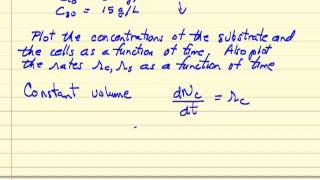
Kinetics-Reactor Design: Biokinetics
Explore biokinetics through cell growth, pharmacokinetics, and enzyme reactions. Learn modeling techniques and practical applications in bioreactors, drug dosing, and enzyme inhibition.
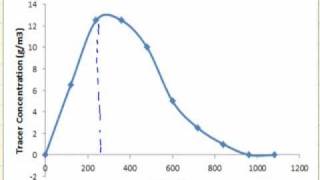
Kinetics-Reactor Design: Residence Time Distribution
Explore residence time distribution in reactor design, covering tracers, modeling non-ideal reactors, and segregated flow. Learn to analyze and optimize chemical engineering processes.
Kinetics - Reactor Design: Multiple Reactions
Explore advanced kinetics and reactor design concepts, including selectivity, equilibrium, and multiple reactions in various reactor types. Gain insights into parallel and series reactions for comprehensive understanding.
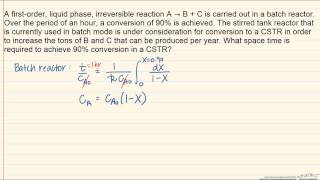
Kinetics-Reactor Design: Rate Data
Comprehensive screencasts on chemical kinetics and reactor design, covering rate analysis, regression techniques, and reactor sizing. Practical examples and software applications included for in-depth understanding.
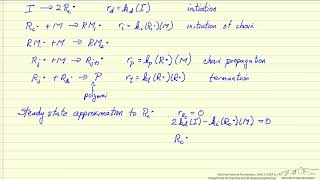
Kinetics - Reactor Design: Kinetic Mechanisms
Explore kinetic mechanisms in chemical engineering, covering topics like polymerization, enzyme reactions, and catalysis. Learn to derive rate expressions and analyze diffusion effects.
Kinetics-Reactor Design - Non-Isothermal Reactors
Explore non-isothermal reactor design, covering activation energy, heat effects, adiabatic systems, heat exchange, and multiple steady-states through comprehensive screencasts with closed captioning.
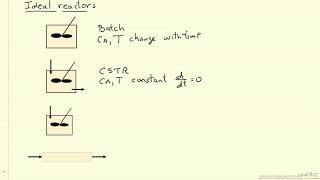
Kinetics Review for Graduate Reaction Engineering Course
Comprehensive review of kinetics and reactor design for graduate-level chemical engineering, covering various reactor types, reaction mechanisms, and design problems through screencasts.

Carem, el reactor nuclear modular entre los más avanzados del mundo | Sol Pedre | TEDxBariloche
Argentina lleva 75 años construyendo una historia nuclear única: exportamos reactores que producen radioisótopos para la salud, tenemos centrales que generan el 9% de nuestra energía, fabricamos combustible propio y estamos construyendo el CAREM, nuestro reactor de potencia de diseño propio. Una his