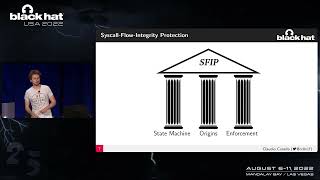
Go With the Flow - Enforcing Program Behavior Through Syscall Sequences and Origins
Explore syscall-flow-integrity protection (SFIP) to enhance application security by limiting control flow across user-to-kernel transfers, addressing vulnerabilities in complex software systems.
Breaking Firmware Trust From Pre-EFI - Exploiting Early Boot Phases
Explore recent UEFI firmware security changes, focusing on Intel CPUs. Covers firmware mitigations in SMM/DXE and new attacks on Intel PPAM, offering unique insights from an offensive security perspective.
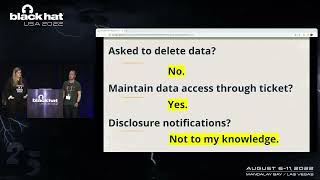
Bug Hunters Dump User Data - Can They Keep It? Well They're Keeping It Anyway
Explores legal and ethical implications of security researchers handling sensitive user data during bug bounty disclosures, examining responsibilities and potential consequences for all parties involved.
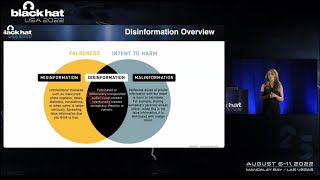
The Growth of Global Election Disinformation - The Role and Methodology of Government-Linked Cyber Actors
Explore how government-linked cyber actors influence elections through disinformation campaigns, focusing on a case study from Colombia's 2022 elections and strategies for detecting such operations.
The Journey of Hunting In-the-Wild Windows LPE 0day
Explore techniques for detecting and capturing in-the-wild Windows Local Privilege Escalation vulnerabilities, including methodology development and continuous improvement strategies.
Scaling the Security Researcher to Eliminate OSS Vulnerabilities Once and For All
Explore automated security vulnerability detection and fixing in open-source software, including techniques like OpenRewrite and control flow analysis for efficient, large-scale remediation.
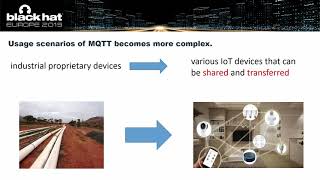
Security Holes in the Integration and Management of Messaging Protocols on Commercial IoT Clouds
Systematic study reveals vulnerabilities in IoT cloud platforms' MQTT integration, exposing risks of device control, DoS attacks, data theft, and status manipulation.
Hackers, Journalists and the Ethical Swamp
Investigative journalist analyzes five high-profile hacking incidents, exploring trends and tactics in media manipulation and collaboration between hackers and reporters.
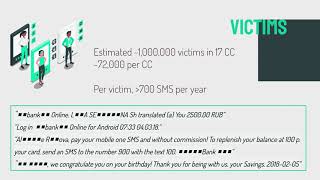
Money Doesn't Stink - Cybercriminal Business Insight of a New Android Botnet
Explore the inner workings of a cybercriminal group operating an Android botnet, including their hierarchy, challenges, and impact on victims' security.
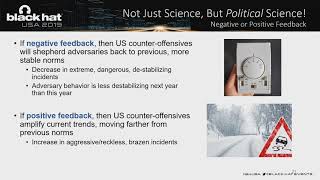
Rough and Ready - Frameworks to Measure Persistent Engagement and Deterrence
Explore frameworks for assessing U.S. cybersecurity policy effectiveness, focusing on measuring persistent engagement and deterrence strategies in national defense.
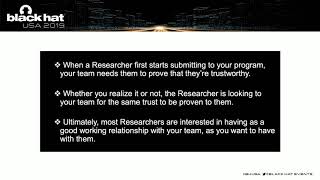
Managing for Success - Maintaining a Healthy Bug Bounty Program Long Term
Strategies for maintaining an effective bug bounty program, focusing on incentives, communication, and researcher relationships to ensure high-value vulnerability reports and long-term success.
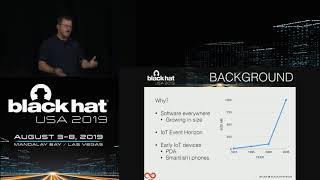
Ghidra - Journey from Classified NSA Tool to Open Source
Explore NSA's journey in developing and open-sourcing Ghidra, a powerful software reverse engineering framework. Learn about its features, impact, and future developments.
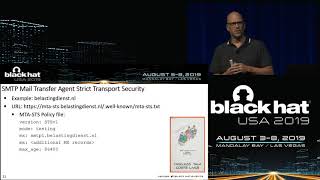
How to Detect that Your Domains are Being Abused for Phishing by Using DNS
Learn to protect your domains from phishing attacks using DNS and email security protocols like SPF, DKIM, and DMARC. Discover advanced techniques for detecting and preventing domain abuse.
Bounty Operations - Best Practices and Common Pitfalls to Avoid in the First 6-12 Months
Insights from experienced bug bounty managers on program operations, triage strategies, and common vulnerabilities. Learn best practices and avoid pitfalls for successful bounty programs.
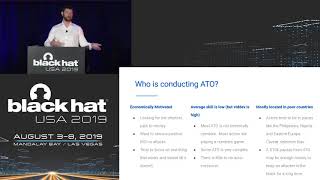
The Future of ATO
Exploring the evolving landscape of Account Takeover (ATO) attacks, focusing on emerging threats, sophisticated techniques, and strategies to protect user accounts in the digital age.
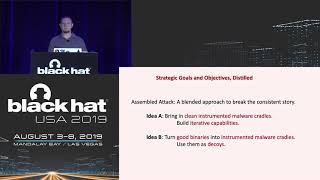
Zombie Ant Farming - Practical Tips for Playing Hide and Seek with Linux EDRs
Explore techniques to evade Linux EDRs, including using approved executables as decoys and leveraging dynamic ELF loader primitives for stealthy post-exploitation capabilities.
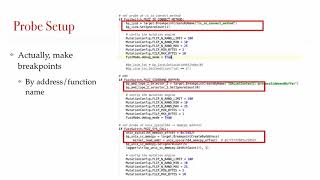
Debug for Bug - Crack and Hack Apple Core by Itself
Explore Apple kernel vulnerabilities through fuzzing, including double free and out-of-bounds issues. Learn about debugging and fuzzing techniques for uncovering security flaws in Apple's core systems.
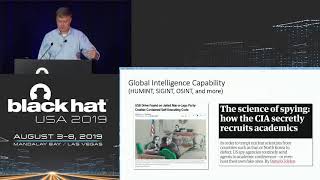
Operational Templates for State-Level Attack and Collective Defense of Countries
Explore templates for nation-level cyber attacks and defense strategies, examining various time horizons, attribution levels, and collective approaches to protect countries in cyberspace.
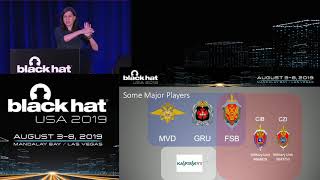
Infighting Among Russian Security Services in the Cyber Sphere
Explore the complex dynamics of Russian security agencies in cyberspace, examining conflicts, international campaigns, and their implications for global cybersecurity.
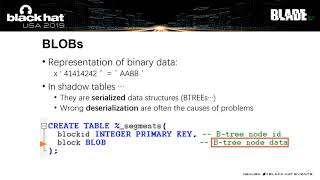
Exploring the New World - Remote Exploitation of SQLite and Curl
Discover new methods for finding vulnerabilities in SQLite and Curl through fuzzing and manual auditing, including insights on "Magellan" and "Dias" vulnerabilities.
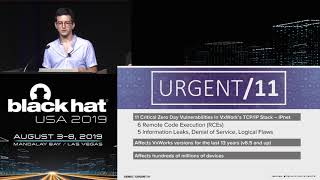
Critical Zero Days Remotely Compromise the Most Popular Real-Time OS
Explore critical vulnerabilities in VxWorks, a popular real-time OS, and their potential for remote network breaches and device exploitation. Includes live demonstrations on various devices, including medical equipment.