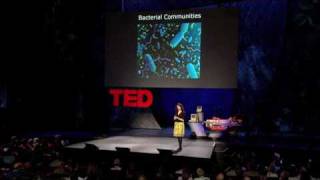
The Secret, Social Lives of Bacteria
Discover how bacteria communicate and coordinate using chemical language, with implications for medicine and industry. Explore bacterial quorum sensing and its potential for new antibiotic approaches.

The Case for Engineering Our Food
Explore genetic engineering's role in enhancing food security through Pamela Ronald's research on flood-resistant rice and the successful preservation of Hawaiian papaya crops.

Building a Dinosaur from a Chicken
Paleontologist Jack Horner discusses his innovative approach to reconstructing dinosaurs by genetically engineering chickens to reactivate ancestral traits like teeth, tails, and hands.

A Light Switch for Neurons
Innovative neuroscience technique using light-sensitive proteins to control brain cells, offering potential treatments for PTSD and blindness, with implications for neural prosthetics.

How CRISPR Lets Us Edit Our DNA
Geneticist Jennifer Doudna explains CRISPR-Cas9, a revolutionary gene-editing technology, its potential for treating genetic diseases, and the ethical considerations surrounding its use in human DNA modification.
Could We Replace Data Centers with Plant DNA - Using Sugar Cane DNA for Data Storage
Discover how Indigenous knowledge and genetic science converge to explore using plant DNA, particularly from sugar cane, as an innovative and environmentally conscious solution for data storage challenges.

Can Dogs Detect the Next Pandemic Before It Begins?
Explore how animals' sense of smell could detect diseases and prevent pandemics. Learn about the development of a "mechanical nose" and training animals to identify illnesses for early intervention.
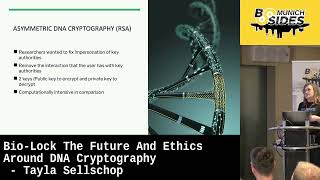
Bio-Lock - The Future and Ethics Around DNA Cryptography
Explore the emerging field of DNA cryptography, its future implications, and ethical considerations in data security and biological encryption systems.
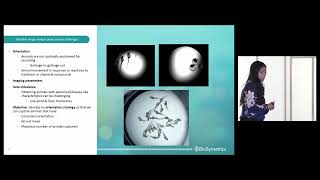
Machine Learning-Driven Phenotyping Platform for Rapid In Vivo Target Validation and Precision Medicine
Develop a zebrafish phenotyping platform using 3D-printed mounts and computer vision for drug discovery, enabling rapid gene-to-phenotype analysis and accelerating clinical translation.
Gene Therapy in Arrhythmogenic Right Ventricular Cardiomyopathy (ARVC)
Explore gene therapy's potential in treating ARVC, including mechanisms, applications, and future prospects in cardiovascular medicine.

Merck Digital Sciences Studio: Startup Accelerator for Life Sciences
Explore Merck's startup accelerator for life sciences, featuring insights from Andson Biotech's founder and CEO on digital innovation in biotechnology.
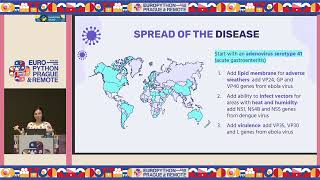
How to Destroy the World Using Python and a Synthetic Virus
Explore synthetic biology's potential to modify viruses using Python, discussing both dangerous applications and healthcare benefits. Learn basic biology and see a practical example.

Molecular Approach: Navigating the Future of Healthcare
Explore how molecular approaches and genomics are revolutionizing healthcare, particularly in personalized treatments and fertility. Gain insights into the future of medicine from a leading scientist.
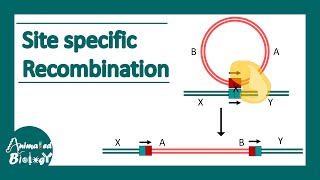
Site-Specific Recombination: How Do Site-Specific Recombinases Work?
Explore site-specific recombination and the mechanisms of site-specific recombinases. Learn about their outcomes and applications in genetic engineering and biotechnology.
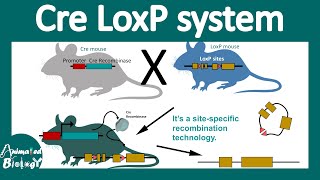
Cre-Lox System: Conditional Gene Knockout and Site-Specific Recombination
Explore the Cre-loxP system for conditional gene knockout and site-specific recombination. Learn its applications in creating cell-specific mutants and spatiotemporal control of gene expression.
Health and Biotech at EIC - Conquering Cancer Innovation
Discover how EIC supports breakthrough health and biotech innovations to conquer cancer in Europe through funding, development, and scaling initiatives.
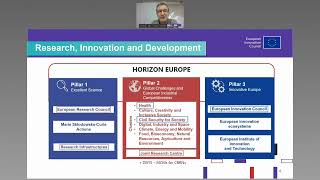
Monoclonal Antibody-Based Therapeutics for New Variants of Emerging Viruses
Explore monoclonal antibody-based therapeutics for emerging virus variants, focusing on development strategies and potential applications in combating evolving pathogens.

Shattering the Glass Ceiling by Finding the Right Mirrors
Discover how surrounding yourself with supportive individuals can transform your career, life, and society. Learn to build a powerful network and become an inspiring mirror for others.
rhAmpSeq CRISPR Analysis Tool Tutorial
Learn to analyze CRISPR experiments using IDT's rhAmpSeq™ tool. Explore features for efficient data interpretation and result visualization in genome editing projects.
How to Optimize CRISPR Genome Editing in Primary T Cells
Optimize CRISPR genome editing in primary T cells with improved methods for cell culture, delivery, and knock-in rates using HDR donors and enhancing reagents.
Custom CRISPR Solutions for High-Throughput Workflows in Drug Discovery
Discover high-throughput CRISPR genome editing techniques for research and drug discovery, focusing on arrayed synthetic guide RNA libraries and custom solutions.