Monitoring and Modulating the Electrophysiology of the Digestive System
Explore cutting-edge technologies for monitoring and modulating digestive system electrophysiology, including non-invasive tracking, wireless biosensors, and closed-loop neuromodulation of the enteric nervous system.
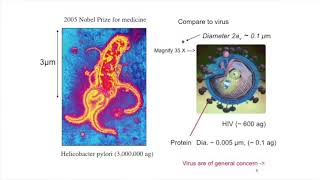
NYU Tandon's Ultra-sensitive Whispering Gallery Mode Biosensor - Part One: Motivation and History
Explore ultra-sensitive biosensors for pathogen detection, focusing on whispering gallery mode technology and its applications in virus detection and molecular spectroscopy.
Computational Protein Design and De Novo Design of Proteins
Explore computational approaches for designing functional proteins, including surface pattern analysis and de novo topology exploration, with applications in vaccine design, T-cell therapies, and biosensors.
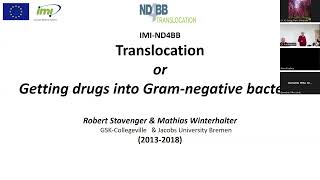
Transport of Small Molecules Across Membranes - Guest Lecture
Explore the intricate world of molecular transport across membranes, focusing on bacterial cell walls and antibiotic uptake. Discover innovative techniques for quantifying transport and developing hybrid sensors.

Analog Biology: Mimicking Biological Processes with Low-Cost Semiconductor Devices
Biomed engineer explores analog semiconductor devices mimicking biological processes, revolutionizing remote vital sign monitoring with low-energy, cost-effective solutions.
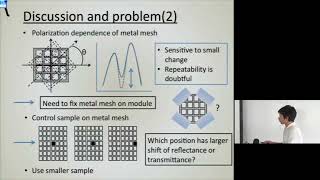
The New Method of Metal Mesh
Discover innovative metal mesh methodologies and their applications in bio-sensing engineering through advanced research insights from Kyoto University's graduate studies.
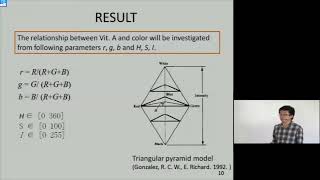
Estimation of Serum Vitamin A Level by Color Change of Pupil in Japanese Black Cattle
Discover innovative methods for estimating vitamin A levels in Japanese Black Cattle through pupil color analysis, exploring bio-sensing techniques and their practical applications in livestock health monitoring.
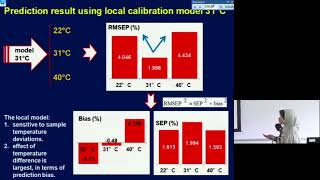
Development of Robust Calibration Model for L-Ascorbic Acid Determination Using Terahertz Spectroscopy
Explore the development of robust calibration models for L-Ascorbic acid measurement using advanced terahertz spectroscopy techniques in solution-based analysis.
Miniaturized Biosensors for Healthcare
Explore innovative biosensing devices and their applications in healthcare and agriculture, from lab development to market commercialization, with insights on overcoming fabrication challenges.
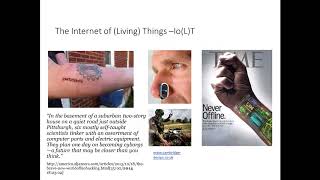
Biosensors - How to Achieve the Ultimate in Performance With the Simplest of Devices
Explore cutting-edge biosensor technology and its potential for high-performance, simplified devices in this insightful lecture by Anthony Turner from Linköping University.
Synthetic Life - Could We? Should We?
Expert panel explores synthetic biology's potential impacts, ethical considerations, and technological advancements. Discusses applications in crop protection, biosensors, and bioprocessing, as well as societal implications.

Hydroepidemiology - Understanding Connections Between Hydrology and Human Health - Part 2
Explore connections between hydrology and human health, focusing on waterborne diseases, climate change impacts, and predictive modeling for outbreaks in various regions.
Measuring Molecules with Electrochemistry
Explore biosensor technology for medical diagnostics, from sepsis detection to neurochemistry, with insights into cutting-edge research and applications.
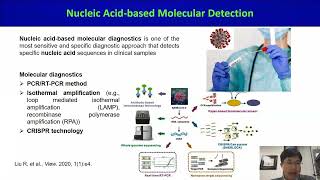
CRISPR-based Microfluidic Biosensing Systems for Molecular Diagnostics
Explore CRISPR-based microfluidic biosensing for molecular diagnostics. Learn about innovative point-of-care detection methods for pathogens and cancers, combining CRISPR and microfluidic technologies.
AI on the Edge: Neuromorphic Computing - Session 2
Explore neuromorphic computing through research on brain-machine interfaces, electronic skin, hippocampal memory prostheses, and retina-inspired circuits.
This is the Future
Explore cutting-edge tech with young innovators in CRISPR, AR, and MedTech. Discover their groundbreaking projects and visions for the future in this insightful discussion.

Can Dogs Detect the Next Pandemic Before It Begins?
Explore how animals' sense of smell could detect diseases and prevent pandemics. Learn about the development of a "mechanical nose" and training animals to identify illnesses for early intervention.
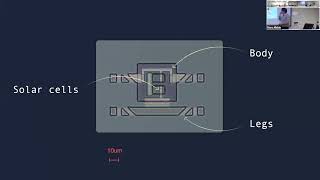
Microscopic Robots - Integrating Intelligence and Autonomous Behavior at the Cellular Scale
Discover groundbreaking advances in microscopic robotics, exploring autonomous systems that integrate sensing, computing, and action at cellular scales for applications in nerve repair and nanomanufacturing.
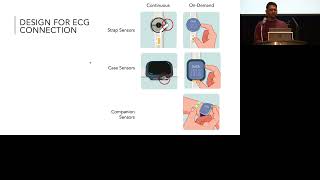
Enhancing Smartwatches with Sensor Add-Ons via ECG Interface
Discover how to expand smartwatch capabilities by integrating sensor add-ons through ECG interfaces, enabling enhanced functionality and innovative wearable applications.
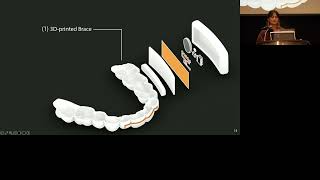
MouthIO - Fabricating Customizable Oral User Interfaces with Integrated Sensing and Actuation
Explore groundbreaking developments in oral user interface technology through customizable fabrication methods that combine sensing capabilities with interactive actuation systems.

LabVIEW Brain-Computer Interface: Using Biosensing Hardware for EEG and EMG Control
Explore how to integrate biosensing hardware with LabVIEW to control systems through brainwave activity and muscle signals, enabling innovative hardware-brain interfaces.