Genomic-scale Data Pipelines - Building Serverless Bioinformatics Cloud Solutions
Explore genomic-scale data pipelines with cloud architects Lynn Langit and Denis Bauer. Learn about serverless bioinformatics, MedTech solutions, and cutting-edge approaches to handling large-scale genomic data.
How a Passion for Oceans Can Utilize Synergies of Technology - Cleaning Beaches with Custom Robots
Discover how Race for Oceans develops custom robots to clean Danish beaches from plastic pellets, addressing decades of environmental damage and showcasing technology's role in ocean conservation.
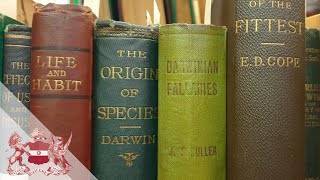
Between Wallace's Lines: Annotations from a Personal Library
Explore Alfred Russel Wallace's personal library annotations, revealing insights into his scientific views, interests, and interactions with 19th-century contemporaries like Darwin and Huxley.
Radical by Nature - The Revolutionary Life of Alfred Russel Wallace
Explore the revolutionary life of Alfred Russel Wallace, a multifaceted Victorian naturalist who discovered natural selection, founded evolutionary biogeography, and championed social causes from spiritualism to socialism.
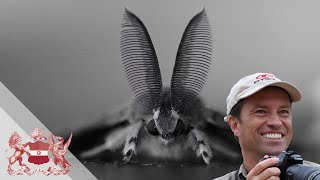
The Jewel Box - How Moths Illuminate Nature's Hidden Rules
Explore how moths reveal nature's hidden patterns and interconnections through an ecologist's daily observations, offering insights into broader ecosystem dynamics and biodiversity.
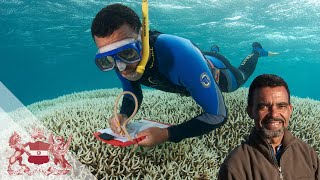
Coral Reefs - A Canary in the Coal-Mine for the Anthropocene
Explore coral reefs in the Western Indian Ocean, their status under climate change, and implications for global sustainability. Gain insights on local to global challenges using SDGs as guideposts.
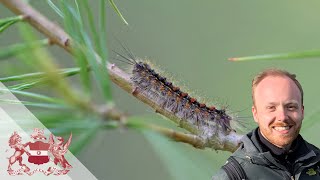
Timing and Adaptation of Spring-feeding Caterpillars - Climate Change Impacts
Explore the importance of timing in ecological interactions, focusing on spring-feeding caterpillars. Examine climate change impacts and the surprising resilience of these species in adapting to environmental shifts.
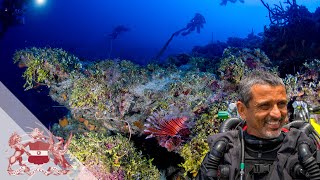
Exploring the Coral Reef's Twilight Zone
Dive into the unexplored depths of coral reefs with expert Luiz Rocha. Discover groundbreaking research, challenges, and spectacular findings in the twilight zone of these diverse ecosystems.
Understanding our Urban Streams Through History, Geography, and Ecology
Explore urban streams' rich history and ecology, examining human impacts, changing perceptions, and new approaches to reconnect city dwellers with nature and each other.
The Impact of European Colonialism on Global Plant Redistribution
Explore how European colonialism shaped global alien plant distribution, examining lasting impacts on floristic similarity and the influence of occupation duration and regional importance.
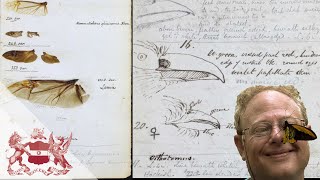
Alfred Wallace's Remarkable Discoveries in the Malay Archipelago
Explore Alfred Wallace's groundbreaking discoveries during his 8-year expedition to the 'Malay Archipelago', including his contributions to evolutionary theory and biogeography.
A New Era for Biodiversity Conservation in Tunisia
Explore Tunisia's understudied biodiversity through the work of ATVS, a group of young ecologists leading research from desert oases to remote islands, uncovering the country's rich biological heritage.

Unpacking the Evolution of Homosexuality - Debunking Evolutionary Theories
Explore evolutionary theories of homosexuality, debunking common misconceptions and examining the interplay between life sciences and human sciences in understanding this complex topic.
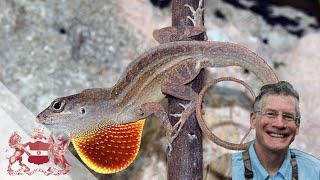
Lizard Evolution in Real Time - Field Experiments on Evolutionary Process
Explore rapid lizard evolution through field experiments in the Bahamas. Discover how changing environments drive quick adaptations, challenging traditional views on evolutionary timescales.
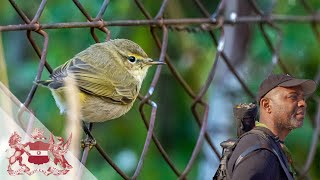
A World of Urban Birds - Christmas Lecture 2022
Explore the diverse world of urban birds with David Lindo. Discover surprising species in cities, learn to notice and appreciate urban wildlife, and gain a new perspective on urban ecology.
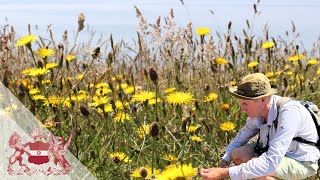
Genome Size Constraints on Plant Ecology and Distribution
Explore how genome size impacts plant ecology and distribution. Discover the role of DNA quantity in shaping plant communities and their responses to environmental factors like nutrients and climate.
Amateur Lepidopterists and Museums - Past and Present
Explore the history and decline of amateur lepidopterist contributions to museum collections, focusing on US and UK specimens. Gain insights into changing trends in insect preservation.
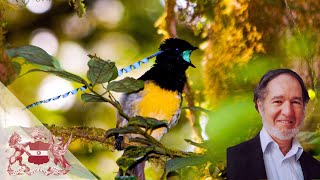
The Marvel of New Guinea Birds
Explore New Guinea's extraordinary birds, unique habitats, and their significance in ornithology. Discover birds of paradise, bowerbirds, and other fascinating species in this tropical paradise.
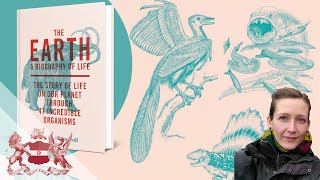
A Biography of the Living Earth - Evolution and Ecosystems Through Time
Explore Earth's 4.6 billion-year history, from ancient organisms to complex ecosystems. Uncover surprising connections and learn how even the smallest life forms impact our planet's evolution and climate.
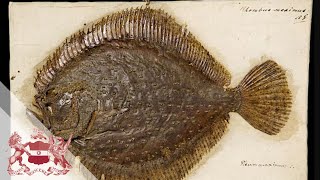
Alexander Garden's Fishes - Linnean Lens
Explore the historical significance of Alexander Garden's fish specimens sent to Carl Linnaeus, examining their impact on early North American ichthyology.
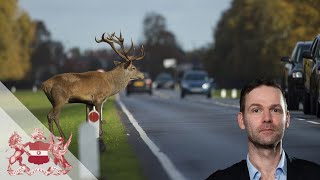
The Big Pause - Tracking Wildlife During COVID-19 Lockdowns
Explore how wildlife behavior changed during COVID-19 lockdowns through a global research initiative using bio-loggers, revealing insights into human-wildlife interactions and conservation.