
Thalamus - Structure and Function in Neuroanatomy
Comprehensive exploration of thalamus anatomy and physiology, covering its structure, connections, and role in sensory processing and motor control within the central nervous system.
Diencephalon - Structure and Function in Neuroanatomy
Comprehensive exploration of the diencephalon's structure and function in neuroanatomy, covering key components and their roles in the central nervous system.
Descending Tracts - Corticospinal, Pyramidal, and Extrapyramidal Tracts
Comprehensive exploration of descending tracts, focusing on corticospinal, pyramidal, and extrapyramidal systems. Ideal for medical students seeking in-depth understanding of neuroanatomy and motor control pathways.
Spinal Cord Injury and Its Lesions - Neuroanatomy
Comprehensive exploration of spinal cord injuries and lesions, covering anatomical aspects, injury mechanisms, and clinical implications in neuroanatomy. Enhances understanding for medical students and healthcare professionals.
Development of Nervous System - Neuroanatomy
Comprehensive exploration of nervous system development, covering key stages and structures in neuroanatomy. Ideal for medical students seeking in-depth understanding of neurological formation.

Blood Supply to Brain - Neuroanatomy
Comprehensive exploration of brain blood supply, covering key arteries, circulation patterns, and anatomical structures involved in cerebral perfusion.

Meninges - Dura Mater, Arachnoid Mater, and Pia Mater
Comprehensive exploration of meninges, including dura mater, arachnoid mater, and pia mater. Detailed anatomical insights for medical students and professionals seeking in-depth understanding of these protective brain layers.

Blood Supply to Brain and Circle of Willis in Neuroanatomy
Comprehensive exploration of brain blood supply, detailing anterior and posterior cerebral circulation, major arteries, and the Circle of Willis. Emphasizes anatomical structures and their interconnections.
Type 2 Hypersensitivity Reactions - Antibody-Mediated Cytotoxic Hypersensitivity
Explore the mechanisms, diagnosis, and management of Type II hypersensitivity reactions, including antibody-mediated cytotoxicity and cellular dysfunction caused by IgG and IgM antibodies.

Type 1 Hypersensitivity Reactions - Immediate Allergic Reactions
Comprehensive exploration of Type 1 Hypersensitivity Reactions, covering pathophysiology, evaluation, and management of immediate allergic responses mediated by IgE, IgM, and IgG antibodies.
Types of Hypoxia - Respiratory, Hypoxemia, and Hypoxemic Conditions
Comprehensive exploration of hypoxia types, causes, and treatments, including oxygen therapy responses for various conditions affecting tissue oxygenation.
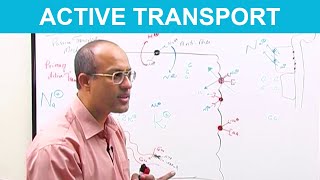
Active Transport in Cell Biology
Comprehensive exploration of active transport mechanisms in cells, detailing primary and secondary processes, their energy sources, and roles in maintaining cellular homeostasis.

DNA Replication, RNA, and Nucleotides in Cell Biology and Genetics
Comprehensive exploration of DNA replication, RNA, nucleotides, and genetic processes. Covers fundamental concepts and mechanisms in cell biology, offering in-depth understanding for biology students.
DNA Structure and Function - Cell Biology Part 2
Comprehensive exploration of DNA structure, function, and replication, covering nucleotides, base pairing, and genetic information storage. Ideal for biology students seeking in-depth understanding of cellular processes.
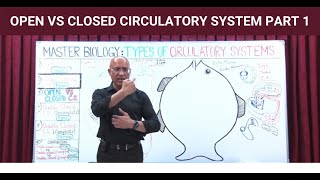
Open vs Closed Circulatory Systems - Biology
Comprehensive exploration of open and closed circulatory systems, comparing their structures, functions, and evolutionary significance. Ideal for NEET and GCSE biology exam preparation.

Types of Circulatory Systems - Cardiovascular Biology
Comprehensive exploration of circulatory systems, covering cardiovascular anatomy, blood composition, and lymphatic function. Ideal for NEET and GCSE biology exam preparation.
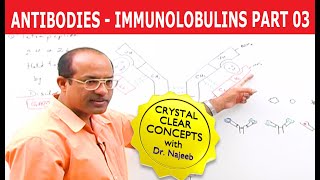
Antibodies and Immunoglobulins: Structure and Function - Part 3
Detailed exploration of antibody structure, function, and types, focusing on their role in immune responses and mechanisms of pathogen neutralization.
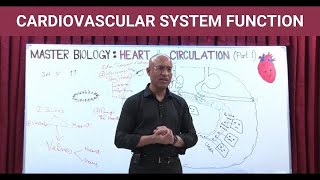
Cardiovascular System Function - Circulatory System
Comprehensive overview of cardiovascular system functions, including nutrient transport, body protection, and temperature regulation. Ideal for NEET and GCSE exam preparation.
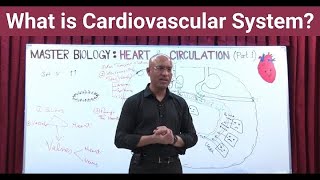
Cardiovascular System and Circulatory System - Biology Overview
Comprehensive overview of the cardiovascular system's structure, function, and development. Explains its vital role in maintaining homeostasis and transporting essential materials throughout the body.
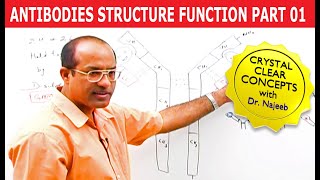
Antibodies and Immunoglobulins - Structure and Function - Part 1
Comprehensive exploration of antibody structure, function, and classification, covering their role in immune response, molecular composition, and binding mechanisms.

Cell Membrane Transport Mechanisms in Cell Biology
Comprehensive exploration of cell membrane transport mechanisms, covering passive and active transport, protein-mediated processes, and vesicular transport, with detailed examples and characteristics.