
Types of Mutations in DNA Genetics - Part 2
Explore various types of mutations, their origins, and effects on DNA genetics. Learn about somatic and germinal mutations, spontaneous and induced mutations, and their impact on organisms.

Mutation and Types of Mutations in DNA Genetics - Part 1
Comprehensive exploration of mutation types, including somatic and germinal mutations, spontaneous and induced mutations, and their effects on DNA and genetics.
Gastrointestinal Motility - Understanding GI Tract Movement
Comprehensive exploration of gastrointestinal motility, covering the movement of food through the digestive system, associated disorders, and the unique functions of each part of the GI tract.
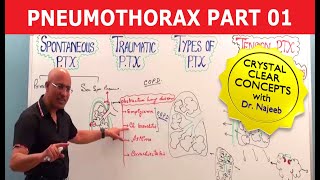
Pneumothorax: Basic Pathology - Part 1
Comprehensive exploration of pneumothorax pathology, covering causes, types, and mechanisms. Detailed explanations enhance understanding of this respiratory condition for medical students and professionals.
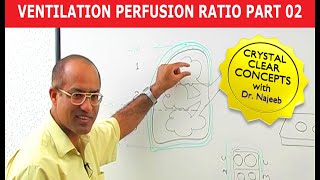
Ventilation-Perfusion Ratio - Part 2
Comprehensive exploration of ventilation-perfusion ratio, examining physiological factors affecting gas exchange in lungs and their clinical implications for respiratory function.
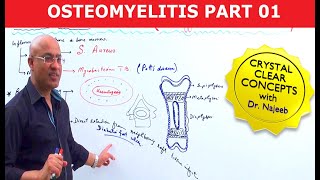
Osteomyelitis - Part 1
Comprehensive exploration of osteomyelitis, covering pathophysiology, diagnosis, and treatment approaches. Ideal for medical students and healthcare professionals seeking in-depth understanding of bone infections.

Development of the Placenta - Embryology
Comprehensive exploration of placental development in embryology, covering key stages, structures, and functions. Ideal for medical students and professionals seeking in-depth understanding of fetal-maternal interface.

Connective Tissue - Structure and Function in Histology
Comprehensive exploration of connective tissue structure, function, and histology. Covers various types, their roles in body support, and importance in organ systems and physiological processes.

Receptors and Intracellular Signaling - Made Easy
Comprehensive exploration of receptors and intracellular signaling mechanisms, simplifying complex concepts for better understanding of cellular communication processes.
Histology of the Cardiovascular System
Explore the structure and function of the cardiovascular system, including heart, arteries, veins, and capillaries. Learn about circulation types and blood vessel anatomy.
Cavernous Sinus - Structure and Function
Comprehensive exploration of the cavernous sinus anatomy, including its structural components and physiological roles in the human body. Ideal for medical students and healthcare professionals.

Krebs Cycle - Citric Acid Cycle - Cellular Respiration
Comprehensive exploration of the Krebs cycle, detailing its chemical reactions, role in energy production, and significance in cellular metabolism. Covers key concepts and biochemical processes.
Autonomic Nervous System - Neuroanatomy
Comprehensive exploration of the autonomic nervous system's structure and function, covering key components, pathways, and physiological roles in regulating involuntary bodily processes.
Inflammation and Vascular Events in Immunology
Comprehensive exploration of inflammation's vascular phase, detailing vessel dilation, increased blood flow, and endothelial changes that enhance vascular permeability during the inflammatory response.
Introduction to Neuroanatomy, Neuroscience, and Neurophysiology
Comprehensive introduction to neuroanatomy, covering key concepts in neuroscience and neurophysiology. Ideal for medical students and professionals seeking in-depth understanding of the nervous system's structure and function.

Pterygopalatine Fossa - Neuroanatomy
Detailed exploration of the pterygopalatine fossa's neuroanatomy, covering its structure, contents, and clinical significance in head and neck anatomy.
Vestibulo Ocular Reflex - Neuroanatomy
Explore the neuroanatomy of the Vestibulo Ocular Reflex in this comprehensive lecture, covering key concepts and mechanisms for a deeper understanding of this important reflex.
Petrosal Nerves - Greater, Deep and Lesser Petrosal Nerves
Comprehensive exploration of greater, deep, and lesser petrosal nerves, covering anatomy, function, and clinical significance. Ideal for medical students and healthcare professionals.
Ophthalmic Nerve - Lacrimal, Frontal and Nasociliary Nerves
Comprehensive exploration of the ophthalmic nerve and its branches: lacrimal, frontal, and nasociliary nerves. Detailed anatomical insights for medical students and professionals.
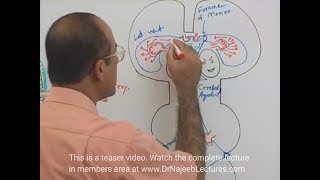
Cerebrospinal Fluid - Neuroanatomy
Comprehensive exploration of cerebrospinal fluid in neuroanatomy, covering its production, circulation, and functions within the central nervous system.
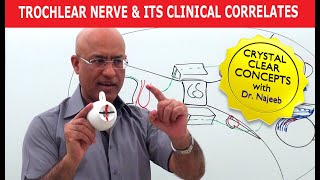
Trochlear Nerve and Its Clinical Correlates - Neuroanatomy
Comprehensive exploration of the trochlear nerve's anatomy, function, and clinical significance in neuroanatomy. Covers key aspects for medical students and healthcare professionals.