
Your Body Needs Zinc
Explore zinc's vital role in health, its deficiency symptoms, dietary sources, and interactions with other minerals. Learn about zinc's enzymatic functions and importance in bodily processes.

Your Body Needs Minerals - Diet and Nutrition
Explore the essential role of minerals and trace elements in nutrition, their differences from vitamins, and how they support bodily functions and metabolism for optimal health.
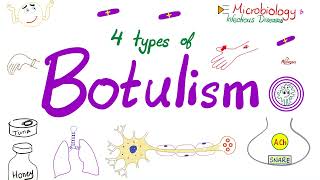
Four Types of Botulism - Food-Borne Botulism, Infant Botulism, Wound Botulism & Inhalation Botulism
Explore the four types of botulism, including causes, symptoms, and treatments. Learn about the neurotoxin's effects and its medical applications in cosmetic procedures.
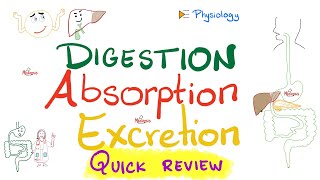
Gastrointestinal Physiology - The Ultimate Quick Review
Comprehensive overview of GI physiology, covering processes from chewing to elimination. Explores digestive organs, enzymes, hormones, and key physiological mechanisms for optimal understanding.
Microbiology with Picmonic - Shigella, EHEC, HUS, Yersinia Enterocolitica & Pestis
Explore key bacterial pathogens: Shigella, EHEC, and Yersinia species. Learn about their characteristics, associated diseases, and clinical implications in this comprehensive microbiology lecture.

DNA, RNA - mRNA, tRNA, rRNA, and the Genetic Code - Molecular Biology
Comprehensive overview of DNA, RNA, and genetic code, covering structure, function, and key concepts in molecular biology. Ideal for students seeking in-depth understanding of cellular genetics.

Ventilation, Compliance and Lung Pressures - Respiratory Physiology - Pulmonology
Comprehensive exploration of respiratory mechanics, covering lung volumes, capacities, pressures, and compliance. Ideal for medical students and healthcare professionals studying pulmonary physiology.
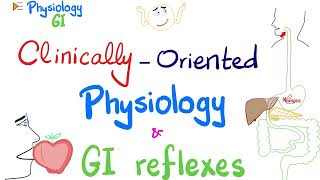
Pathophysiology of Gastrointestinal Diseases and Gastrointestinal Reflexes
Explore gastrointestinal pathophysiology and reflexes, focusing on digestive system disorders, liver and pancreas function, and conditions like lactose intolerance and vomiting.

Vitamins Quick Review - Diet & Nutrition - Biochemistry
Comprehensive overview of 13 essential vitamins, covering water-soluble and fat-soluble types, their sources, functions, and importance in nutrition and biochemistry.
Vomiting - How Does It Protect You?
Explore the protective function of vomiting, its reflex mechanism, and the role of the chemotactic trigger zone in the medulla. Learn about antiemetics and related gastrointestinal physiology.

How DNA Repairs Itself - Proofreading, Oncogenes, Tumor Suppressor Genes, Mismatch, Excision Repair
Explore DNA repair mechanisms including proofreading, oncogenes, tumor suppressor genes, and various repair processes. Gain insights into genetic stability and cancer prevention.
Clostridium Botulinum Characteristics - Microbiology and Infectious Diseases
Explore Clostridium botulinum's characteristics, its role in botulism, and the mechanism of botulinum toxin in inhibiting acetylcholine release, causing flaccid paralysis.

DNA Replication in Prokaryotes and Eukaryotes - Molecular Biology and Biochemistry
Detailed exploration of DNA replication in prokaryotes and eukaryotes, covering key structures, processes, and differences between organisms. Ideal for molecular biology enthusiasts.
The Colon and The Defecation Reflex - Gastrointestinal Physiology
Explore colon anatomy and the defecation reflex in this comprehensive gastrointestinal physiology video, covering key structures and mechanisms of the large intestine.
Telomeres, Centromeres, Telomerase, Heterochromatin, Euchromatin, Histones - Molecular Biology
Explore key concepts in molecular biology: telomeres, centromeres, telomerase, heterochromatin, euchromatin, and histones. Learn their roles in DNA structure, aging, and cancer pathogenesis.
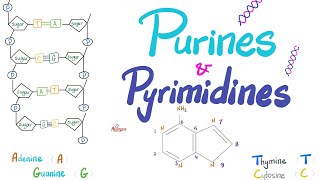
Purines, Pyrimidines, Nucleotides, Nucleosides, DNA, RNA, Denaturation & Annealing
Comprehensive overview of nucleic acid biochemistry, covering structure and function of DNA/RNA components, and processes like denaturation and annealing. Essential for understanding genetics and molecular biology.

DNA Structure and Function - Nucleosides and Nucleotides - Biochemistry and Biology
Explore DNA structure, nucleosides, and nucleotides, focusing on pentose sugars and nitrogenous bases. Gain insights into biochemistry and molecular biology fundamentals.
Bilirubin Metabolism and Jaundice - Gastrointestinal Physiology and Pathology
Comprehensive overview of bilirubin metabolism and jaundice, covering types, causes, and physiological processes. Ideal for medical students seeking in-depth understanding of gastrointestinal pathology.
Clostridium Tetani Characteristics - Tetanospasmin- Paralysis - Microbiology and Infectious Disease
Explore Clostridium tetani's characteristics, tetanospasmin's role in causing spastic paralysis, and its impact on infectious disease. Gain insights into this gram-positive rod's pathogenesis and clinical significance.

Urine Osmolality and Urine Osmolar Gap - ADH, Labs, Clinical Pathology and Pathophysiology
Explore urine osmolality, osmolar gap, and antidiuretic hormone's role in clinical pathology. Learn about supraoptic nucleus, paraventricular nuclei, and vasopressin receptors for enhanced lab interpretation skills.

DNA & RNA - Molecular Biology
Explore DNA and RNA structure, including nucleotides, base pairing, and their roles in genetic information storage and transfer. Gain insights into molecular biology fundamentals.