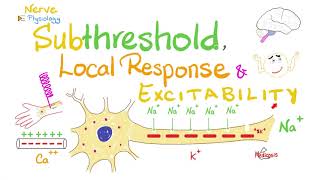
Subthreshold Stimulus, Local Response, Catelectrotonus, Anelectrotonus - Nerve Physiology
Explore nerve physiology concepts like subthreshold stimulus, local response, and electrotonic potentials. Learn about refractory periods and the all-or-none law in neural signaling.

Action Potential - Most Comprehensive Explanation - Nerve Physiology
Comprehensive explanation of action potential in nerve physiology, covering depolarization, repolarization, and hyperpolarization, with a focus on key concepts and mechanisms.
Picmonic Microbiology - Viridans, Streptococcus Pyogenes, Agalactiae, Bovis, Enterococci
Explore key gram-positive bacteria: Viridans, Streptococcus pyogenes, agalactiae, bovis, and Enterococci. Learn their characteristics, clinical significance, and diagnostic features through animated mnemonics.
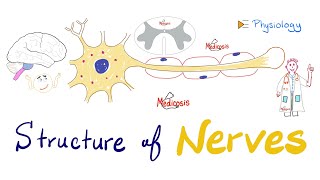
Structure of Neurons - Nerve Physiology
Explore neuron structure and nerve physiology, focusing on action potentials. Learn about the nervous system's components and their functions in this comprehensive overview.
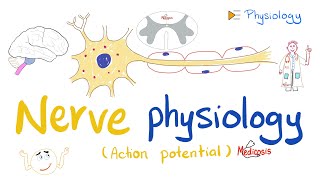
Nerve Physiology - Introduction to the Action Potential
Explore nerve physiology and the action potential in this comprehensive introduction, covering key concepts and mechanisms of neural signaling and communication.

Neurulation - Neural Tube & Neural Crest
Comprehensive exploration of neurulation, covering neural tube and neural crest formation in embryonic development. Builds on previous topics like gastrulation and blastulation.
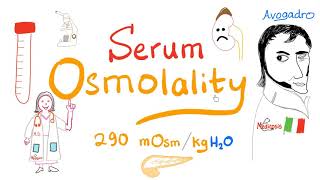
Serum Osmolality - What Is the Osmolarity of Your Plasma?
Explore serum osmolality, its measurement, and clinical significance. Understand osmolality vs. osmolarity, dehydration, tonicity, and related concepts for improved patient care.
Picmonic Microbiology - Part 3
Explore key bacterial pathogens through animated mnemonics, focusing on Staphylococcus species. Enhance microbiology knowledge with engaging visuals and a comprehensive quiz.

Control of the Autonomic Nervous System - Baroreceptors, Juxtaglomerular
Explore autonomic nervous system control, baroreceptors, and juxtaglomerular apparatus. Learn about receptor types, agonists, antagonists, and blood pressure regulation mechanisms.
Microbiology Picmonic - Part 2
Explore key Clostridium species: tetani, difficile, botulinum, and perfringens. Learn their characteristics, effects, and treatments through animated mnemonics.

Microbiology - Introduction
Explore key microorganisms like Actinomyces, Listeria, and Nocardia in this introductory microbiology lesson. Learn classification, characteristics, and clinical relevance of these bacteria.

Vitamin B5 - Pantothenic Acid
Explore the essential role of Vitamin B5 in fatty acid metabolism and CoA formation. Learn about its functions, sources, and importance for overall health and energy production.
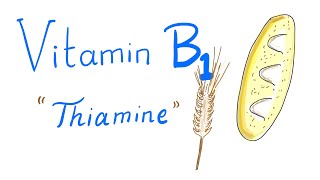
Vitamin B1 - Thiamine: Whole Grain
Explore vitamin B1's role in metabolism, sources, and deficiency effects. Learn about thiamine's functions, biochemistry, and clinical significance in this comprehensive overview.
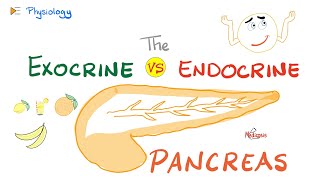
Pancreatic Enzymes and Hormones - Exocrine vs Endocrine - Gastrointestinal Physiology Lectures
Comprehensive overview of pancreatic function, exploring exocrine and endocrine roles, digestive enzymes, and hormones like insulin and glucagon. Ideal for medical students and professionals.
CRISPR 2.0 and the Future of Gene Therapies
Exploring CRISPR 2.0's advancements in gene therapy, challenges in implementation, and future opportunities for startups in the field of genetic engineering and precision medicine.
Carl Sagan Lecture Series - Introduction to Planetary and Earth Science
Explore planetary science through Carl Sagan's vision, covering NASA missions, Earth's atmosphere, climate change, and space exploration. Gain insights from a NASA scientist on Sagan's enduring influence.
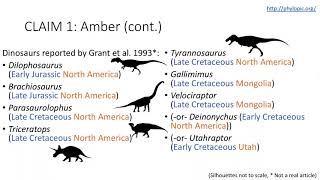
Dissecting Jurassic Park's Dinos
Explore the scientific accuracy of Jurassic Park's dinosaurs with paleontologist Ryan Haupt, examining what the movies got right and wrong about these prehistoric creatures.

Mendelian Genetics
Explore Mendelian genetics, including Mendel's laws, genetic problem-solving, and the ethical implications of advancing genetic knowledge in this informative video.

History of Neuroscience - Sydney Brenner Interview
Explore the life and groundbreaking discoveries of Nobel Laureate Sydney Brenner in neuroscience, genetics, and molecular biology through an in-depth autobiographical interview.
History of Neuroscience - Vernon Mountcastle's Contributions
Explore the life and groundbreaking discoveries of Vernon Mountcastle, a pioneering neuroscientist who revolutionized our understanding of the brain's modular organization and somatic sensory system.
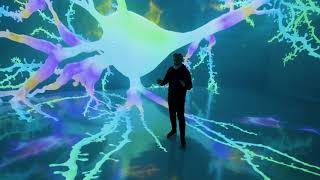
Life of a Neuron - Exploring the Human Brain Through Art and Science
Immersive exhibit exploring the human brain through art and science, bridging neuroscience with innovative technology for a unique, interactive learning experience.