
Phases of Mitosis
Explore the stages of cell division through a detailed explanation of mitosis phases, from interphase to metaphase, enhancing your understanding of cellular biology.

Dendrites: Why Biological Neurons Are Deep Neural Networks
Explore how individual neurons function like deep neural networks, examining their complex information processing capabilities and the physiological mechanisms behind their computational complexity.

Theta Rhythm - A Memory Clock
Explore the theta rhythm's role in memory encoding and retrieval. Learn about its generation, functions, and impact on brain activity, including integrated representations and sequential organization.

Neural Manifolds - The Geometry of Behaviour
Explore the geometry of behavior through neural manifolds, combining topology and neuroscience to understand high-dimensional information in neural circuits. Gain insights into brain function using intuitive explanations.

Golgi Apparatus Structure & Function
Comprehensive exploration of Golgi apparatus structure and function, featuring detailed explanations and animations to enhance understanding of this crucial cellular organelle.

Flow Volume Loops - Pulmonary Medicine
Comprehensive exploration of flow-volume loops in pulmonary medicine, distinguishing obstructive and restrictive lung diseases through respiratory physiology analysis.

Lung Pressures - Intrapulmonary, Intrapleural and Transmural Pressures - Lung Physiology
Explore lung pressures, including intrapulmonary, intrapleural, and transmural pressures. Understand their roles in breathing mechanics and impact on venous return to the heart.

Lung Physiology Basics - Normal Quiet Breathing
Explore lung mechanics, including inspiration and expiration processes, muscle actions, and pressure changes during normal quiet breathing. Learn key concepts in pulmonary physiology.
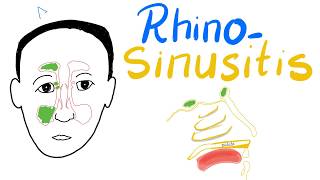
Rhinosinusitis - Clinical Picture, Diagnosis and Management + Cases
Comprehensive overview of rhinosinusitis, covering clinical presentation, diagnostic approaches, and management strategies. Includes case studies for practical application of knowledge.

Water and Body Fluid Compartments
Explore water distribution in the body, focusing on intracellular and extracellular fluids, plasma, and interstitial space. Learn about edema and effective arterial blood volume.

Mast Cells in Allergic Asthma - Anaphylactic Shock
Comprehensive exploration of mast cells' role in allergic asthma and anaphylactic shock, detailing immune responses, mediator release, and physiological effects in various allergic reactions.
Causes of Hydrocephalus - What Is Going on in the Brain - Dr Najeeb
Comprehensive overview of hydrocephalus causes, including CSF overproduction, circulation abnormalities, and blockages. Explores various factors affecting cerebrospinal fluid dynamics in the brain.
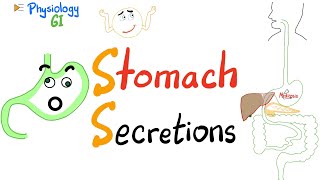
What Your Stomach Makes - Gastric Secretions - GI Physiology
Comprehensive exploration of gastric secretions, covering exocrine and endocrine functions, acid production mechanisms, and related physiological processes in the stomach.
Picmonic Microbiology - Campylobacter Jejuni, Vibrio Cholera, E.Coli Klebsiella
Animated mnemonics for key bacterial pathogens: Campylobacter jejuni, Vibrio cholera, E. coli, and Klebsiella pneumoniae. Learn their characteristics, virulence factors, and clinical presentations through engaging visual aids.
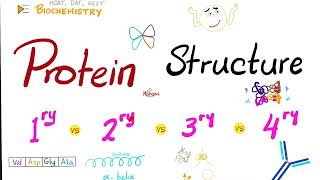
Protein Structure - Primary, Secondary, Tertiary, and Quaternary - Biochemistry
Explore protein structures from primary to quaternary levels, understanding their formation, characteristics, and roles in biochemistry and molecular biology.

Digestive System Mechanics - Digestion and Absorption
Explore the mechanics of digestion and absorption, covering gastrointestinal tract physiology, biochemistry, and common digestive issues. Learn about mechanical and chemical digestion processes.

The Gram-Positive Bacteria - Microbiology and Infectious Diseases
Explore Gram-positive bacteria, focusing on Staphylococci and Streptococci. Learn key characteristics, clinical relevance, and diagnostic features of these important pathogens in microbiology and infectious diseases.

Innate Immunity vs Adaptive Immunity - Complement System - Physiology Lectures Series
Comprehensive overview of innate and adaptive immunity, focusing on the complement system and its pathways. Explores key mechanisms of the body's defense against pathogens.
Picmonic Microbiology - Bacillus Anthracis, Bacillus Cereus, Mycobacteria
Explore key bacterial pathogens: Bacillus anthracis, B. cereus, and Mycobacteria. Learn their characteristics, associated diseases, and clinical presentations through animated mnemonics.

Muscle Contraction - Slow-Twitch vs Fast-Twitch - Isometric vs Isotonic - Muscle Physiology
Comprehensive overview of muscle physiology, covering contraction types, fiber differences, and structural components. Explores factors affecting muscle performance and efficiency.
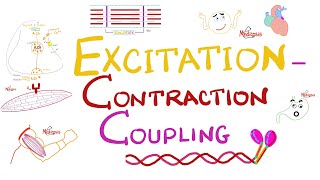
Excitation-Contraction Coupling - Muscle Physiology
Comprehensive exploration of muscle physiology, covering types, structures, and mechanisms of excitation-contraction coupling, with emphasis on key components and processes.