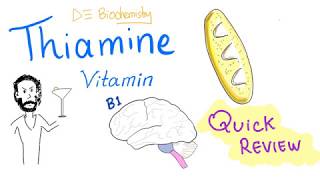
Thiamine - Vitamin B1 Quick Review
Comprehensive overview of Vitamin B1's role in metabolism, its deficiency symptoms, and related syndromes. Covers biochemical functions, clinical manifestations, and metabolic implications of thiamine.
Prime Time Alive - Charting the Course of Cardiac Diets
Explore cardiac diets, from Atkins to Mediterranean, and learn about dietary guidelines, healthy patterns, and heart-healthy recommendations for older Americans.
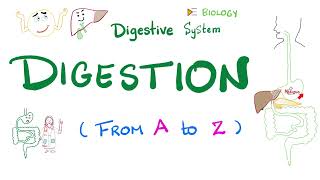
Digestion - Ultimate Review - From A to Z
Comprehensive review of the digestive system, covering anatomy, physiology, and key processes. Ideal for medical students and healthcare professionals seeking in-depth understanding of gastroenterology.

Titration of Amino Acids - pH, pKa1 and pKa2 - Amino Acids
Explore amino acid titration, pH, pKa1, and pKa2 concepts. Learn about glycine, glutamic acid, and lysine titration curves, enhancing understanding of amino acid properties and behavior.
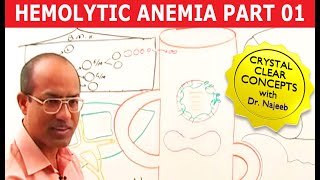
Hemolytic Anemia - Hematology - Part 1
Comprehensive exploration of hemolytic anemia, covering causes, symptoms, and consequences. Explains intravascular and extravascular hemolysis, classification, and potential complications like gallstones and pulmonary hypertension.

Red Blood Cells - RBC - Erythrocytes - Erythropoiesis - Hematology
Comprehensive exploration of red blood cells, covering development, structure, function, and clinical relevance. Delves into erythropoiesis, hemoglobin, and related hematological concepts.

Digestion and Absorption in the Small Intestines
Explore small intestine digestion and absorption processes, including pancreatic function, nutrient absorption mechanisms, and common digestive disorders like lactose intolerance.

White Blood Cells, Platelets and Hemoglobin
Comprehensive overview of white blood cells, platelets, and hemoglobin, covering their functions, characteristics, and related disorders in hematology.
Interfaces Between Atomically Precise Metal Nanoparticles and Biomolecules - Prospects and Challenges
Exploring interfaces between precise metal nanoparticles and biomolecules, discussing prospects and challenges in nanoparticle assembly for functional materials at the mesoscale.
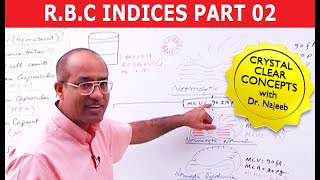
RBC Indices: Hemoglobin, Hematocrit, MCV, MCH, and MCHC - Part 2
Comprehensive exploration of red blood cell indices, including hemoglobin, hematocrit, MCV, MCH, and MCHC. Learn to interpret these values for diagnosing and differentiating types of anemia.
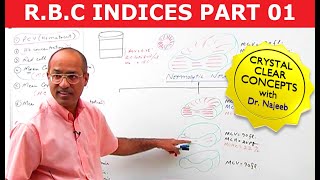
RBC Indices: Hemoglobin, Hematocrit, MCV, MCH, and MCHC - Part 1
Comprehensive explanation of red blood cell indices, including hemoglobin, hematocrit, MCV, MCH, and MCHC. Learn to interpret these values for diagnosing different types of anemia.

RBC Indices and Anemia: Understanding Hemoglobin, MCV, MCH, MCHC, and RDW
Comprehensive exploration of red blood cell indices, including MCV, MCH, MCHC, and RDW, essential for understanding anemia and hemoglobin-related disorders in hematology.

Hepatocytes and Portal Vein in Liver Histology
Comprehensive exploration of hepatocyte structure and function, including their role in metabolism, detoxification, and protein synthesis. Detailed examination of portal vein anatomy in liver histology.

Insulin and Glucose Transporters - Explained
Comprehensive explanation of insulin's role and glucose transport mechanisms in the body, covering key concepts and physiological processes for medical students and professionals.

Insulin Function, Types, Synthesis, Secretion, and Regulation in Diabetes
Comprehensive exploration of insulin's role in the body, covering its synthesis, secretion, regulation, and connection to diabetes. Ideal for medical students and healthcare professionals.

Treatment of Diabetes - Update and Physiologic Approach
Explore the latest updates and physiological approaches to diabetes treatment with insights from an endocrinology expert at the University of Iowa Hospitals & Clinics.
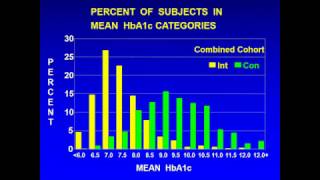
Treatment of Diabetes - Update and Physiologic Approach
Comprehensive update on diabetes treatment, focusing on physiological approaches and latest advancements in endocrinology, presented by a specialist from University of Iowa Hospitals & Clinics.
Nephrology & Biochemistry Cases for USMLE
Explore high-yield nephrology and biochemistry cases for USMLE, covering metabolic acidosis, nephrotic syndrome, and more. Enhance your understanding of key concepts for board exams.
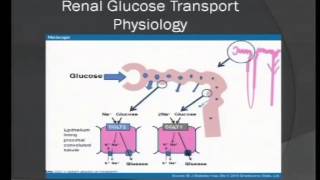
Endocrinology Pearls - 4/30/14
Explore key insights in endocrinology and metabolism with Dr. Almokayyad, covering essential concepts and recent advancements in the field for medical professionals.
Metabolites: The Key to Treating Alzheimer's?
Explore the role of metabolites in aging, Alzheimer's, and long-COVID. Learn how these small molecules influence protein function and their potential in developing treatments for age-related neurodegenerative diseases.

Absorption - How You Benefit From What You Eat
Explore the digestive system's process of breaking down and absorbing nutrients from carbohydrates, fats, and proteins, enhancing your understanding of how food benefits your body.