
Antibody Therapeutics and Pathways to Prevention
Explore cutting-edge antibody therapeutics and prevention strategies for COVID-19 with experts from Rockefeller University, discussing ongoing research and clinical efforts to combat the pandemic.
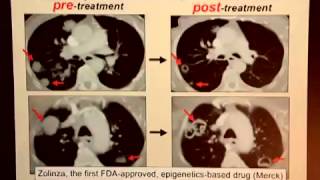
Science 101 for Parents - How Epigenetics is Revolutionizing the Understanding of Heredity
Explore how epigenetics revolutionizes our understanding of heredity, gene function, and its impact on evolution, health, and disease treatment, with insights from biochemist David Allis.

History of Neuroscience - Julius Axelrod
Explore the life and groundbreaking discoveries of Nobel laureate Julius Axelrod in this archival interview, offering insights into his contributions to biochemistry and neuroscience.
What Might Life Be Like Beyond Earth and How Will We Recognize It? - AbSciCon22 Roundtable 1
Explore potential forms of extraterrestrial life and methods for its detection with experts in astrobiology, discussing diverse environments, biosignatures, and future research directions.
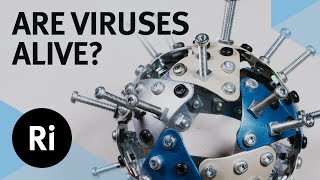
Are Viruses Alive? Exploring the Boundaries of Life
Explore the fascinating boundary between life and non-life as Carl Zimmer delves into the nature of viruses, challenging our understanding of what it means to be alive.

The Science of Weight Loss: Debunking Calorie Myths
Obesity researcher Giles Yeo challenges conventional wisdom on calorie counting, exploring the science behind diets, environmental factors affecting weight, and why popular weight loss methods often fail long-term.
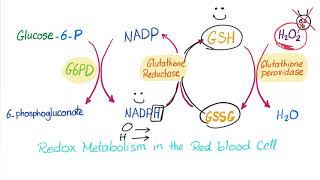
Glucose-6-phosphate Dehydrogenase Enzyme
Explore the G6PD enzyme's role in red blood cell metabolism, its deficiency, and associated hemolytic anemia. Learn about triggers, symptoms, diagnosis, and management of this genetic disorder.
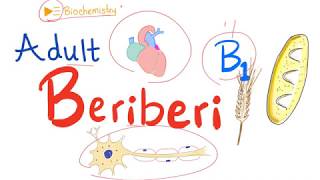
Adult Beriberi - Biochemistry
Explore the biochemistry of adult beriberi, including its causes, symptoms, and treatment options. Gain insights into thiamine deficiency and its impact on the body.

Vitamin B3 - Niacin Enzymology - NAD and NADP
Explore the enzymology of Vitamin B3 (Niacin), focusing on NAD and NADP. Learn about their roles in metabolism, energy production, and cellular processes, enhancing your understanding of biochemistry.
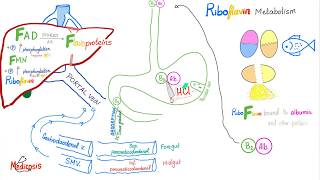
Vitamin B2 - Riboflavin as an Enzyme Cofactor
Explore the role of Vitamin B2 (Riboflavin) as an enzyme cofactor, understanding its importance in metabolic processes and overall health.
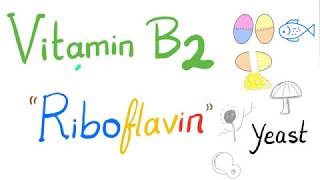
Riboflavin - Vitamin B2
Explore the essential role of Riboflavin (Vitamin B2) in metabolism, its sources, and its function as a cofactor for enzymes. Learn about this water-soluble vitamin's importance in nutrition and biochemistry.

The Endocrine Pancreas - Insulin, Glucagon & Somatostatin
Explore pancreatic hormones: insulin, glucagon, and somatostatin. Learn about islet cells, their functions, and roles in regulating blood glucose levels. Ideal for medical exam preparation.
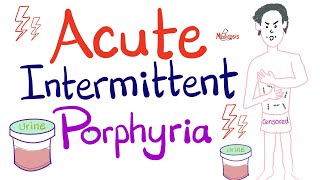
Acute Intermittent Porphyria - Disorders of Heme Synthesis - Biochemistry & Hematology
Explore the genetic disorder Acute Intermittent Porphyria, its symptoms, and treatment. Learn about heme synthesis defects, neuropsychiatric manifestations, and diagnostic indicators.
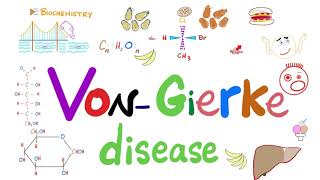
Von-Gierke Disease - Glycogen Storage Disease Type I
Explore Von-Gierke Disease, a rare genetic disorder affecting glucose metabolism. Learn about its biochemistry, genetics, symptoms, and impact on carbohydrate processing in the body.
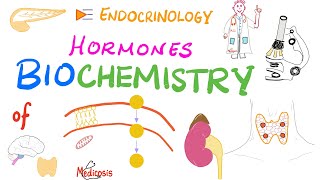
Hormone Biochemistry - Genomic vs Non-Genomic Actions
Explore lipid-soluble and water-soluble hormones, their receptors, and mechanisms of action. Gain insights into genomic and non-genomic hormone effects on cellular processes.

Your Body Needs Minerals - Diet and Nutrition
Explore the essential role of minerals and trace elements in nutrition, their differences from vitamins, and how they support bodily functions and metabolism for optimal health.
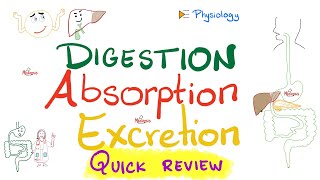
Gastrointestinal Physiology - The Ultimate Quick Review
Comprehensive overview of GI physiology, covering processes from chewing to elimination. Explores digestive organs, enzymes, hormones, and key physiological mechanisms for optimal understanding.

Vitamins Quick Review - Diet & Nutrition - Biochemistry
Comprehensive overview of 13 essential vitamins, covering water-soluble and fat-soluble types, their sources, functions, and importance in nutrition and biochemistry.

How DNA Repairs Itself - Proofreading, Oncogenes, Tumor Suppressor Genes, Mismatch, Excision Repair
Explore DNA repair mechanisms including proofreading, oncogenes, tumor suppressor genes, and various repair processes. Gain insights into genetic stability and cancer prevention.

DNA Replication in Prokaryotes and Eukaryotes - Molecular Biology and Biochemistry
Detailed exploration of DNA replication in prokaryotes and eukaryotes, covering key structures, processes, and differences between organisms. Ideal for molecular biology enthusiasts.
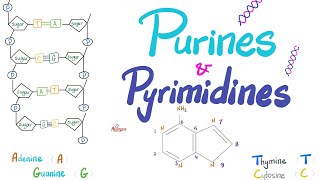
Purines, Pyrimidines, Nucleotides, Nucleosides, DNA, RNA, Denaturation & Annealing
Comprehensive overview of nucleic acid biochemistry, covering structure and function of DNA/RNA components, and processes like denaturation and annealing. Essential for understanding genetics and molecular biology.