
The Gram-Positive Bacteria - Microbiology and Infectious Diseases
Explore Gram-positive bacteria, focusing on Staphylococci and Streptococci. Learn key characteristics, clinical relevance, and diagnostic features of these important pathogens in microbiology and infectious diseases.
Picmonic Microbiology - Viridans, Streptococcus Pyogenes, Agalactiae, Bovis, Enterococci
Explore key gram-positive bacteria: Viridans, Streptococcus pyogenes, agalactiae, bovis, and Enterococci. Learn their characteristics, clinical significance, and diagnostic features through animated mnemonics.

Microbiology - Introduction
Explore key microorganisms like Actinomyces, Listeria, and Nocardia in this introductory microbiology lesson. Learn classification, characteristics, and clinical relevance of these bacteria.
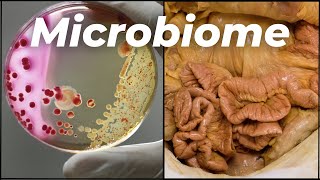
The Bacteria That Live Inside of You - The Microbiome
Explore the fascinating world of microbes living inside your body, their impact on health, and how to nurture a stronger microbiome through diet, lifestyle, and understanding their origins.
Staph Aureus Quick Review - Microbiology and Infectious Diseases
Comprehensive overview of Staphylococcus aureus, covering its microbiology, pathogenesis, clinical manifestations, diagnosis, and treatment strategies for infectious disease management.

Staphylococcus Aureus Lab - Diagnosis and Treatment - Microbiology and Infectious Diseases
Comprehensive overview of Staphylococcus aureus laboratory diagnosis and treatment methods, covering gram staining, culture techniques, and antibiotic options for healthcare professionals and students.
Current Antibiotic Management of Multi-Drug Resistant Gram-Negative Bloodstream Infections
Explore management strategies for multi-drug resistant Gram-negative bloodstream infections, including classification, resistance mechanisms, surveillance, and new antibiotics.
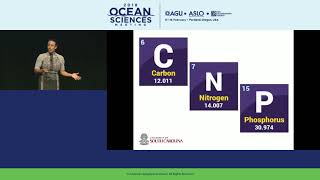
Ocean Sciences - From Molecular to Global Scales and Biological Propulsion - Plenary Lectures
Explore oceanic biogeochemistry and biological propulsion with expert lectures on nutrient cycles, particle flux, and innovative marine engineering applications.
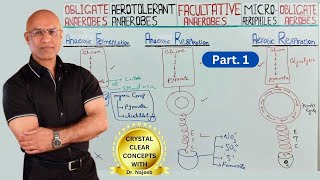
Aerobic and Anaerobic Bacteria - Bacterial Oxygen Requirements - Part 1
Comprehensive exploration of bacterial oxygen requirements, covering obligate anaerobes, aerotolerant anaerobes, facultative anaerobes, and obligate aerobes. Discusses metabolic processes and adaptations of different bacterial types.
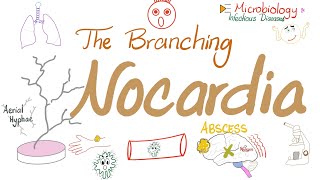
Nocardia: Characteristics and Clinical Significance - Microbiology Series
Explore Nocardia bacteria: characteristics, impact on immunocompromised patients, and distinctions from related species. Learn about their unique properties and clinical significance in microbiology.
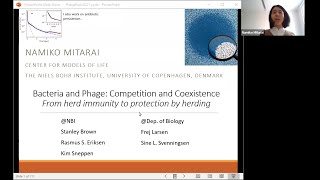
Bacteria and Phage: Competition and Coexistence
Explore bacterial-phage dynamics, competition, and coexistence in ecosystems through cutting-edge research and ecological insights.
Shell-ebrating Symbiosis - Microbial Partnerships Across the Phylum Mollusca
Explore mollusks' symbiotic relationships with microbes, uncovering crucial survival adaptations and a Colorado snail case study on gut microbiome interactions.
Prokaryotic Cell Structure and Function
Explore prokaryotic cell structure and function, understanding key components and their roles in these simple yet essential organisms.
Introduction to Microbiology - Section A
Explore the fundamentals of microbiology, covering key concepts and principles in this concise introductory overview.
The Real Reason the Sky is Blue
Discover how bacteria contribute to the sky's blue color, offering a fascinating alternative to the traditional Rayleigh scattering explanation for curious minds.
Heteroresistance: Mechanisms, Diagnosis and Clinical Implications
Explore heteroresistance in bacteria: mechanisms, diagnosis, and clinical impact. Experts discuss its overlap with persistence and tolerance, implications for antibacterial use, and potential for improved treatment strategies.
Transport Properties in Intermittent Active Matter
Explore optimal strategies for maximizing diffusivity in intermittent active motion across scales, from bacteria to sheep and artificial colloidal systems.
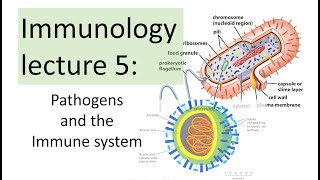
Pathogens and the Immune Response - Lecture 5
Explore pathogen life cycles, immune responses, and defense mechanisms like toll-like receptors, reactive oxygen species, and the complement system in this comprehensive immunology lecture.
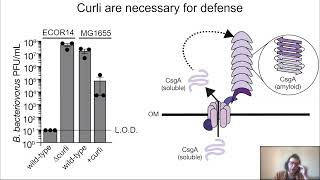
Functional Amyloid Confer Defense Against Predatory Bacteria
Explore how functional amyloid proteins defend against predatory bacteria, focusing on B. bacteriovorus and its infectious life cycle in Gram-negative bacteria.
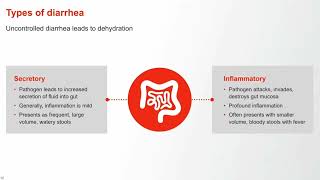
Advances in Diagnostic Testing for Bacteria, Viruses, and Parasites Behind Infectious Gastroenteritis
Explore advances in diagnostic testing for infectious gastroenteritis pathogens. Learn about bacterial, viral, and parasitic causes, and the importance of broad testing for effective disease management and prevention.
Comparative Genomics of Two Common Skin Microbiome Members: CoNS Staphylococcus and Corynebacterium Tuberculostearicum
Explore comparative genomics of skin microbiome, focusing on Staphylococcus and Corynebacterium. Gain insights into bacterial diversity, prevalence, and implications for health and disease.