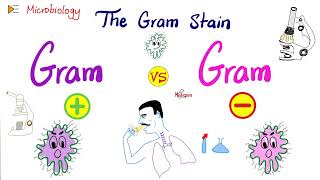
The Gram Stain - Gram-Positive vs Gram-Negative and Bacterial Structure - Microbiology
Explore bacterial structure, Gram staining techniques, and differences between Gram-positive and Gram-negative organisms in this comprehensive microbiology overview.
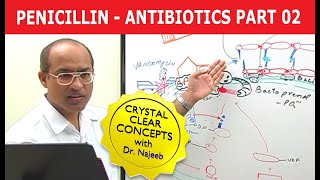
Penicillin and Antibiotics - Part 2
Comprehensive exploration of penicillin and antibiotics, covering cell wall synthesis inhibitors, bacterial structures, mechanisms of action, and various penicillin types, with focus on their spectra and clinical applications.
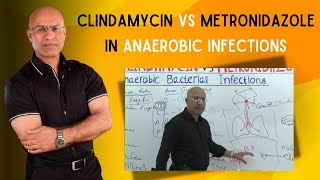
Clindamycin vs Metronidazole for Anaerobic Infections
Comprehensive comparison of clindamycin and metronidazole for treating anaerobic infections, covering bacterial types, microbiota, and infection sites. Ideal for medical students and professionals.

The Gram-Positive Bacteria - Microbiology and Infectious Diseases
Explore Gram-positive bacteria, focusing on Staphylococci and Streptococci. Learn key characteristics, clinical relevance, and diagnostic features of these important pathogens in microbiology and infectious diseases.
Picmonic Microbiology - Viridans, Streptococcus Pyogenes, Agalactiae, Bovis, Enterococci
Explore key gram-positive bacteria: Viridans, Streptococcus pyogenes, agalactiae, bovis, and Enterococci. Learn their characteristics, clinical significance, and diagnostic features through animated mnemonics.
Staph Aureus Quick Review - Microbiology and Infectious Diseases
Comprehensive overview of Staphylococcus aureus, covering its microbiology, pathogenesis, clinical manifestations, diagnosis, and treatment strategies for infectious disease management.

Staphylococcus Aureus Lab - Diagnosis and Treatment - Microbiology and Infectious Diseases
Comprehensive overview of Staphylococcus aureus laboratory diagnosis and treatment methods, covering gram staining, culture techniques, and antibiotic options for healthcare professionals and students.
Nocardia: Characteristics and Clinical Significance - Microbiology Series
Explore Nocardia bacteria: characteristics, impact on immunocompromised patients, and distinctions from related species. Learn about their unique properties and clinical significance in microbiology.
Heteroresistance: Mechanisms, Diagnosis and Clinical Implications
Explore heteroresistance in bacteria: mechanisms, diagnosis, and clinical impact. Experts discuss its overlap with persistence and tolerance, implications for antibacterial use, and potential for improved treatment strategies.