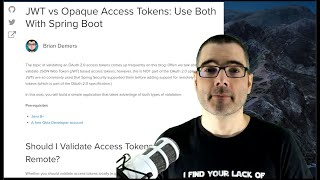
Build a Spring Boot Application Using Opaque and JWT Access Tokens
Learn to implement both JWT and opaque access tokens in a Spring Boot app, gaining benefits from each. Explore code examples and best practices for secure authentication.
How to Configure Multi-Factor Authentication (MFA) with OpenStack Keystone
Learn how to implement and configure Multi-Factor Authentication in OpenStack's Keystone service, including setup steps, integration challenges, and best practices for infrastructure administrators.
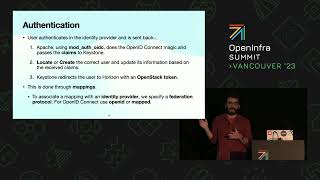
A Complete Guide to OpenID Connect in OpenStack
Master OpenID Connect integration with OpenStack, covering authentication standards, Keystone and Horizon implementation, user management, and real-world deployment insights from 6 years of cloud implementation experience.

Breaching AWS Through Shadow Resources - Critical Vulnerabilities and Security Implications
Uncover critical AWS vulnerabilities and security insights through real-world examples of shadow resource exploitation, featuring detection methods, privilege escalation techniques, and best practices for cloud security.
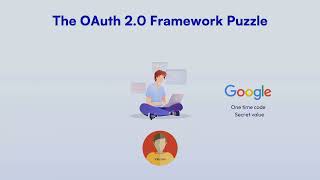
GhostToken - Exploiting Google Cloud Platform to Create Unremovable Trojan Apps
Uncover a critical GCP vulnerability that enables malicious apps to become invisible and unremovable from Google user accounts, exploring OAuth 2.0, exploitation techniques, and security implications.

The Case for Runtime Protection
Runtime protection: inoculating apps against vulnerabilities without changing code. Explores how instrumentation hardens applications, making OWASP Top Ten harder to exploit. Discusses accuracy, performance, and impact on security culture.

Advanced Android Studio Hacking - Part 2
Explore Android device hacking using Android Studio. Learn emulation, user agent tracking, reverse engineering, API tokens, decompilation, and SQL injection techniques.
ASP.NET Core 3 - IdentityServer4: Cookies, Tokens, and Claims Management - Episode 12
Explore cookies, tokens, and claims in ASP.NET Core 3 and IdentityServer4. Learn to configure and manage authentication for secure web applications.
ASP.NET Core 3 - OAuth - Securing the API - Episode 7
Explore securing API resources in ASP.NET Core 3 using OAuth, including access tokens, authorization policies, and HTTP client configuration for secure API access.

Cloud Hacking - Malware Not Needed
Explore cloud hacking techniques without malware, covering state actors, exploitation methods, and initial foothold strategies for offensive security professionals.
Unleash Declarative Data Access with GraphQL
Explore GraphQL's impact on API interactions, deployment patterns, security implications, and integration with existing services. Learn declarative vs programmatic approaches for scalable GraphQL implementation.
Multi-Cloud Workload Identity with SPIFFE
Explore SPIFFE-based workload identity for multi-cloud environments, enhancing security and simplifying API access across different cloud providers without relying on long-lived credentials.
Bringing a Machete to the Amazon: Securing AWS Applications
Explore AWS security challenges, vulnerabilities, and new techniques for assessing and protecting cloud applications. Learn about potential pitfalls and strategies to secure your AWS infrastructure.

ZAP Heads Up Display - Introduction and Demo
Explore OWASP ZAP's new Heads Up Display feature for automated web application security testing. Learn about its capabilities, demo, hidden fields, attack modes, and integration with browser APIs.

Top 10 Security Best Practices for Securing Microservices
Comprehensive guide to securing microservices, covering TLS, authentication, authorization, DDoS protection, monitoring, encryption, and more. Essential for developers and architects building scalable, secure APIs.
Building Cloud-Native Security for Apps and APIs with NGINX
Enhance NGINX with robust security features for apps and APIs. Learn practical methods for visibility, real-time protection, and mitigation of OWASP Top10 threats, bots, and data leakage in cloud environments.
Authorization in Microservices World - Kubernetes, ISTIO and Open Policy Agent
Explore fine-grained authorization in microservices using Open Policy Agent, integrated with Kubernetes and ISTIO. Learn challenges and solutions for enforcing programmatic authorization in cloud-native environments.
Purple Teaming with OWASP PurpleTeam - Security Regression Testing
Explore OWASP PurpleTeam, a security regression testing tool for web apps and APIs. Learn its components, setup, and workflows for early detection of application security defects in build pipelines.
Purple Teaming with OWASP PurpleTeam
Explore OWASP PurpleTeam: a security regression testing tool for web apps and APIs. Learn its journey, architecture, benefits, setup, and various workflows for effective implementation in build pipelines.

OAuth 2.0 and OpenID Connect for Single Page Applications
Explore OAuth 2.0 and OpenID Connect implementation for single-page applications, enhancing security and user authentication in modern web development.
Anatomy of a Cloud Security Breach - 7 Deadly Sins
Explore 7 real cloud security breaches, their attack patterns, and defense strategies. Learn key differences between cloud and on-premise threats, and gain actionable insights to protect your cloud infrastructure.