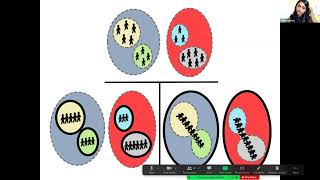
The Cultural Evolution of Cooperative Norms - Sarah Mathew
Explore the cultural evolution of cooperative norms, examining group selection, nested groups, and scale of cooperation. Gain insights into intergroup marriages and broader reflections on collective behavior.
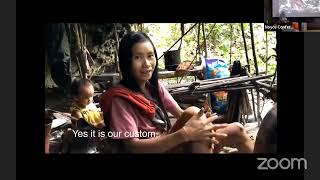
Averting Extinction: Lessons from Borneo's Last Hunter-Gatherers
Explore the unique culture of Borneo's Cave Punan, their message stick communication system, and efforts to preserve their ancestral forests and biodiversity in the face of deforestation and modernization.
The Hobbit of Flores Island: Brain Evolution and Intelligence in Miniature Humans
Explore the discovery of Homo floresiensis, a miniature human species from Indonesia, and its implications for brain evolution and intelligence in human ancestors.
The Peculiar Logic of Human Values
Explore the conceptualization of human value systems, including types, subjectivity vs. objectivity, and their impact on behavior and social interactions.

A Cooperative Species - Altruism, Parochialism, and War
Explore how war and hostility may have shaped human morality through computer simulations of alternative historical trajectories, challenging our understanding of altruism and cooperation.
A Cooperative Species - Evolutionary Origins of Human Altruism - Lecture 1
Explore the evolutionary origins of altruistic cooperation, challenging traditional notions of 'selfish genes' and Homo economicus through archaeological, genetic, and climatic evidence.
The Rise of the Speaking Machine - Human Language Evolution
Explore the fascinating journey of human language evolution, from its origins to modern complexities, with insights into cognitive development and cultural impacts.
The Decline of Classic Maya Civilization - A Systems Perspective
Explore the systemic factors behind the decline of Southern Maya Lowlands cities around 800 AD, challenging previous collapse theories and examining new archaeological and environmental insights.
The Ecological Human - Understanding Human Impacts on Ecosystems
Explore how humans impact ecosystems through interactions with other species, and how ecological network science can inform sustainable resource use and consumption.
Cultural Contingency and Gene-Culture Coevolution - 2013
Explore gene-culture coevolution and its impact on human evolution, examining how cultural practices interact with genetic inheritance to shape populations over time.
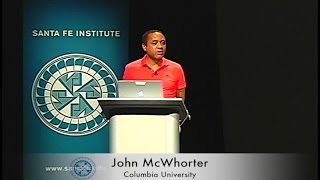
The Language Hoax: Debunking Linguistic Determinism
Debunking the myth that language shapes worldview, John McWhorter explores how this belief can lead to dangerous cultural assumptions and emphasizes our shared human experiences.
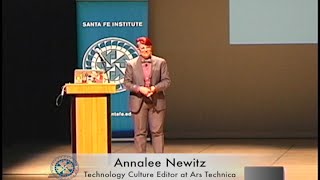
The Urban Species - How Domesticated Humans Evolved
Explore the evolutionary impact of urbanization on humans, comparing modern megacities to Neolithic settlements and examining potential future changes in our civilization.

Reading Ancient Minds: Metaphor, Culture, and Complexity
Explore how cognitive science and archaeology reveal the impact of conceptual metaphors on human societies, challenging traditional views on cultural influence throughout history.

Framing the Rise and Variability of Past Complex Societies
Explore principles of complexity in ancient civilizations, examining societal development, scale, and variability through archaeological and anthropological perspectives.
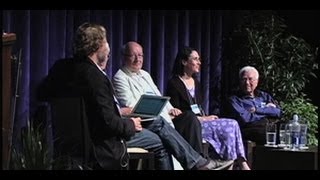
Complexity: Life, Scale, and Civilization
Explore the nature of complexity across scales, from genes to civilizations, with leading thinkers discussing fundamental questions about the universe, life, and human existence.
Why We Come to the Aid of Our Friends - An Evolutionary Puzzle
Explore the evolutionary puzzle of unconditional friendship, its benefits, and how humans avoid exploitation. Discover the origins, cultural variations, and comparisons to social ties in other species.
Steps Toward a Cognitive Science of Prehistory
Exploring cognitive science in prehistory through metaphors, cultural evolution, and archaeological evidence from Mesa Verde society, pottery, and linguistic patterns.

Revealing Patterns in the Longue Durée - Native American Population Dynamics
Exploring long-term patterns in Native American history, focusing on population changes, agriculture, conflict, and cultural exchange in the American Southwest.
The Evolution of the Human Family
Explore the evolutionary history of human family structures and their impact on society with insights from anthropology and complex systems research.
Does Culture Evolve? - Challenging Evolutionary Theory in Historical Processes
Explore the concept of cultural evolution, its validity, and challenges in applying evolutionary theory to historical processes. Gain insights into anthropology and cultural change.
Diverse Intelligence - From Human Minds to Complex Systems
Exploring diverse forms of intelligence: from human evolution to complex systems and future discoveries. Experts discuss biological, artificial, and collective intelligence across species and technologies.