Forensic Archaeology and Anthropology MOOC Support Videos
Learn techniques for creating osteological profiles, including sex determination, age estimation, stature calculation, and skeletal pathology analysis in forensic contexts.

Anthropology
Explore human population dynamics, from evolutionary origins to modern demographic transitions, examining fertility, mortality, and environmental impacts across cultures and time periods.
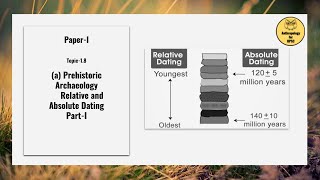
Archaeological Anthropology
Explore prehistoric archaeology, dating methods, and cultural evolution from Stone Age to Iron Age in this comprehensive examination of human history and technological advancements.
Archaic Admixture in Human History - Next in Evolution
Exploring human evolution through genetic analysis, focusing on interbreeding with archaic species like Neanderthals and Denisovans, and its impact on modern human DNA and health risks.

Qualitative Research Methods
Explore diverse qualitative research techniques including literature reviews, content analysis, ethnography, interviews, focus groups, and usability testing to enhance your research skills.
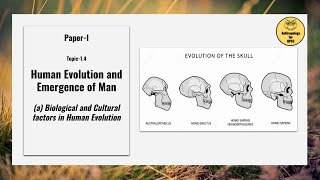
Physical Anthropology
Comprehensive exploration of human evolution, genetics, and biological adaptations. Covers key theories, fossil evidence, and modern applications in anthropology and genetics.
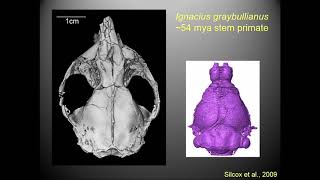
Why So Big? Understanding the Early Evolution of the Brain in Primates
Explore primate brain evolution through fossils and CT scans. Dr. Silcox examines why primates developed large brains, using advanced imaging to study ancient specimens and compare with modern species.
Daniel Lieberman on Evolution and Exercise - The Science of Human Endurance
Explore human evolution, endurance, and exercise with Daniel Lieberman. Discover how our unique physiology shaped our species' success and impacts modern health, aging, and physical activity habits.
Anthropology & Its Branches
Explore the meaning, scope, and development of anthropology, its relationships with other disciplines, and the main branches and their relevance.

The Future of Human Evolution - What Darwin Didn't Know
Explore the potential future of human evolution, from larger heads to robotic implants, as science takes over from nature. Discover how technology and medicine could shape our species' development.
Anthropology - Complete
Comprehensive exploration of anthropological concepts, theories, and applications for UPSC exam preparation, covering biological, cultural, linguistic, and applied aspects of the field.

Evolutionary Forces in Humans and Pathogens - Natural Selection and Genomic Studies
Explore genomic evolution in humans and pathogens, focusing on natural selection, adaptive traits, and disease-causing microbes. Learn about cutting-edge research methods and their public health implications.
DNA - Mammoths, Neanderthals, and Your Ancestors
Explore ancient DNA's role in understanding human evolution, from mammoths to Neanderthals, with leading experts discussing genetic research, anthropology, and the implications for our ancestral history.
Genetic Prediction of Traits and Diseases Across Diverse Populations - Next in Evolution
Exploring genetic prediction of traits and diseases across diverse populations, focusing on innovative research in evolution, genetic adaptations, and cross-disciplinary approaches to understanding human genetics.

AI, Archaeology, and Archives - How Data Science is Helping to Reveal Past Epidemics
Exploring malaria's impact through data science, integrating archaeological, historical, and genetic datasets to reveal socio-political influences on disease spread over the last 300 years.
Stanford Seminar - TechFail: From Intersectional Inaccessibility to Inclusive Design
Exploration of gaming technology accessibility, highlighting issues and potential solutions. Discusses inclusive design approaches and the impact on marginalized users, drawing from a decade-long ethnography.
From Ape to Human - Evolution of Violence and Fertility
Explore human violence, warfare, and fertility patterns throughout history, comparing them to other great apes and examining their impact on population growth and societal development.
Comparative Methods: Trees, Maps, and Traits in Evolution, Ecology, and Behavior
Explore genetic analysis methods connecting phylogeny to geography, tracing human migration and evolution. Learn about ancestral traits and their impact on fundamental biological concepts.

When Humans Were Scarce - Population Growth in Hunter-Gatherer and Early Agricultural Societies
Explore human population dynamics from hunter-gatherers to early agriculturalists, examining factors influencing fertility, mortality, and societal development throughout history.
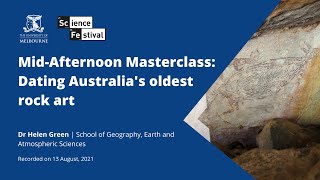
Mid-Afternoon Masterclass - Dating Australia's Oldest Rock Art
Explore scientific techniques for dating ancient Australian rock art, integrating traditional knowledge and western science to uncover the stories behind 12,700-year-old paintings.
Nicole Creanza on Cultural Evolution in Humans and Songbirds
Exploring gene-culture co-evolution in humans and songbirds, examining how geography, genetics, behavior, and technology interact to shape evolutionary patterns and cultural innovations.