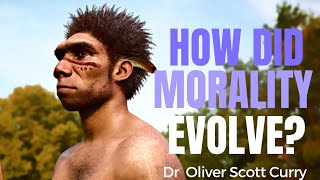
The Evolution of Morality - Interview with Dr. Oliver Scott Curry
Explore the evolution of morality with Dr. Oliver Scott Curry, examining cross-cultural moral values, ethical development, and the intersection of evolution and human behavior.
John J. Gumperz and His Work
Explore John J. Gumperz's influential contributions to sociolinguistics and interactional linguistics, examining his key theories and research methodologies.
This Place is a Message - Understanding Your Role in History
Explore your role in history's narrative. Tom Lin urges understanding your place and environment's significance in the ongoing stream of time, blending insights from science fiction, technology, and cultural studies.
An Anthropologist's Advice for Financial Stability
Anthropologist shares insights on achieving financial stability, blending 40 years of finance experience with developmental anthropology to address inequality and social mobility.
Grief, Memory, and Caring for the Dead
Explore compassionate approaches to death, grief, and end-of-life care with anthropologist Mary Ellen Macdonald, offering insights on finding peace through respectful practices and community support.

Agentic Architecture to Reduce Decision Paralysis in Data Science
Explore agentic architecture's role in empowering data teams, optimizing user experiences, and driving business growth through proactive decision-making in data science.
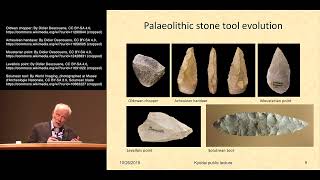
いかにすれば、世界は持続可能になるのか - 未来創成学の展望
Dive into 持続可能な世界への展望と情報技術革命の影響について、人類の情報処理の進化から現代の課題まで、グローバルな視点で解説する講演。
Cyber Safeguarding Through Folklore: Engaging Elementary Students in Digital Citizenship Education
Explore innovative digital citizenship education for elementary students using folklore. Learn to integrate traditional tales with cyber safety principles for engaging and effective learning.
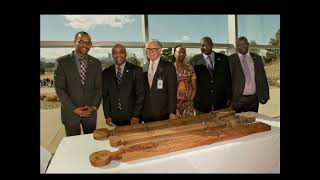
The Vigango Affair - Repatriation of Ancestral Funerary Posts to Kenya
Explore the ethical repatriation of stolen Mijikenda vigango funerary posts to Kenya, examining cultural heritage and museum responsibilities.
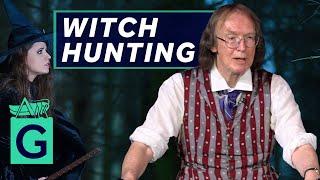
Witch-Hunting in European and World History
Explore the global phenomenon of witch persecution, focusing on Europe's unique patterns and the reasons behind early modern witch hunts. Gain insights into this contemporary issue condemned by the UN.
Living on the Edge - Neanderthals and Their Relatives in Central Asia
Explore recent discoveries about early human populations in Central Asia, including interactions between Neanderthals, Denisovans, and modern humans through DNA, archaeological, and morphological evidence.
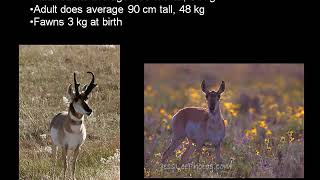
Masters of Animals - Pronghorn Hunting on the Alberta Plains
Explore ancient pronghorn hunting techniques on Alberta's plains, uncovering archaeological insights into Indigenous hunting strategies and their cultural significance.
Big History 2
In 6 episodes, Emily Graslie continues telling you the story of “life, the universe, and everything” in Big History 2! This course challenges you to ask “why this stuff matters” and is based on the Big History Project social studies curriculum.
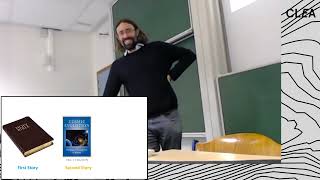
The Third Story of the Universe - From Religious Myths to Scientific Evolution and the Noosphere
Explore the evolution of human narratives from religious myths to scientific understanding, and discover how the emerging concept of Noosphere offers a unified vision for humanity's future.
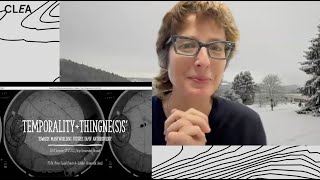
Temporality and Thingness - Towards Manyworlding Futures in Anthropology
Explore how algorithmic environments and technological infrastructures reshape human perception of time, space, and reality through ethnographic research at CERN and other scientific institutions.
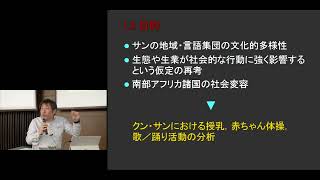
世代を超えてつながる:狩猟採集社会における子育て - 第4回
Discover how child-rearing practices in San hunter-gatherer societies reveal essential insights about human parenting through analysis of breastfeeding, baby exercises, songs, and dance activities in Namibia's Kun San community.
Waking Up in the Universe - Part 1: Origins of Life
Explore the fascinating journey of life's evolution with Richard Dawkins as he examines human ancestry, probability of existence, and scientific understanding of life's origins through engaging demonstrations.
The Relationship Between Language and Thought - Episode 2
Explore the intricate connection between human language and cognitive abilities through expert discussions on evolution, intelligence, and the fundamental role of communication in human society.
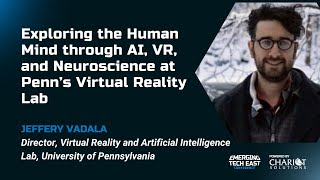
Exploring the Human Mind Through AI, VR, and Neuroscience
Explore how AI, VR, and neuroscience intersect to advance our understanding of human cognition, perception, and behavior while developing more culturally-aware and intuitive technologies.

Meet Our Planet's Hidden Defenders | Anjan Sundaram | TED
War reporter Anjan Sundaram highlights how small Indigenous communities, representing just 5% of the world's population, defend 80% of Earth's remaining biodiversity. He focuses on Mexico's ecological frontlines where these communities battle corporations and cartels to protect natural ecosystems.

On Misrepresentation of Identities | Sada Malumfashi | TEDxMinna
In a world shaped by media, politics, and social perception, identities are often reduced to stereotypes. This talk explores how communities, especially in Northern Nigeria, have been misrepresented and the long-term impact of these narratives. Sada challenges us to confront distorted stories, recla