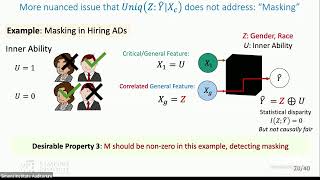
Algorithmic Fairness From The Lens Of Causality And Information Theory
Explore algorithmic fairness through causality and information theory, focusing on identifying and explaining sources of disparity in ML models and quantifying accuracy-fairness trade-offs.

Algorithmic Fairness and Quantum Computation
Experts discuss cutting-edge research in algorithmic fairness and quantum computation, exploring challenges, advancements, and potential impacts on technology and society.
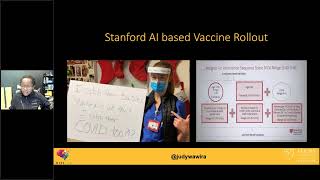
Fairness in Medical Algorithms - Threats and Opportunities
Explore fairness in medical AI algorithms, addressing biases, challenges, and opportunities for equitable healthcare. Learn practical approaches and open questions in developing fair medical AI systems.
Fairness in Machine Learning - From Theory to Practice
Explore fairness in machine learning, addressing bias, measurement metrics, and regulatory considerations to ensure ethical and just AI implementation.

The Ethical Algorithm - Designing Socially Aware AI
Exploring ethical challenges in AI and machine learning, including data privacy, algorithmic bias, and decision-making transparency. Discusses recent research on socially responsible algorithm design.

Robustness to Adversarial Inputs and Tail Risk via Boosting - Machine Learning Model Defense Strategies
Explore innovative strategies for robust machine learning models against adversarial inputs and tail risks, focusing on ensemble methods and risk-sensitive decision-making in high-stakes environments.

Algorithmic Fairness, Loss Minimization and Outcome Indistinguishability
Explore algorithmic fairness, loss minimization, and outcome indistinguishability in machine learning. Discover how these concepts address fairness issues and enable flexible predictor optimization across various constraints.

Embedding Fairness into Pricing Algorithms for Vehicle Sharing Systems
Explore fairness in pricing algorithms for vehicle sharing, examining how different fairness notions impact rider surplus and access across various groups and locations.

In How Many Ways Can an Algorithm be Fair?
Exploring measures of algorithmic fairness, their implications for technology policy, and challenges in implementation to hold predictive algorithms accountable.

Addressing Biases in AI - Shaping Responsible Development
Explore strategies to address AI biases and shape ethical AI development. Joyann Boyce discusses the importance of guiding AI's evolution and ensuring it becomes a positive force for society.
Responsible AI in Practice: Real-World Examples and Challenges
Explore real-world examples and challenges of implementing responsible AI, gaining insights into ethical considerations and practical strategies for developing AI systems with integrity.

Algorithmic Fairness in Predicting Opioid Use Disorder using Machine Learning
Explore machine learning's role in predicting opioid use disorder, focusing on algorithmic fairness and ethical considerations in healthcare applications.

Challenges of Incorporating Algorithmic Fairness into Industry Practice
Explore challenges in implementing algorithmic fairness in industry, covering stakeholder involvement, data gathering, resourcing, and prioritizing tradeoffs. Gain insights into practical approaches and potential pitfalls.

I Agree with the Decision, but They Didn't Deserve This - Future Developers' Perception of Fairness
Explore future developers' perceptions of algorithmic fairness, examining how they evaluate and interpret automated decision-making processes in various contexts.

Bridging Machine Learning and Mechanism Design towards Algorithmic Fairness
Explore the intersection of machine learning and mechanism design to address algorithmic fairness challenges in AI systems, focusing on innovative approaches and ethical considerations.
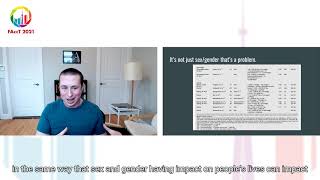
This Whole Thing Smacks of Gender - Algorithmic Exclusion in Bioimpedance-based Body Composition Analysis
Explore algorithmic exclusion in bioimpedance-based body composition analysis, focusing on gender-related issues and their implications for fairness in health technology.

Re-imagining Algorithmic Fairness in India and Beyond
Explore algorithmic fairness challenges in India, examining cultural contexts and proposing new frameworks for equitable AI development in diverse global settings.

Leave-One-Out Unfairness
Explore the concept of leave-one-out unfairness in machine learning, its implications for algorithmic bias, and potential strategies for mitigating this issue in AI systems.
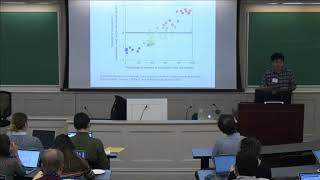
Quantifying and Reducing Gender Stereotypes in Word Embeddings
Hands-on exploration of gender biases in word embeddings, quantifying stereotypes, and implementing techniques to reduce bias in natural language processing applications.

21 Definitions of Fairness and Their Politics
Explore 21 mathematical definitions of fairness in machine learning, their embedded values, and implications for ethics and policy. Gain insights into the complexities of algorithmic fairness and its connection to theories of justice.
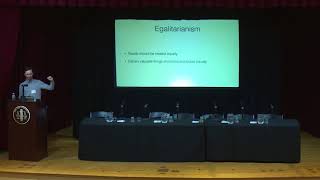
Fairness in Machine Learning - Lessons from Political Philosophy
Explore the intersection of machine learning fairness and political philosophy, drawing insights to address ethical challenges in AI decision-making systems.