Design and Analysis of Algorithms
Learn algorithm design and analysis, covering sorting, graphs, dynamic programming, and complexity theory. Gain practical skills in efficient problem-solving and algorithm implementation.

Advanced Algorithms - COMPSCI 224
Explore cutting-edge algorithmic techniques through comprehensive lectures, enhancing problem-solving skills and deepening understanding of complex computational challenges.
Data Structures and Algorithms
Explore advanced data structures and algorithms, including sorting techniques, tree traversals, graph theory, and hash tables. Enhance problem-solving skills for efficient programming.
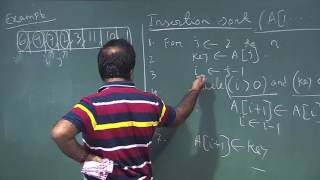
Introduction to Algorithms and Analysis
Comprehensive exploration of algorithmic concepts, from sorting and analysis to advanced data structures and graph algorithms, emphasizing practical implementation and theoretical foundations.

Design & Analysis of Algorithms
Comprehensive exploration of algorithm design techniques, analysis frameworks, and problem-solving strategies, covering divide-and-conquer, greedy algorithms, dynamic programming, and NP-completeness.
Sensitivity Analysis - Types of Sensitivity Analysis
Explore sensitivity analysis techniques, applications, and practical demonstrations to enhance data-driven decision-making and assess variable impacts on outcomes in various domains.
CS50 2012 - Week 3 Continued: Search Algorithms and Sorting Techniques
Explore efficient search and sorting algorithms, including linear and binary search, bubble sort, selection sort, and merge sort. Learn asymptotic notation for algorithm analysis.

Stanford Lecture - Don Knuth - "A Conjecture That Had To Be True"
Donald Knuth explores a fascinating problem in combinatorial geometry, presenting an intriguing formula and its unexpected universal application, showcasing the beauty of mathematical discovery.
The Analysis of Algorithms - 2015 Recreation of 1969 Lecture
Explore the foundations of algorithm analysis with legendary computer scientist Donald Knuth as he recreates his inaugural Stanford lecture from 1969.

Hamiltonian Paths in Antiquity - Stanford Lecture 2016
Explore the ancient origins of Hamiltonian paths with Donald Knuth, tracing their history from Graeco-Roman times through Sanskrit and Arabic documents, and their modern relevance in computer science.
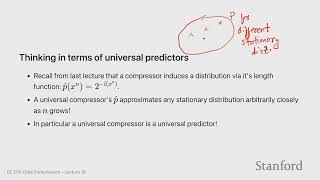
LZ and Universal Compression - Lecture 10
Explore Lempel-Ziv algorithms and universal compression techniques in this Stanford lecture, delving into advanced data compression theory and applications.
Design and Analysis of Algorithms
Comprehensive exploration of algorithm design techniques, analysis frameworks, and problem-solving strategies, covering divide-and-conquer, greedy algorithms, dynamic programming, and NP-completeness.
Fundamental Algorithms - Design and Analysis
This course provides an introduction to mathematical modeling of computational problems. It covers the common algorithms, algorithmic paradigms, and data structures used to solve these problems.
Optimal Binary Search Tree Using Dynamic Programming - Successful Searches Only
Explore optimal binary search tree construction using dynamic programming for successful searches. Learn to minimize expected search time based on access frequencies.
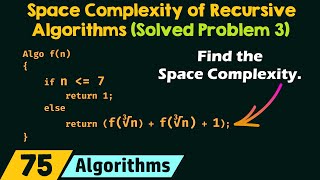
Space Complexity of Recursive Algorithms - Solved Problem 3
Analyze space complexity of recursive algorithms through a solved problem, enhancing understanding of memory usage in algorithmic design.
Self-Adjusting Data Structures - Designing for Efficient Operation Sequences
Explore self-adjusting data structures with Prof. Robert Tarjan. Learn about adaptive designs that optimize total operational costs, enhancing efficiency in various computational scenarios.
Optimal Binary Search Tree Using Dynamic Programming - Successful and Unsuccessful Searches
Master optimal binary search tree construction using dynamic programming, considering both successful and unsuccessful searches. Enhance your understanding of efficient data structures and algorithms.
Selection Sort in Java
Learn to implement and analyze Selection Sort in Java, covering its logic, implementation, time complexity, and practical applications.
Random Forest Regression
Learn Random Forest Regression: its advantages, disadvantages, algorithm, and applications. Compare with logistic regression and explore its impact in machine learning across various domains.

Quick Sort Program in C
Learn the QuickSort algorithm in C, including its implementation, time and space complexity, and practical examples. Gain a deep understanding of this efficient sorting technique.

Sorting Algorithm Lectures
Comprehensive exploration of various sorting algorithms, covering their concepts, implementations, and complexities through a series of in-depth lectures.