
ZEROing Trust - Do Zero Trust Approaches Deliver Real Security?
Analyze effectiveness of zero trust security across modern OS platforms, examining measurable properties to establish trust in various threat scenarios.

Divide et Impera - MemoryRanger Runs Drivers in Isolated Kernel Spaces
Explore Windows 10 kernel memory protection, its vulnerabilities, and MemoryRanger's innovative approach to isolating drivers for enhanced security against malware attacks.
EBPF ELFs JMPing Through the Windows
Explore eBPF for Windows: capabilities, security model, design, and attack surface. Uncover vulnerabilities, witness fuzzing demos, and discuss exploitation challenges in Windows Protected Process.
Defeating Pass-the-Hash - Separation of Powers
Explore Windows 10's innovative approach to defeating Pass-the-Hash attacks through strong isolation of symmetric credentials, leveraging virtualization technology to sequester secrets from potential attackers.
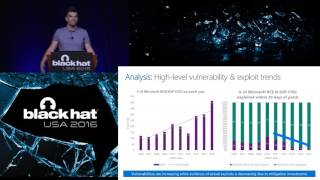
Windows 10 Mitigation Improvements
Explore Microsoft's data-driven approach to software security, including proactive monitoring, analysis of exploits, and mitigation improvements in Windows 10 to enhance protection against vulnerabilities.
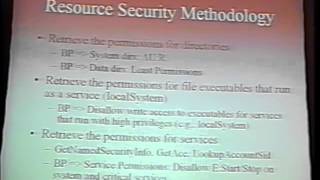
Safeguarding Your Business Assets Through Understanding of the Win32API
Explore Win32API vulnerabilities and learn advanced techniques to protect business assets from potential security threats in Windows systems.
DKOM - Direct Kernel Object Manipulation
Explore advanced Windows kernel manipulation techniques, focusing on DKOM for stealthy system modifications and rootkit development.
Addressing Complete Security to Save Money
Explore comprehensive Windows security strategies to reduce costs and enhance protection in this insightful presentation on addressing vulnerabilities and implementing effective safeguards.
How Do I Detect Technique X in Windows - Applied Methodology to Definitively Answer This Question
Learn a systematic approach to detect specific techniques in Windows, enhancing your ability to identify and analyze potential security threats and vulnerabilities.
Windows 11 At Your Service
Explore Windows 11's automation feature and its potential security implications. Learn how users can create custom processes that are distributed and executed across machines.

The Linux Kernel Hidden Inside Windows 10
Explore the Linux kernel in Windows 10, its implementation, security implications, and potential vulnerabilities. Learn about system calls, process management, and attack surfaces in this unique OS integration.
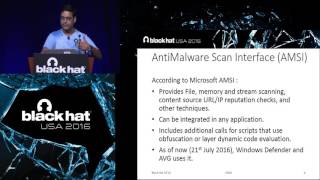
How Windows 10 Plans to Stop Script-Based Attacks and How Well It Does It
Explore Windows 10's AntiMalware Scan Interface (AMSI) for script-based attack prevention. Discover its effectiveness, limitations, and potential workarounds through live demonstrations and expert analysis.
Analysis of the Attack Surface of Windows 10 Virtualization-Based Security
Explore Windows 10's virtualization-based security, its implementation details, and potential vulnerabilities. Includes demonstrations of exploits against VBS and firmware, with a focus on platform complexity issues.
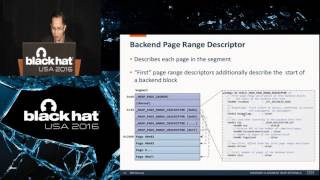
Windows 10 Segment Heap Internals
Explore Windows 10 Segment Heap internals, focusing on data structures, algorithms, and security mechanisms. Learn how to exploit memory corruption vulnerabilities in Microsoft Edge components.
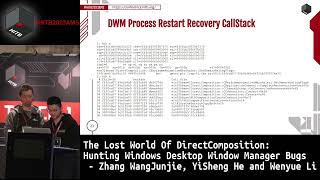
Hunting Windows Desktop Window Manager Bugs
Exploring Windows Desktop Window Manager vulnerabilities, focusing on DirectComposition UserSpace. Covers architecture, attack surfaces, and specific CVEs, offering insights into bug hunting techniques and security implications.
Windows Hello from the Other Side
Explore Windows Hello vulnerabilities and attack techniques in this IT security talk, covering biometric authentication weaknesses and potential exploits in Windows systems.
The Power of Coercion Techniques in Windows Environments
Explore coercion techniques in Windows environments, their impact on IT security, and strategies for defense against these powerful attack vectors.
Layers on Layers - Bypassing Security for Fun and Profit V2
Explore kernel vulnerabilities in Windows and their impact on security solutions. Learn how to bypass multiple layers of protection and discuss more robust defensive strategies.
Automated Discovery of Logical Privilege Escalation Bugs in Windows 10
Automated discovery of logical privilege escalation vulnerabilities in Windows 10 services, using simulated user interactions and interface calls. Includes methodology, ALPC analysis, and system implementation.
Local Privilege Escalation in 2016
Explore techniques for local privilege escalation on Windows and Unix systems, learning how to elevate user privileges to gain full system access in various scenarios.
The Ransomware Protection Full Of Holes
Exposé des failles de la protection contre les ransomwares de Windows, démonstration de méthodes de contournement et d'attaques à distance, avec vidéos à l'appui.