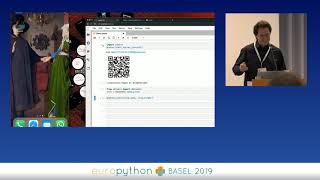
PlotVR - Walk Through Your Data
Explore 3D data visualization with PlotVR, enabling immersive VR and AR experiences. Navigate scatter plots using your phone and computer keyboard for a unique perspective on your datasets.

GraphQL in Python
Explore GraphQL's rise, advantages over REST, and Python implementation. Learn about Strawberry, a new library simplifying GraphQL API creation using dataclasses.
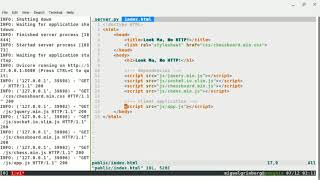
Look Ma, No HTTP!
Explore building dynamic, event-driven web applications using WebSocket and Socket.IO, eliminating HTTP for real-time, bidirectional communication between client and server.
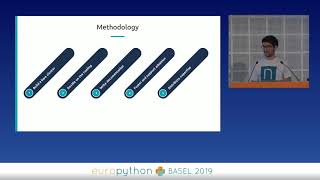
How We Run GraphQL APIs in Production on Our Kubernetes Cluster
Explore deploying and operating GraphQL APIs on Kubernetes, covering workflow, tools, and lessons learned from transitioning from REST APIs to containerized GraphQL services.

UseFlask - Or How to Use a React Frontend for Your Flask App
Integrating React frontend with Flask backend: modern JS tools, RESTful API communication, and maintaining Flask features in client-side code using React hooks.
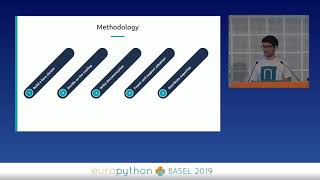
How We Run GraphQL APIs in Production on Our Kubernetes Cluster
Discover the workflow and tools for building, deploying, and operating GraphQL APIs on Kubernetes. Learn from Numberly's transition experience and gain insights into cluster design and developer processes.
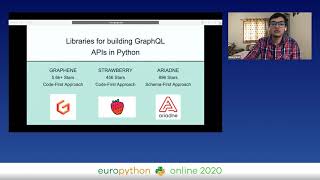
Developing GraphQL API in Django Using Graphene
Learn to build efficient GraphQL APIs in Django using Graphene. Explore ObjectTypes, Queries, Mutations, and pagination while understanding the advantages over REST APIs.

Django Testing on Steroid - pytest + Hypothesis
Enhance Django testing with pytest and Hypothesis: Learn parallelization, edge case detection, and extended coverage for more robust and efficient test suites.
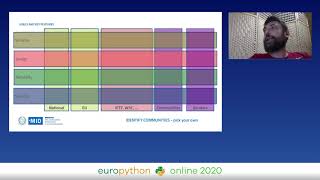
Extending HTTP for Fun and Non-Profit
Explore strategies for standardizing API guidelines through IETF, using real-world examples of HTTP header modifications and engaging with industry stakeholders.
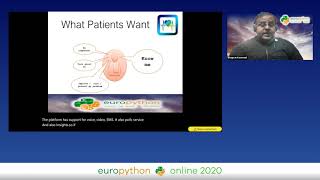
Telehealth Platform - Python & Django Powered
Explore an AI-powered telehealth platform built with Python & Django, featuring digital assistants, voice tech, and ML analytics to enhance doctor-patient interactions and streamline healthcare services.
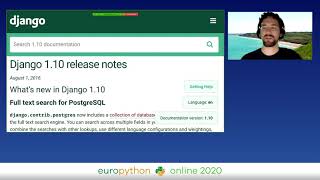
A Pythonic Full-Text Search
Implementación eficiente de búsqueda de texto completo en sitios web usando Django y PostgreSQL, evitando motores de búsqueda adicionales y mejorando la arquitectura y el rendimiento.
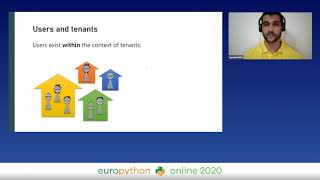
Yet Another Package for Multi-Tenancy in Django
Explore multi-tenancy implementation in Django, covering fundamental plumbing, challenges, and popular packages for reliable, secure, and elegant solutions.
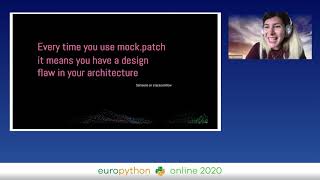
Social Distancing from Your System’s Dependencies - An API’s Story
Explore dependency isolation techniques in Python testing, their impact on API design, and how to structure tests for clarity and effectiveness using unittest.mock and pytest.
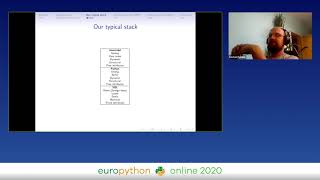
Full Stack Type Safety
Explore full-stack type safety in Python web projects, focusing on enforcing consistency between frontend and backend using REST/Swagger and GraphQL. Includes practical demos and discusses various design approaches.
Django Clone From Scratch With Flask
Explore engineering Flask to mimic Django, diving into framework internals and development patterns. Learn to create a Django-like app with Flask, discussing benefits and challenges of both frameworks.
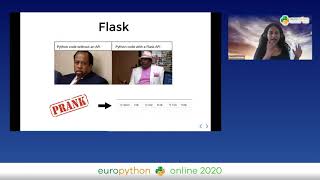
Train, Serve, Deploy - Story of a NLP Model ft. PyTorch, Docker, Uwsgi and Nginx
Learn to build, train, and deploy NLP translation models using PyTorch, Flask, Docker, uWSGI, and Nginx. Covers data preprocessing, model training, web app creation, containerization, and production serving techniques.
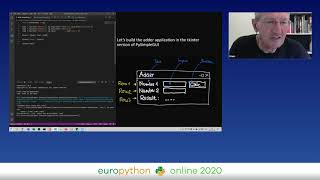
Attractive GUIs with PySimpleGUI
Learn to create attractive and functional GUIs with PySimpleGUI, bridging the gap between complex frameworks and limited design tools. Explore its design philosophy and practical applications.
Resurrecting a Django Project in Python 2.7 for 3.8
Explore the process of reviving and updating a Django project from Python 2.7 to 3.8, focusing on challenges, solutions, and best practices for modernizing legacy code.
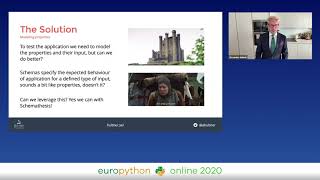
API-Schema-Based Testing with Schemathesis
Explore property-based API testing using schemathesis to automatically generate test scenarios from API schemas, enhancing test coverage and efficiency for web projects.
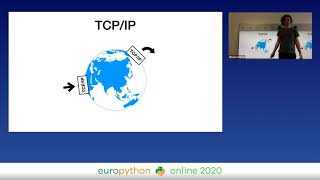
HTTP - 3 – Why Should I Care?
Explore HTTP/3 and QUIC protocol: advantages, disadvantages, and current implementations. Learn how this new technology improves performance, increases privacy, and may revolutionize web communication.
ScanAPI
Explore ScanAPI, an open-source tool for creating integration tests for REST APIs. Learn its motivations, problem-solving capabilities, implementation, and future developments.