Maintaining the Strength of American Capitalism - Challenges and Policy Responses
Experts discuss challenges to American capitalism, including inequality, market concentration, and economic mobility, exploring evidence-based policy responses to maintain economic strength and fairness.
The Inequality Puzzle - Shrinking the Economic Gap for Working Families
Explore innovative solutions to address economic inequality and support working families, featuring insights from experts on policies, partnerships, and programs for lasting change.
A Few Thousand Dollars: Sparking Prosperity for Everyone - Book Talk
Exploring strategies to address wealth inequality and build inclusive prosperity through policy changes, savings initiatives, and economic opportunities for all Americans.
Making America's Economy Great - Factors and Policies for Economic Growth
Experts discuss factors affecting US economic growth, exploring policies, education, populism, and structural issues to boost and stabilize the economy.
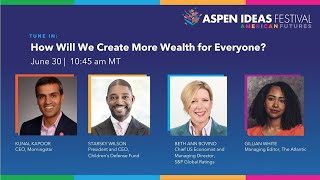
How Will We Create More Wealth for Everyone? - Addressing Wealth Inequality in America
Explore strategies to address wealth inequality in the US, examining solutions like universal basic income and baby bonds to create a more equitable and prosperous future for all.
Reset the Net for American Workers - Financial Resiliency and Benefits Reform
Explore solutions for American workers' financial resilience, addressing paid family leave, employee benefits, and collaboration between government and businesses to create a robust safety net.
Universal Basic Income Debate - Challenges and Opportunities
Experts debate Universal Basic Income, exploring potential drawbacks and challenges of implementation. Gain insights into economic, social, and political considerations surrounding this controversial policy proposal.
Artificial Intelligence and Society - In Conversation With Jeff Sachs
Exploring AI's societal impact, Jeff Sachs discusses potential utopian and dystopian outcomes, emphasizing the importance of governance in shaping the future of technology and its effects on work, wealth, and privacy.

Beyond Automation: Using AI for Good
Exploring AI's potential for societal advancement, ethical considerations, and future implications beyond automation, featuring insights from industry experts and policymakers.
Basic Income - Can Giving Away Free Money Save Us
Explore the concept of universal basic income, its potential impacts, and global experiments. Examine pros, cons, and how automation is changing perspectives on this economic model.

How Is Rentier Capitalism Aggravating Inequality
Explore how rentier capitalism impacts wealth distribution, examining technological aspects, property rights, and potential solutions to address growing inequality.
Achieving Inclusive Growth in the Fourth Industrial Revolution
Explore the impact of the Fourth Industrial Revolution on income gaps and employment, with insights from global leaders on fostering inclusive growth and addressing economic challenges.
Finding Future Jobs
Experts discuss strategies for preparing workers and markets for job displacement and new opportunities in the Fourth Industrial Revolution, focusing on policy recommendations and economic shifts.
Should We Introduce a Universal Basic Income?
Debate on universal basic income: experts discuss its potential as a solution for economic challenges and societal welfare in the digital age.
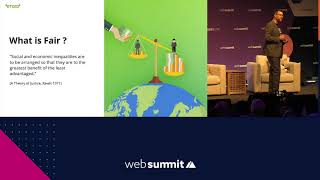
The Social Evolution of Wealth
Exploring wealth inequality, universal basic income, and blockchain's potential to reshape wealth distribution and social structures in the digital age.
Machine Ethics and Emerging Technologies
Explore ethical challenges of emerging tech: autonomous vehicles, AI in healthcare, and combat drones. Discuss societal impacts and the need for proactive consideration of these issues.
Postcapitalism
Exploring how open-source software disrupts capitalism, examining economic transitions, and discussing strategies for companies to remain relevant in a world of free software.

Experiencing Without Eyes | Rabail Pirzada | TEDxUniversity of Wah
At TEDx University of Wah, Rabail Pirzada invites the audience to step into a world experienced beyond sight where sound, touch, and emotion shape reality. Through personal insight and lived experience, this talk challenges the visually dominant way society is designed and understood. Rabail Pirzad

Rethinking Women’s Empowerment for Society | Dr Surabhi Yadav | TEDxDCAC
Are women truly empowered today—or are we just calling them empowered? In this thought-provoking talk, Dr. Surabhi Yadav, CSR and Sustainability Consultant, challenges the common narrative around women’s empowerment. While education and employment opportunities for women have increased significantl

5 Things Every Malaysian Should Know About Their Economy But Don’t | Apurva Sanghi | TEDxKL
Malaysia’s share of the global economy may be only less than 1% but its story is bigger than you think. Apurva Sanghi shares five essential and perhaps surprising truths about Malaysia’s economy – and why its future depends on what Malaysians do next. Apurva Sanghi is the World Bank Lead Economist

Najpilniejszy problem ludzkości i dlaczego nic o nim nie wiemy? | Weronika Żurek | TEDxKatowice
Wyjdę od podstaw Efektywnego Altruizmu i opowiem o tym, dlaczego z takiej podstawowej, intuicyjnej moralności wynika, że powinniśmy się zajmować zagrożeniami egzystencjalnymi. Z zagrożeń egzystencjalnych skupię się przede wszystkim na AI, wskażę na kilka problemów, które już z nim mamy i kilka probl