
Practical Tips for Defending Web Applications in the Age of DevOps
Practical tips for adapting application security to modern DevOps practices, covering static analysis, dynamic scanning, and security visibility for rapid development cycles.
Contemporary Automatic Program Analysis
Explore automatic program analysis techniques for vulnerability discovery, from historical context to cutting-edge methods, with practical examples and demos for effective security research.
Runtime Analysis of Vulnerabilities and Generation of Exploits
Runtime analysis tool for detecting vulnerabilities and generating exploits. Leverages program execution to identify dataflows, usable for both offensive and defensive purposes. Includes live demonstrations and open-source release.
File Disinfection Framework - Striking Back at Polymorphic Viruses
Explore an open-source framework for combating polymorphic viruses through advanced static analysis and emulation. Learn innovative techniques for file disinfection, malware analysis, and incident response.
Dude, Where's My Laptop?
Analysis of laptop and mobile device security solutions, exploring their effectiveness against theft and data protection claims. Reveals vulnerabilities and challenges common anti-theft measures.
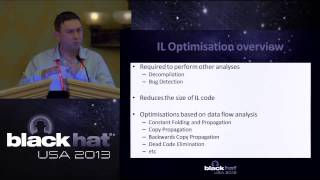
Detecting Bugs Using Decompilation and Data Flow Analysis
Explore Bugwise, a free online service for detecting software bugs through decompilation and data flow analysis, showcasing its success in finding vulnerabilities in Debian Linux.
Hunting the Shadows - In Depth Analysis of Escalated APT Attacks
In-depth analysis of APT attacks targeting Taiwan, showcasing automated detection systems, forensic techniques, and insights into attacker operations. Includes release of collaborative APT classification platform.
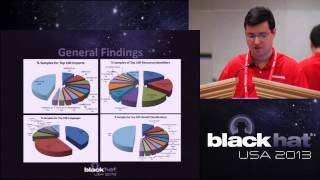
BinaryPig - Scalable Malware Analytics in Hadoop
Scalable malware analytics framework using Hadoop for processing large volumes of malware samples. Enables efficient feature extraction, machine learning, and data exploration for security researchers.

Improving Logging to Reduce Permission Over-Granting Mistakes
Explores techniques to enhance logging in server applications, aiming to reduce permission over-granting mistakes by system administrators when resolving access-deny issues.

Detecting React Bugs Automatically with Linting and TypeScript
Explore automatic bug detection in React using linting and TypeScript. Learn to implement static analysis tools for faster feedback and improved code quality during development.
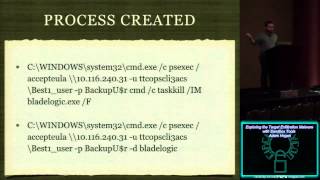
Exploring the Target Exfiltration Malware with Sandbox Tools
Explore target exfiltration malware using sandbox tools. Learn static and dynamic analysis techniques, process management, and considerations for effective malware detection and security automation.
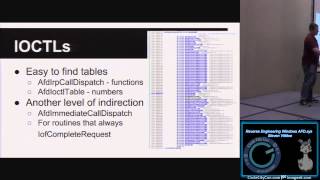
Reverse Engineering Windows AFD.sys
Explore Windows AFD.sys reverse engineering techniques, covering static analysis, fuzzing, and Project Zero's goals. Learn about registry inputs, dispatch calls, and bug hunting strategies.
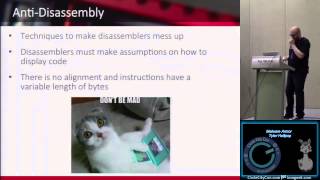
Malware Armor
Explore malware analysis techniques, including dynamic and static analysis, anti-virtualization detection, anti-debugging, and obfuscation methods. Learn to use various tools for effective malware armor analysis.
The Problems with JNI Obfuscation in the Android Operating System
Explore JNI obfuscation issues in Android OS, covering build process, software stack, and practical reverse engineering techniques for both static and dynamic analysis.
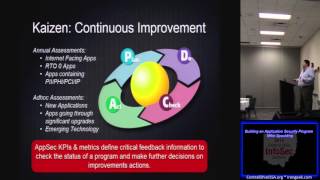
Building an Application Security Program
Aprenda a construir um programa de segurança de aplicações eficaz, abordando análise estática e dinâmica, verificação manual e melhoria contínua para reduzir riscos e alinhar-se ao ciclo de desenvolvimento.
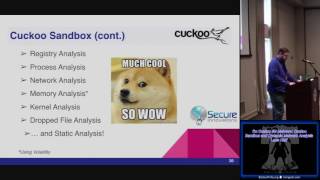
Cuckoo for Malware - Cuckoo Sandbox and Dynamic Malware Analysis
Explore dynamic malware analysis using Cuckoo Sandbox, covering setup, features, and practical applications for effective threat detection and analysis.
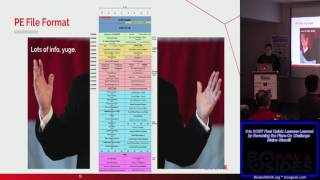
0 to 31337 Real Quick - Lessons Learned by Reversing the Flare On Challenge
Explore reverse engineering strategies and anti-analysis techniques through lessons learned from the Flare-On Challenge, covering file types, encryption methods, and obfuscation tactics.
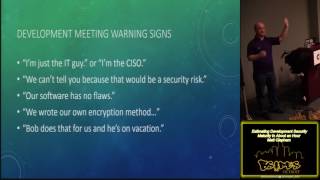
Estimating Development Security Maturity in About an Hour
Discover techniques for assessing development security maturity quickly. Learn to identify key behaviors, conduct effective meetings, and evaluate training, threat modeling, and analysis practices.
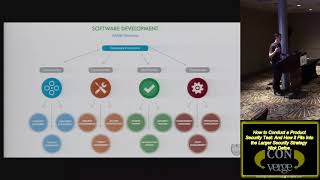
How to Conduct a Product Security Test and How it Fits Into the Larger Security Strategy
Learn how to conduct thorough product security tests, from initial investigation to reporting, using various tools and techniques for static and dynamic analysis, fuzzing, and ethical hacking.

PHP in 2017
Explore PHP's 20+ year history and its impact on the Web with its inventor. Learn about performance improvements, new features, and future directions in this comprehensive overview.

25 Years of PHP
Explore PHP's 25-year journey, from its inception to modern features. Learn about performance optimization, static analysis, and upcoming enhancements to improve your development skills.