Apollo 16 and 17 Missions - Scientific Success and Lunar Geology Retrospective
Explore the scientific achievements of Apollo 16 and 17 missions, including lunar geology, site selection, and insights from returned samples.
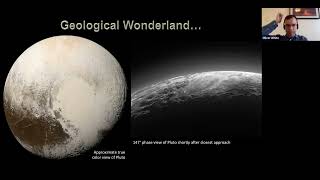
A Global Geologic Map of Pluto
Explore Pluto's complex geological history through high-quality images from NASA's New Horizons spacecraft, revealing diverse terrains and crater densities.
A Revolution in Solar System Astronomy with JWST
Explore groundbreaking JWST observations of solar system bodies, from gas giants to asteroids, and their impact on our understanding of planetary formation and evolution.
What Might Artemis Astronauts Encounter at the Lunar South Pole?
Explore potential challenges and discoveries awaiting Artemis astronauts at the Moon's South Pole, including unique geological features and resource opportunities.
ExMASS 2023-2024 Final Presentations
Explore lunar and asteroid research as high school students present their findings in NASA's ExMASS program, showcasing innovative scientific investigations and discoveries.

The Cold War
Explore the Cold War's major events, from the Russian Revolution to the fall of the Soviet Union. Delve into crises, technological advancements, and the global impact of this ideological conflict.

Why the US is Struggling to Return to the Moon
Explore the complex challenges and technological hurdles facing America's lunar return ambitions, from funding issues to engineering obstacles in modern space exploration.
To the Moon - From Apollo Missions to Software Development Innovation
Explore the Apollo moon missions' remarkable journey and its parallels to software development, from initial challenges to leadership lessons that drive innovation and ambitious achievements.
Overview of Planetary Mission Formulation
Discover the essential principles of planetary mission planning through NASA JPL expert Karl Mitchell's comprehensive exploration of mission formulation strategies and methodologies.
Lessons from Europa Clipper - Digital Twins for Solar System Exploration
Discover key insights from NASA JPL's mission planning for Europa Clipper, exploring digital twin technology applications in solar system exploration and spacecraft development.
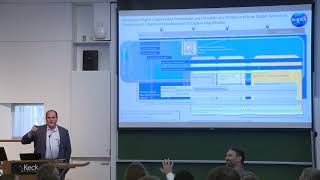
End-to-End Example of a Digital Twin for Space Exploration
Discover NASA's practical implementation of Digital Twin technology through a comprehensive exploration of real-world applications in space exploration and systems engineering.
Design and Development of the James Webb Space Telescope
Delve into the engineering marvel of the James Webb Space Telescope with NASA's Astrophysics Director, exploring its groundbreaking design, deployment challenges, and revolutionary impact on our understanding of the universe.
On Becoming a Space-Faring Civilization
Explore humanity's journey towards becoming space-faring through cutting-edge rocket technologies, space habitation challenges, and the compelling reasons for expanding beyond Earth.
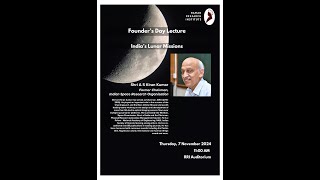
India's Lunar Missions - From Chandrayaan-1 to Present Day
Discover India's space exploration journey through lunar missions, featuring insights from former ISRO Chairman A S Kiran Kumar on technological achievements and future aspirations.

To Reach Moon, Compete; To Stay, Collaborate | Mohamed AlSalami | TEDxAmerican University of Sharjah
As humanity transitions from short-duration exploration to building sustainable infrastructure beyond Earth, success will depend not only on technological advancement but on integration, partnerships, and trust across nations and disciplines. Mohamed Al Salami is the Liaison Lead from the Mohammed

How Satellites Are Transforming the Night Sky | Dr Noelia Noël | TEDxSurreyUniversity
Satellites connect us across the globe and help us monitor our changing planet, but their growing numbers are flooding the night sky with artificial light. This scattered glow is erasing the stars and distorting the faint cosmic signals that help us understand our Universe. My talk explores how reth

Vidieť nestačí: Keď sa roboti učia chápať svet | Zuzana Kúkelová | TEDxTurcianskeTeplice
Naučiť stroj vidieť neznamená len rozpoznať objekty, ale pochopiť svet. Zuzana Kúkelová ukazuje, ako sa roboti učia vnímať realitu a prečo ich „zrak“ odhaľuje limity aj silu ľudského videnia.Vidieť nestačí: Keď sa roboti učia chápať svet Zuzana Kúkelová is a leading researcher in the field of comput

Space Technology in your Living Room | Dr. Angaraj Duara | TEDxKahilipara
Spin Off Technology- Development of abrasion resistant plastic for astronaut visor led to the development of scratch free prescribed glasses that majority of people wear, Bacillus pumilus SAFR-032 is used to make sunscreen. *Dr. Angaraj Duara* , a space scientist, currently working on NASA's Habita

L'impatto della ricerca astronomica sulle nostre vite. | Elena Pian | TEDxRimini
Perché è importante la ricerca astrofisica? Nata da necessità pratiche come la competizione spaziale durante la Guerra Fredda, si è evoluta in una disciplina anche di pura ricerca scientifica. L'astrofisica, attraverso l'osservazione e lo studio delle sorgenti celesti, spinge i limiti della conoscen

Spazio: lontano da terra, dentro di noi | Debora Angeloni | TEDxReggioEmilia
Lo spazio può invecchiare il corpo umano in tempi record, ma è proprio in questo scenario estremo che si nascondono i segreti per proteggere la nostra salute sulla Terra. La biologa molecolare Debora Angeloni racconta il viaggio di cellule umane verso la Stazione Spaziale Internazionale per svelare

All’ombra della galassia | Stefano Giovanardi | TEDxFoggia
Siamo figli delle stelle e dobbiamo essere i custodi della Terra, prendercene cura. Al TEDxFoggia “The Age of Care” Stefano Giovanardi ci presenta la volta celeste come lo specchio per l’umanità che ci aiuta a capire chi siamo. Stefano Giovanardi, laureato in astronomia all'Università di Bologna,