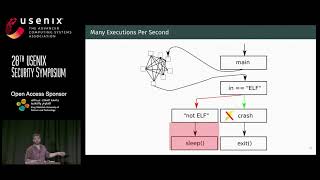
AntiFuzz - Impeding Fuzzing Audits of Binary Executables
Explore techniques to protect binary executables against automated bug-finding tools, focusing on impeding fuzzing, symbolic execution, and hybrid fuzzing approaches while maintaining performance.
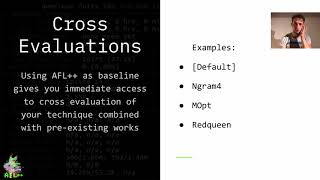
AFL++ - Combining Incremental Steps of Fuzzing Research
AFL++: A community-driven fuzzing tool combining state-of-the-art research, offering novel features like Custom Mutator API. Enhances fuzzing process, enables quick testing of new techniques, and evaluates effectiveness individually and in combination.
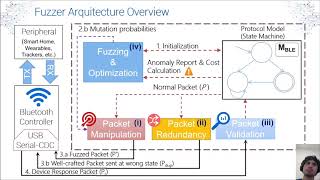
SweynTooth - Unleashing Mayhem over Bluetooth Low Energy
Explores vulnerabilities in Bluetooth Low Energy protocol implementations, presenting a systematic fuzzing framework that discovered 11 new vulnerabilities across various devices and IoT products.
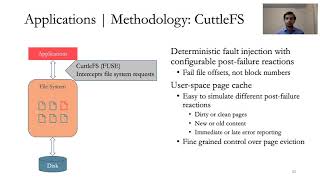
Can Applications Recover from fsync Failures?
Análisis de cómo sistemas de archivos y aplicaciones modernas reaccionan ante fallos de fsync, revelando vulnerabilidades críticas en la durabilidad de datos y sugiriendo mejoras de diseño.
UNVEIL - A Large-Scale, Automated Approach to Detecting Ransomware
Automated approach to detect ransomware through dynamic analysis, focusing on file tampering and desktop changes. Improves detection of evasive ransomware unnoticed by traditional antimalware solutions.
SRE in the Small and in the Large
Explore SRE principles applicable to organizations of all sizes, from startups to tech giants. Learn key practices for system reliability, scalability, and efficient operations.
Attack on Titan M, Reloaded - Vulnerability Research on a Modern Security Chip
Explore vulnerability research on Google's Titan M security chip, including fuzzing techniques, impact analysis, and mitigation strategies for modern device protection.

Finding Vulnerabilities in TensorFlow
Explore vulnerabilities in TensorFlow through advanced fuzzing techniques, focusing on deep issues hidden in complex code logic and semantic contexts beyond traditional API fuzzing methods.
A Universal Way to Exploit Android PendingIntents in High-profile and System Apps
Explore Android PendingIntent vulnerabilities in high-profile apps, learn exploitation techniques, and discover security implications through case studies and practical demonstrations.

A Titan M Odyssey
Explore Google's Titan M chip: its architecture, security features, and potential vulnerabilities through reverse engineering and dynamic analysis techniques.
How Embedded TCP-IP Stacks Breed Critical Vulnerabilities
Explore critical vulnerabilities in embedded TCP/IP stacks, their impact on system security, and techniques for analysis and mitigation in networked embedded systems.
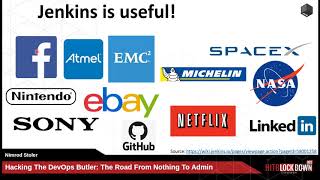
Hacking the DevOps Butler - From Nothing to Admin
Explore Jenkins vulnerabilities and exploitation techniques, focusing on two critical flaws that allow unauthenticated attackers to gain admin access and control entire infrastructures.
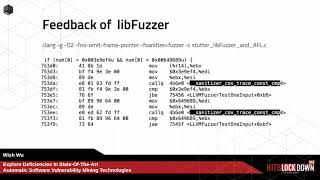
Exploring Deficiencies in Automatic Vuln Mining Technology
Exploring deficiencies in automatic vulnerability mining tools and proposing a new technique to improve software security through analysis of popular tools and creation of challenging example codes.
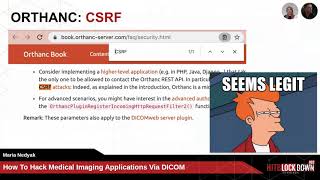
How to Hack Medical Imaging Applications via DICOM
Explore critical security vulnerabilities in DICOM servers, protocols, and libraries used in medical imaging systems. Learn to identify and fix bugs in the DICOM ecosystem.
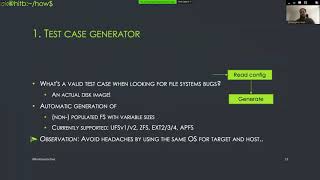
Fuzzing File System Implementations to Uncover Security Bugs
Explore file system vulnerability research through fuzzing techniques on BSD systems. Learn to identify attack surfaces, automate testing, and uncover security bugs in kernel implementations.
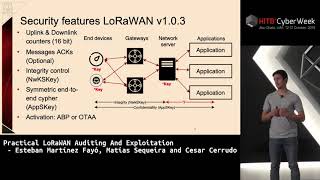
LoRaWAN Auditing
Comprehensive guide to LoRaWAN security auditing, covering vulnerabilities, testing methods, and new tools. Provides practical insights for securing IoT deployments in smart cities and industries.
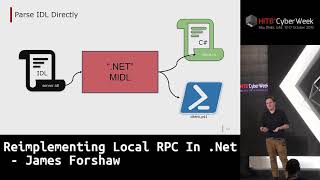
Reimplementing Local RPC in .Net
Reimplementing Windows RPC in .NET for privilege escalation, covering ALPC implementation, NDR parsing, and PowerShell integration. Includes bug discovery and tooling demonstration.
Over the Edge - Pwning the Windows Kernel
Exploración detallada del subsistema gráfico de Windows, vulnerabilidades del kernel y técnicas de escape del sandbox de Edge, con demostraciones de exploits para elevar privilegios desde el proceso de contenido de Edge a SYSTEM.
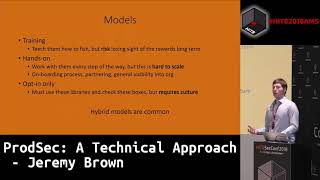
ProdSec - A Technical Approach
Explore product security strategies, including risk management, automation, and attack surface reduction. Learn how to integrate security into development processes and foster a security-conscious culture within organizations.
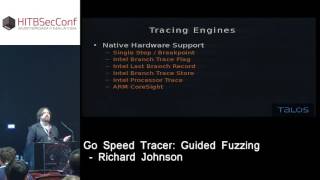
Go Speed Tracer - Guided Fuzzing
Explore advanced guided fuzzing techniques for vulnerability discovery, including code coverage analysis, constraint solving, and feedback mechanisms. Learn about novel tools and approaches in dynamic analysis.
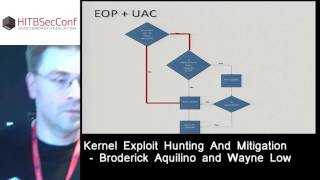
Kernel Exploit Hunting and Mitigation
Explore kernel exploit hunting and mitigation techniques, focusing on identifying and analyzing malware that leverages Windows kernel vulnerabilities for system compromise and evasion of security measures.