Fedora Automated Testing - Progress Towards CI for Distributions
Overview of Fedora's automated testing system, highlighting progress from manual to automated testing for critical changes across releases. Explores collaboration with openSUSE and strategies to maintain system stability.

Testing Flask Apps with Playwright - Python Pulse
Explore automated end-to-end testing for Flask applications using Playwright, a cross-browser tool. Learn setup, implementation, and best practices for efficient Python web app testing.
Load Testing WebSockets in Real Time - Artillery Framework
Explore Artillery, an open-source framework for load testing WebSocket applications. Learn to ensure service maintenance, verify exchange consistency, and gain confidence in your real-time software capabilities.
Jakarta EE Integration Testing with Testcontainers and Other Frameworks
Explore integration testing for Jakarta EE apps using various libraries and Testcontainers. Learn to deploy, test, and debug applications in containers with production runtime.

Adding Eyes to Your Automation Framework - Visual Validation in Testing
Explore visual validation techniques to enhance automated testing, catching UX, usability, and cross-device issues often missed by traditional functional tests.

Testing Android Apps at Scale with Nitrogen - Android Dev Summit 2018
Explore Android's Nitrogen test harness for scalable app testing, covering setup, execution, device management, and reporting. Learn to optimize your testing process efficiently.
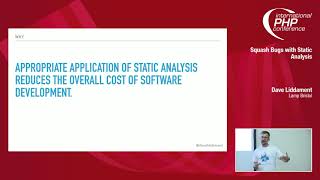
Squashing Bugs with Static Analysis
Discover advanced static analysis tools for PHP to find and prevent bugs efficiently, improving code quality and development workflow.

Testing GUI Apps - What to Test and How to Test It - Mini Coding Course for Beginners
Learn automated software testing with a hands-on Kivy GUI project. Covers static and dynamic analysis, unit testing, and various test scenarios to improve code quality and reliability.
Appium Step-by-Step: Complete iOS Testing Setup - Lecture 8
Comprehensive guide to setting up iOS testing with Appium, covering installation, configuration, and execution on both simulators and real devices. Includes step-by-step instructions and troubleshooting tips.
Improving AGL Instrument Cluster Development Quality and Productivity with Automated Testing
Enhance instrument cluster development efficiency and quality through automated testing techniques for Automotive Grade Linux (AGL) systems.
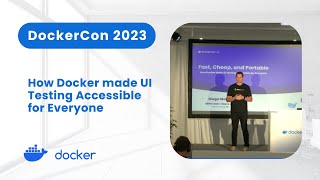
How Docker Made UI Testing Accessible for Everyone
Explore how Docker revolutionized UI testing, offering cost-effective, portable, and efficient solutions. Learn about developer workflow enhancements, resource optimization, and seamless DevOps integration for improved software quality.
Merging Kernel Testing Code into KernelCI
Learn how to integrate kernel testing code into KernelCI, expanding its ecosystem through direct additions or KCIDB. Gain insights from CIP project's experience in merging testing systems and collaborating with KernelCI for improved Linux kernel testing.

Kernel CI - Improving Automated Testing for Linux Kernel Development
Explore challenges and potential improvements in kernel testing systems, focusing on enhancing reliability, impact, and integration for more effective development and maintenance of the Linux kernel.
Constructing a Repository Test Strategy Built on Docker Containers
Explore strategies for building robust repository tests using Docker containers, enhancing software reliability and deployment efficiency.
Don't Start Over, Start Left - Choosing the Right Open Source Component
Explore shift-left testing for open source components, focusing on automatic testing methods to select suitable components early in development, avoiding costly replacements and rework.
Reporting and Tracking Regressions Across the Linux Ecosystem
Exploring strategies for efficient regression reporting and tracking in Linux kernel development, focusing on collaboration and standardization across the ecosystem.
Unifying and Improving Test Regression Reporting and Tracking in Kernel CI Systems
Exploring strategies to enhance kernel CI systems for better regression detection, analysis, and reporting. Discusses standardizing workflows, improving data processing, and addressing challenges in regression tracking.
Firefox: How to Ship Quality Software - 8000 Patches Every 6 Weeks
Discover Mozilla's strategies for maintaining Firefox's quality with rapid releases, extensive testing, and innovative tools for efficient software development.
Dynamic Program Analysis for Fun and Profit - Mentorship Session
Explore dynamic program analysis techniques for enhanced software quality and security. Learn practical applications and benefits in this insightful mentorship session.
Know Your QEMU and KVM Test Frameworks
Explore QEMU and KVM test frameworks with Thomas Huth from Red Hat, gaining insights into effective virtualization testing strategies and best practices.
Quality is Everyone's Responsibility
Explore the concept of shared responsibility for quality in organizations, emphasizing its importance and impact on overall success and efficiency.