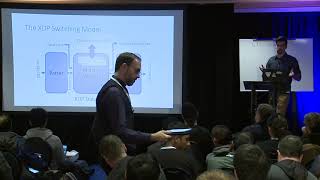
P4C-XDP - Programming the Linux Kernel Forwarding Plane Using P4
Explore P4C-XDP, a new backend for the P4 compiler leveraging XDP for high-performance software data plane in Linux kernel. Learn about its architecture, implementation, and potential applications.
Concurrency with Tools - Memory Model
Explore advanced concurrency concepts, tools, and memory models in Linux systems with experts Andrea Parri and Paul McKenney, enhancing your understanding of parallel programming.
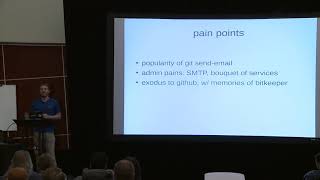
Migrating to Gitlab
Exploring graphics subsystem's innovative processes and freedesktop.org's migration to GitLab, discussing changes, experiments, and potential impacts on kernel development workflows.
The End of Time - 19 Years to Go
Exploring the 2038 Unix timestamp overflow issue, its impact on software and hardware, and ongoing efforts to address it in the Linux kernel and user space.
XDP 1.5 Years in Production - Evolution and Lessons Learned
Evolution of XDP and BPF in production: performance improvements, operational challenges, and future enhancements. Insights from Facebook's network processing implementation using XDP for over 1.5 years.
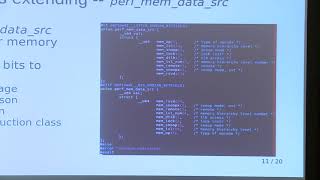
Enhancing Performance to Export Processor Hazard Information
Explore microprocessor instruction pipelines, hazards affecting efficiency, and a proposed extension to perf for exporting hazard data across architectures, with focus on IBM Power processors.
XArray
Explore XArray's capabilities, conversions from radix trees and IDA, potential replacements for list_head, and future improvements for broader application in Linux kernel development.
Clang + Linux
Explore Clang and LLVM for Linux kernel development, covering priorities, tools, and techniques to enhance compilation, debugging, and code analysis processes.

Distribution Kernels
Explore challenges in maintaining distribution kernels, including backporting, testing, ABI management, and cross-distribution collaboration. Gain insights from kernel maintainers across various platforms.

Printk - Why Is It So Complicated?
Explore the complexities of printk(), its history, recent rework, and remaining challenges in kernel logging. Gain insights into lockless ring buffers and NMI-safe synchronization.

Making Networking Queues a First Class Citizen in the Kernel
Explore advanced networking techniques in Linux, focusing on XDP and hardware queue management for improved packet processing performance and efficient resource allocation.

Real Time - MC
Explore real-time computing concepts and applications in Linux systems, focusing on mission-critical operations and performance optimization techniques.

Formal Verification Made Easy - and Fast
Explore formal verification for Linux using automata models, enabling efficient on-the-fly code generation and verification across various subsystems, enhancing reliability and performance.
Reflections on Kernel Quality, Development Process and Testing
Reflections on improving Linux kernel quality, development processes, and testing approaches to address current challenges in release quality, security, and developer productivity.
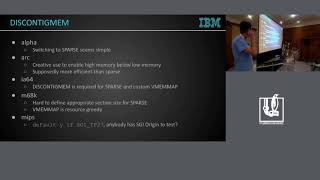
Memory Management Bits in Arch
Explore memory management in Linux architectures, focusing on code duplication, common patterns, and potential optimizations for improved efficiency and maintainability.
KUnit - Unit Testing for the Linux Kernel
KUnit: Lightweight unit testing framework for Linux kernel. Learn about its importance, implementation, and future roadmap. Explore challenges and testing paradigms in kernel development.
Discussions on Kselftest
Explore kselftest discussions led by Shuah Kahn, covering key aspects, challenges, and future directions of kernel self-testing in Linux development.

Printk - Why Is It So Complicated
Explore the complexities of printk() in Linux, its history, recent rework, and ongoing challenges. Learn about lockless ring buffers, memory barriers, and NMI-safe synchronization.

Real-time MC
Explore real-time microcontroller applications in Linux systems, focusing on performance optimization and low-latency solutions for embedded devices.

Testing & Fuzzing MC
Explore advanced techniques for testing and fuzzing in Linux systems, focusing on improving software reliability and security through systematic vulnerability detection.
GNU Tools Track
Explore cutting-edge developments in GNU tools and their impact on Linux systems during this comprehensive conference track from industry experts.