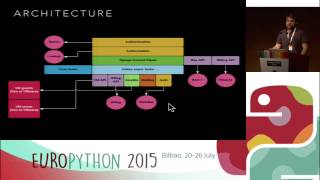
Architecture of a Cloud Hosting Service Using Python Technologies - Django, Ansible, and Celery
Explore the architecture of a cloud hosting service using Django, Ansible, and Celery. Learn about VM management, microservices integration, and University of Cambridge IT services.
Eight Rules for Dumb Development
Eight rules for simplifying development, focusing on clarity and manageable complexity. Learn to write code that's easier to understand, debug, and maintain.
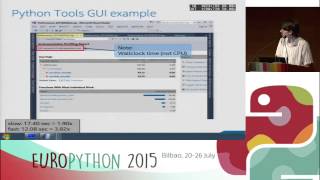
Tuning Python Applications Can Dramatically Increase Performance
Discover an experimental Python profiler with low overhead, line-level insights, and no source code modification. Learn to identify quick optimizations for significant performance gains.
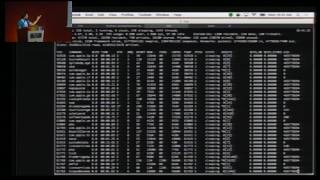
Where Is the Bottleneck?
Discover tools and techniques to diagnose performance bottlenecks in Python programs, identify resource-intensive areas, and optimize software efficiency.

So You Think Your Python Startup Is Worth $10 Million
Insights on valuing Python startups: metrics, risk assessment, code quality, and strategies to enhance company worth for investments or acquisitions.
Publish Your Code So Others Can Use It in 5 Easy Steps
Learn to publish Python code effectively with tools like GitHub, Travis CI, and PyPI, enhancing usability and collaboration potential for your open-source projects.
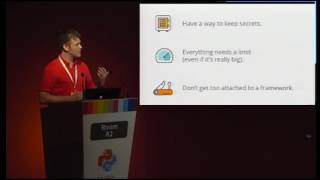
Building a Reasonably Popular Web Application for the First Time
Lessons learned scaling a SaaS web app: logging, monitoring, profiling, error handling, secrets management, scalability, database planning, feature testing, and code quality considerations.

The Gilectomy
Explore CPython's Global Interpreter Lock removal, its impact on performance, and potential solutions for multi-core utilization in this technical deep dive.
Managing Mocks
Explore effective mocking techniques in Python for improved unit testing. Learn to create, manipulate, and inspect mock objects, handle common scenarios, and maximize the unittest.mock library's potential.
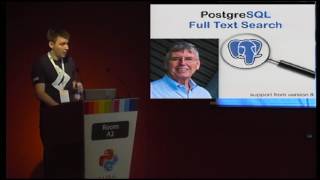
What is the Best Full Text Search Engine for Python?
Explore and compare full text search engines for Python, including ElasticSearch, Postgres Full Text Search, Sphinx, and Whoosh. Gain insights on performance, features, and selection criteria.
Documentation-Driven Development
Explore documentation-driven development's impact on code quality, community growth, and programmer development, drawing insights from Django's successful approach.
Pytest 3.0
Explore new features, breaking changes, and improvements in pytest 3.0. Learn about fixture enhancements, tox integration, and outcomes from the developer sprint that shaped this major release.
Writing Unit Tests for C Code in Python
Learn to write Python unit tests for C code using CFFI and pycparser. Explore creating mock functions, handling dependencies, and overcoming challenges in mixing Python and C for efficient testing.
High Availability Scaling with Share Nothing Architecture
Explore high availability scaling using Share Nothing Architecture, covering automated systems, data distribution, and tools like Celery and Redis for worldwide performance and availability.
Beyond Scraping
Discover advanced techniques for extracting data from dynamic, JavaScript-driven websites using a client-server architecture with zeromq, selenium, and beautifulsoup. Streamline your web scraping process for efficiency and robustness.
Managing Technical Debt
Explore strategies to manage and prevent technical debt in software development, focusing on its impact, measurement, and mitigation techniques for improved code quality and project sustainability.
Effectively Test Your Webapp with Python and Selenium
Learn efficient Selenium testing techniques for web applications using Python, exploring design approaches, technologies, and reporting tools for faster and more reliable test suites.
Python Descriptors for Better Data Structures
Explore Python descriptors for creating better data structures, inspired by Django models. Learn to improve code readability, implement efficient validation, and enhance declarative programming techniques.
Hacking Ético con Herramientas Python
Explora herramientas de Python para hacking ético, incluyendo análisis de vulnerabilidades, escaneo de puertos y extracción de metadatos para pruebas de seguridad y pentesting.

Pytest desde las trincheras
Introducción práctica a pytest para automatizar pruebas y reducir errores en producción, basada en un caso real de un sitio web internacional.
MiniBrew - Brewing Beer with Python
Explore IoT architecture for a smart beer brewing machine, focusing on real-time data handling, message queues, and Python backend design for seamless user experience.