
Automated Run-time Regression Testing with Fuego
Explore automated run-time regression testing for real-time applications using Fuego, focusing on detecting timing issues and internal problems through functional-test run-time logging.

Kernelspace Fault Injection with KRF - Discovering Vulnerabilities Through System Call Errors
Explore kernelspace fault injection with KRF to discover vulnerabilities and improve software resilience through targeted system call error induction and analysis.
Compliance and Open Deployment - Survey Results Panel Discussion
Explore how compliance accelerates open deployment through expert insights on business value, community processes, and industry collaboration in networking.
Open Source Governance Practices and Case Studies for Enterprises
Explore enterprise open source governance, including adoption strategies, community contributions, and program office establishment. Learn about licensing, compliance, and real-world case studies from industry leaders.

Edge Computing in the IoT - Challenges and Solutions
Experts discuss IoT edge computing challenges, use cases, and open-source solutions. Gain insights on edge vs. fog vs. cloud computing, industrial applications, and the evolving landscape of edge technologies.
OpenSDS - The Autonomous Data Platform for Cloud Native
Explore OpenSDS, an open-source platform addressing cloud-native storage challenges. Learn about its development plans, AI integration, and efforts to build an autonomous data storage ecosystem.

Ludum Dare Tips - Choosing Programming Languages for Game Development
Explore programming language options for game development, focusing on Java, C#, and Adobe Flash, with guidance on selecting the most suitable option based on your expertise.

The Future of the Sparky Game Engine
Explore the upcoming developments and enhancements for the Sparky Game Engine, including new platforms, features, and tools to improve game development workflows.

Introduction to C++ - Creating a Game Engine with Sparky Engine
Learn to create a game engine from scratch using C++. Covers essential concepts and techniques for building a robust foundation for game development.

ImGui Docking and Viewports - Game Engine Series
Learn to implement ImGui docking and viewports in game engine development, enhancing UI flexibility and multi-window support for improved user experience.

Pull Requests in Game Engine Development
Learn to manage and implement pull requests effectively in game engine development, enhancing collaboration and code quality.

ImGui Events in Game Engine Development
Learn to implement ImGui events in game engine development, enhancing user interface functionality and interactivity for a more polished and responsive gaming experience.
Precompiled Headers in C++
Learn to optimize C++ compilation times using precompiled headers, a powerful technique to speed up build processes and enhance development efficiency.
Setting Up a Test Framework for OpenGL
Learn to create a test framework for OpenGL projects, enhancing code reliability and streamlining development processes in graphics programming.
The "auto" Keyword in C++
Explore the "auto" keyword in C++, its usage, benefits, and impact on code readability and type inference, enhancing your understanding of modern C++ programming practices.

Static Analysis in C++ - Benefits and Tools
Explore static analysis tools for C++ to enhance code quality, detect bugs early, and improve overall software reliability.

Visual Benchmarking in C++: How to Measure Performance Visually
Learn visual benchmarking techniques in C++ to measure and analyze performance using Chrome Tracing and instrumentation timers for effective code optimization.

Shader Asset Files in Game Engine Development
Learn to create and manage shader asset files for game engines, exploring techniques to optimize performance and enhance visual quality.

Benchmarking in C++ - How to Measure Performance
Learn effective techniques for measuring and optimizing C++ code performance through benchmarking, enhancing your ability to create efficient and high-performing applications.
Game Programming - Connecting Networks - Episode 7
Learn to implement network connections in game programming, focusing on practical techniques and best practices for multiplayer game development.
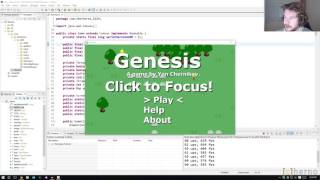
Reviewing and Fixing Old Ludum Dare Games - Genesis Episode 1
Revisit and improve old Ludum Dare game projects, exploring code optimization, bug fixes, and design enhancements to elevate game development skills and create better gaming experiences.