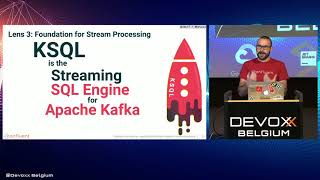
Embrace the Anarchy - Apache Kafka’s Role in Modern Data Architectures
Explore Apache Kafka's role in modern data architectures, focusing on its streaming platform capabilities, ecosystem, and design patterns for addressing enterprise data flow challenges.
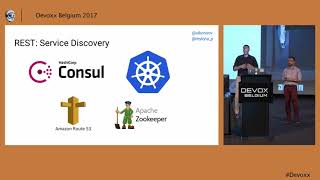
gRPC vs REST - Let the Battle Begin!
Explore the pros and cons of gRPC and REST for microservices communication. Compare performance, scalability, and best practices to make informed architectural decisions.
JUnit 5 - The New Testing Framework for Java and Platform for the JVM
Explore JUnit 5's new features for Java testing, including extensibility, modern API, and support for multiple JVM languages. Learn migration, architecture, and extension model.
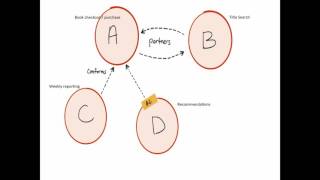
The Hardest Part of Microservices - Your Data
Explore data challenges in microservices, using Domain Driven Design to manage complexity. Learn about transactional boundaries, CAP theorem, and technologies like Kafka and Camel for building scalable, autonomous systems.
Microservices Data Patterns - CQRS & Event Sourcing
Explore diverse data distribution strategies for microservices, including CQRS, event sourcing, and reactive programming. Learn to choose optimal approaches for different scenarios and requirements.
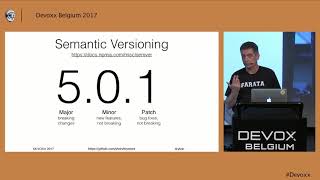
Angular Applied
Comprehensive Angular development tutorial covering components, services, routing, and deployment, with hands-on coding and expert insights for building modern web applications.

Slice & Dice Your Monolith with Domain Driven Design
Practical guide to refactoring monolithic applications using Domain-Driven Design. Learn to encapsulate data, implement Bounded Contexts, and evolve towards distributed Domain Events through live coding and real-world examples.
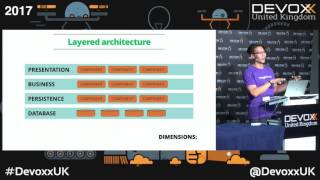
Evolutionary Architecture
Explore evolutionary architecture principles for building adaptable systems. Learn to balance change and value delivery, evaluate architectural styles, and implement practices for long-term system evolution.
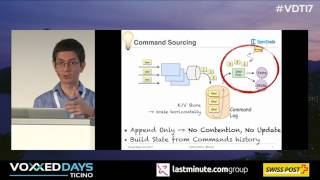
Dalla C alla Q, un evento per volta - Event Sourcing per immagini
Esplorazione dell'Event Sourcing e CQRS: dai concetti base alle sfide pratiche nei sistemi distribuiti, con focus su scalabilità e consistenza eventuale.

Introduction to Apache Kafka
Learn the fundamentals of Apache Kafka, a powerful event streaming system for distributed architectures. Explore its key features, use cases, and practical implementation through code examples.
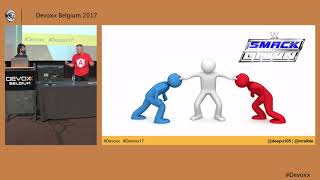
Angular vs React Smackdown
Comparative analysis of Angular and React, showcasing their similarities, differences, and unique features through live demonstrations and expert insights.
How Events Are Reshaping Modern Systems
Explore event-driven architecture's benefits in modern systems, including autonomy, scalability, and resilience. Learn design principles and practical techniques for leveraging events effectively.

Clean, Easy & Stable - Android Architecture
Discover strategies for building stable, clean Android apps using modern architecture components. Learn to structure your project for scalability, testability, and easy maintenance.

The Art of Discovering Bounded Contexts
Explore advanced domain-driven design techniques for identifying bounded contexts, designing microservices, and improving organizational alignment in complex systems.
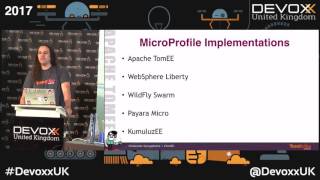
Cluster Your MicroProfile Application Using CDI and JCache
Learn to cluster MicroProfile applications using CDI and JCache. Explore live coding demos, Hazelcast integration, and running clusters on Raspberry Pi's for high availability and scalability.

The Language of Actors
Explore the Actor Model's relevance in modern software development, its synergy with Domain-Driven Design, and its role in addressing concurrency challenges and business domain modeling.

Migrating to Microservice Databases - From Relational Monolith to Distributed Data
Explore strategies for transitioning from monolithic databases to microservices architecture, focusing on data consistency, CQRS, event sourcing, and integration techniques for maintaining system integrity during migration.

Cracking the Code to Secure Software
Learn principles from Domain Driven Design to create secure code while focusing on business features. Discover how to use Domain Primitives, Entity Snapshots, and security testing to harden your code and prevent Domain DoS attacks.
Microservices with Kafka
Explore event-driven microservices architecture using Kafka for scalable, fault-tolerant, and high-performance distributed systems. Learn implementation strategies and best practices for efficient communication between services.

Microservices with Kafka
Explore event-driven microservices architecture using Kafka for scalable, fault-tolerant, and high-performance distributed systems. Learn to leverage Kafka's publish-subscribe model for efficient inter-service communication.

Curing Your Domain Model Anemia with Effective & Clean Tips from the Real World
Practical tips for implementing Domain-Driven Design, improving code quality, and enhancing testability in real-world scenarios. Learn to create robust, maintainable software using effective object-oriented principles.