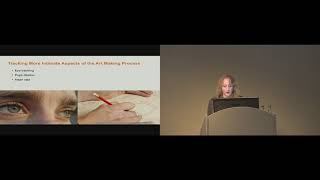
A Rough Sketch of the Freehand Drawing Process - Blending the Line between Action and Artifact
Explores a research probe tracking artists' pencil movements, revealing insights into technique, process, and emotions. Discusses implications for HCI systems in digitally-mediated arts and sharing creative processes.
Protection, Productivity and Pleasure in the Smart Home - Emerging Expectations and Gendered Insights from Australian Early Adopters
Explores gendered experiences of smart home early adopters, focusing on protection, productivity, and pleasure. Identifies design challenges and opportunities for HCI designers to address gender-related issues.

When People and Algorithms Meet - User-Reported Problems in Intelligent Everyday Applications
Análisis de problemas reportados por usuarios en aplicaciones inteligentes cotidianas, revelando desafíos en contenido, algoritmos, elección del usuario y retroalimentación, con implicaciones para el diseño de sistemas de apoyo.
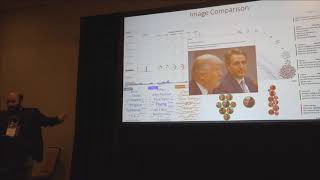
Vulnerable to Misinformation? - Verifi
Explore Verifi2, a visual analytics system for investigating misinformation on social media. Learn to distinguish suspicious news using linguistic, network, and image features.

Touchies and Feelies - Everything I Know About Human Interfaces
Explore human interfaces through diverse experiences like baking and storytelling. Gain insights on social interactions and future digital human possibilities from a renowned psychologist and broadcaster.

Design and Evaluation of Semi-Transparent Keyboards on a Touchscreen Tablet
Explores design and usability of semi-transparent soft keyboards for tablets, examining transparency levels, design options, and text caret positioning to optimize screen space and typing efficiency.

Robots for Us - Social Perspectives on the Collaborative Design of Ubiquitous Robots
Exploring social perspectives on collaborative design of ubiquitous robots, focusing on healthcare applications and their impact on individuals, groups, and social relationships.
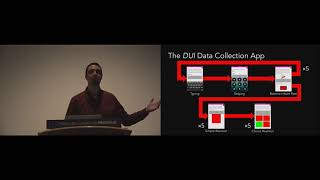
Drunk User Interfaces - Determining Blood Alcohol Level through Everyday Smartphone Tasks
Innovative smartphone interfaces measure blood alcohol levels through user performance, offering a potential alternative to breathalyzers for assessing inebriation in everyday scenarios.
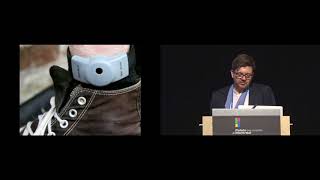
Imaginary Design Workbooks - Constructive Criticism and Practical Provocation
Explores critical design strategies using "imaginary design workbooks" to provoke innovative thinking about home hub technology, challenging the divide between constructive and critical design approaches.
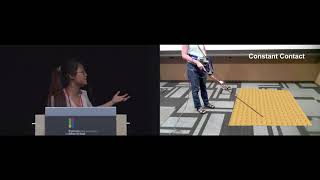
Enabling People with Visual Impairments to Navigate Virtual Reality with a Haptic and Auditory Cane Simulation
Innovative haptic controller simulates white cane interactions, allowing visually impaired users to navigate virtual environments using familiar skills, with physical, vibrotactile, and auditory feedback.

CommunityCrit - Inviting the Public to Improve and Evaluate Urban Design Ideas through Micro-Activities
Explore a system for engaging communities in urban design through micro-activities, offering insights on public participation, project awareness, and diverse skill levels in planning processes.

Crowdsourcing Rural Network Maintenance and Repair via Network Messaging
Explores crowdsourcing network repair in rural Philippines using SMS, revealing community eagerness and capacity for resolving common failures when repairs align with local experiences.
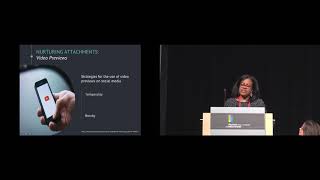
Social Computing-Driven Activism in Youth Empowerment Organizations - Challenges and Opportunities
Explores challenges and opportunities in using social networking apps for youth-led activism, highlighting tensions between youth and staff in organizational contexts.
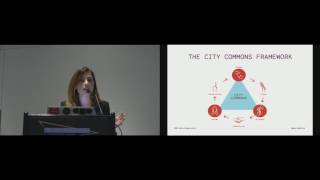
A City in Common - A Framework to Orchestrate Large-Scale Citizen Engagement around Urban Issues
Framework for citizen sensing to address urban issues through community-managed resources. Empowers local communities to collect, share, and act on data for tackling problems like damp housing in Bristol.
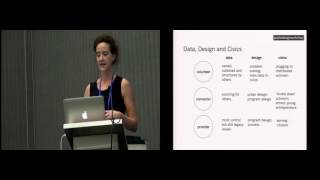
Data, Design and Civics - An Exploratory Study of Civic Tech
Exploratory study examining how civic leaders conceptualize civic tech, focusing on intersections of data, design, and civics. Identifies key issues and proposes guiding questions for advancing the field.
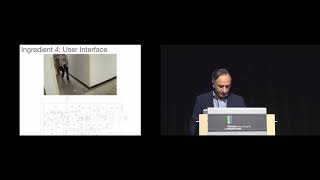
Easy Return - An App for Indoor Backtracking Assistance
Innovative iPhone app assists blind users in backtracking indoor routes without maps or environment modifications, using turn sequences and step counts. Tested with blind participants in controlled indoor experiments.
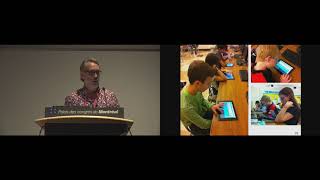
Educational Game and Intelligent Tutoring System - A Classroom Study and Comparative Design Analysis
Comparative study of DragonBox and Lynnette for equation-solving: DragonBox offers more enjoyment and problem-solving, while Lynnette yields better post-test performance. Analysis explores combining strengths of both systems.
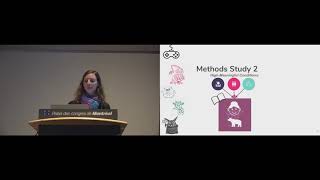
Choosing to Help Monsters - A Mixed-Method Examination of Meaningful Choices in Narrative-Rich Games and Interactive Narratives
Explores how meaningful choices in narrative games impact player experiences, highlighting moral, social, and consequential aspects that enhance appreciation and engagement in both entertainment and serious game contexts.
Playing to Wait - A Taxonomy of Idle Games
Explores the characteristics and design of idle games, developing a taxonomy and analyzing game features to deepen understanding of this minimalist gaming phenomenon.

Gender Recognition or Gender Reductionism - The Social Implications of Automatic Gender Recognition Systems
Explores transgender individuals' perceptions of Automatic Gender Recognition technology, highlighting concerns about privacy, accuracy, and potential harms. Offers recommendations for designing gender-inclusive digital systems.

I've Been Manipulated! - Designing Second Screen Experiences for Critical Viewing of Reality TV
Explore innovative smartphone apps designed to promote critical viewing of reality TV, encouraging viewers to identify patterns, tropes, and social media interpretations for deeper engagement with societal issues.