
Health, Technology, and Race
Explore the intersections of health, technology, and race with Yeshimabeit Milner's insightful keynote, addressing crucial societal issues and their impact on modern healthcare and technological advancements.
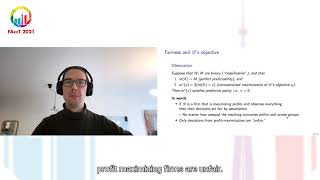
Fairness, Equality, and Power in Algorithmic Decision-Making
Explore the ethical implications of algorithmic decision-making, focusing on fairness, equality, and power dynamics in AI systems and their societal impact.

Allocating Opportunities in a Dynamic Model of Intergenerational Mobility
Explore intergenerational mobility dynamics and opportunity allocation in this research presentation, examining societal impacts and potential policy implications for fairness and equity.

Making Accountability Real - Strategic Litigation
Explore strategic litigation's role in advancing digital rights and holding tech companies accountable, with insights on effective legal strategies and global case studies.

Productivity and Power - The Role of Technology in Political Economy
Explore the intersection of technology, productivity, and political power with Harvard Law professor Yochai Benkler in this thought-provoking keynote address from FAT*2020.
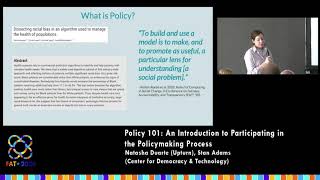
Policy 101 - An Introduction to Participating in the Policymaking Process
Learn to engage effectively in policymaking processes, focusing on technology policy. Gain insights into advocacy strategies and understanding legislative procedures for impactful participation.

Parole Denied - One Man's Fight Against a COMPAS Risk Assessment
Exploring the impact of COMPAS risk assessment in prisons, focusing on Question 19's influence on parole decisions and the challenges faced by inmates in addressing algorithmic bias.
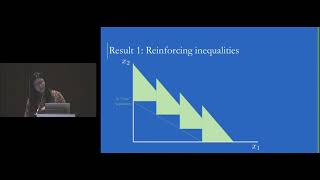
Economic Models II
Explores strategic manipulation, fair decision-making, and affirmative action in economic models. Discusses disparate effects, social costs, and downstream impacts on equality and fairness in algorithmic systems.

Economic Models I
Exploration of fair machine learning through economic models, addressing equality of opportunity, population-level signaling, competitive equilibrium, and fair allocation algorithms.
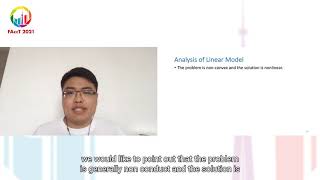
Price Discrimination with Fairness Constraints
Explore ethical price discrimination strategies that balance profit maximization with fairness considerations, addressing societal concerns in algorithmic pricing.
Black Feminist Musings on Algorithmic Oppression
Explore the intersection of Black feminism and algorithmic bias, examining how technology perpetuates systemic oppression and discussing potential solutions for a more equitable digital future.
Reviewable Automated Decision-Making - A Framework for Accountable Algorithmic Systems
Explore a framework for accountable algorithmic systems, focusing on reviewable automated decision-making to enhance transparency and fairness in AI-driven processes.

Censorship of Online Encyclopedias - Implications for NLP Models
Explore how censorship of online encyclopedias impacts NLP models, examining political effects and implications for AI development and information access.
A Bayesian Model of Cash Bail Decisions
Explore a Bayesian approach to modeling cash bail decisions, examining the factors influencing judicial determinations and their implications for fairness in the criminal justice system.
Fairness, Welfare, and Equity in Personalized Pricing
Explore the ethical implications and economic impacts of personalized pricing strategies, focusing on fairness, consumer welfare, and equity considerations in dynamic market environments.
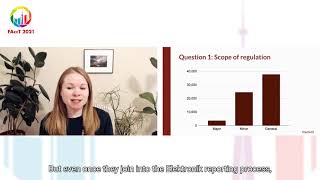
The Distributive Effects of Risk Prediction in Environmental Compliance - Algorithmic Design, Environmental Justice, and Public Policy
Explore the impact of risk prediction algorithms on environmental compliance, justice, and policy. Uncover the distributive effects and implications for algorithmic design in environmental regulation.
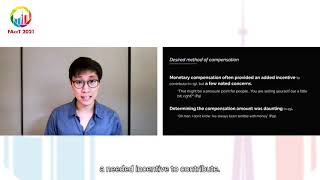
Designing an Online Infrastructure for Collecting AI Data From People With Disabilities
Explore the design of online systems for gathering AI data from individuals with disabilities, addressing challenges and ethical considerations in inclusive data collection.
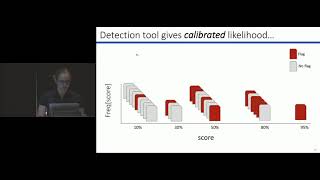
Fairness Methods
Explores advanced fairness methods in machine learning, including causal awareness, soft-to-hard decision making, and deep weighted averaging classifiers, to address bias and promote equitable AI systems.

Translation Tutorial - A Shared Lexicon for Research in Human-Centered Software Systems
Explore key terms in fairness, accountability, and transparency in algorithmic systems. Learn how different disciplines interpret these concepts to improve cross-disciplinary communication and research in human-centered software.

21 Definitions of Fairness and Their Politics
Explore 21 mathematical definitions of fairness in machine learning, their embedded values, and implications for ethics and policy. Gain insights into the complexities of algorithmic fairness and its connection to theories of justice.

What Is Discrimination, When Is It Wrong and Why?
Exploration of discrimination's definition, permissibility, and ethical implications. Surveys scholarly perspectives on discrimination law's purpose and debates surrounding various approaches to identifying wrongful discrimination.