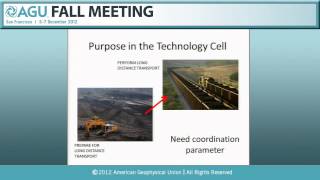
The Anthropocene: Confronting the Prospects of a +4°C World - Part 1
Explore the Anthropocene era and its implications for a +4°C world through expert discussions on paleontology, land cover changes, international law, climate impacts, and science communication.
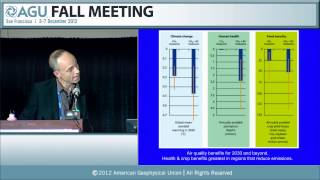
Mitigating Near-Term Climate Change While Advancing Human Development
Explores strategies to mitigate near-term climate change while promoting human development, focusing on practical emissions reduction techniques and their multifaceted impacts on environment, health, and agriculture.
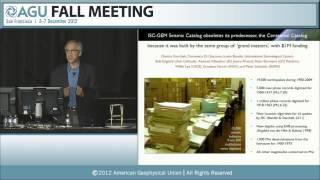
Defeating Earthquakes - Global Earthquake Model and Risk Mitigation
Exploring earthquake risk awareness, global impact, and mitigation strategies through the Global Earthquake Model initiative to reduce casualties and improve urban resilience worldwide.
Evidence for Human Effects on Global Climate
Explore evidence for human-induced climate change with insights from an American Physical Society subcommittee, covering key findings and implications for global climate policy.

Police Chase: Impact of Reaction Times - Episode 6
Explore the impact of police officer reaction times on catching speeders through physics simulations and coding examples.
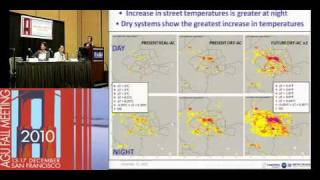
New Views of Urban Heat Islands
Explore satellite data insights on urban heat islands, their variations across cities, public health impacts, and potential exacerbation of heat waves through increased air conditioning usage.
Spring Pendulum Simulation Using Jupyter - Fun With Lagrangians
Explore spring pendulum dynamics using Jupyter, focusing on energy conservation and competing forces. Includes GlowScript and Jupyter implementations for rich phase space visualization.
Spring Pendulum Simulation Using GlowScript and Lagrangian Mechanics
Explore spring pendulum dynamics using GlowScript, examining energy conservation and competing forces through rich phase space views and Lagrangian mechanics.
How Does the Brain Beget the Mind? - Bridging Neuroscience and Cognition
Exploring the neural basis of cognition and intelligence through the Assembly Calculus, a computational system bridging the gap between brain activity and higher-level cognitive functions.
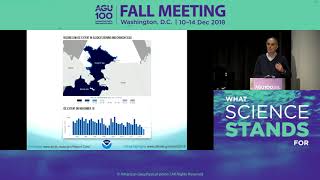
Arctic Report Card 2018 - Environmental Changes and Impacts
Comprehensive overview of Arctic environmental changes, featuring expert insights on climate, ecosystems, and human impacts, with implications for global weather patterns and policy decisions.
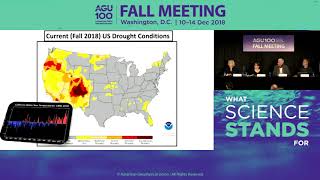
Explaining Extreme Weather Events of 2017 from a Climate Perspective
Scientists discuss new research linking extreme weather events to climate change, including droughts, floods, and fires across the globe. Findings offer insights into the new norms of unusual, high-impact climate events.
The Secret Lives of Tide Gauge Operators - Historical Data and Sea Level Rise
Explore the hidden world of tide gauge operators and their crucial role in understanding sea level changes, from historical records to modern climate research.
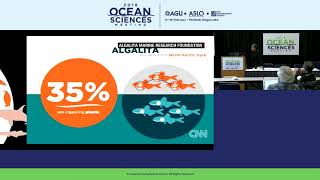
The Great Pacific Garbage Patch - Size, Composition, and Policy Implications
Explore the Great Pacific Garbage Patch's size, composition, and impact. Learn about research findings and potential policy solutions to address this growing environmental concern.

Ten Tips for Creating Successful Community Science Projects
Learn strategies for launching community science projects, with inspiring stories and key tips from experts in collaborative scientific initiatives.
Climate Solutions: Policy, Planning, Science and Engineering in Uncertain Times - 2017
Explore climate solutions through policy, planning, science, and engineering amid uncertain political and economic times. Experts discuss strategies for addressing climate challenges.
Coastal Louisiana: Canary in the Coal Mine for Low-Elevation Coastal Zones - 2017 Fall Meeting
Explore challenges and solutions for coastal Louisiana's low-elevation zones, featuring expert insights on protection, restoration, and community impacts of environmental changes.
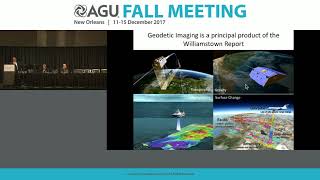
Gilbert F. White Distinguished Lecture Award - Geophysical Risk and Sustainability
Explore geophysical risk and sustainability with John L LaBrecque's distinguished lecture, offering insights into critical environmental challenges and potential solutions.
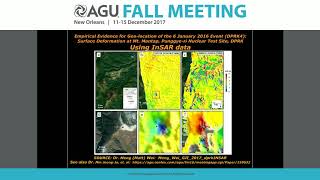
North Korean September 3, 2017 Declared Nuclear Test - Part 1
Comprehensive analysis of North Korea's 2017 nuclear test, covering seismic data, satellite imagery, and atmospheric monitoring. Experts discuss technical findings and implications.
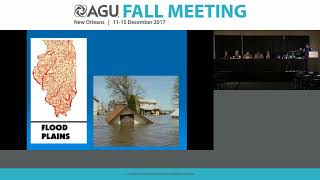
Mitigating Flood Risk and Climate Change Impacts Through Managed Retreat
Explore strategies for managed retreat to mitigate flood risks and climate change impacts, featuring insights from experts in community development, urban planning, and disaster response.
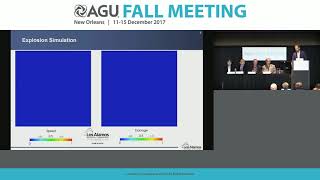
North Korean Nuclear Test of September 3, 2017 - Geophysical Analysis
Geophysics experts discuss findings on the September 3, 2017 North Korean nuclear test, detected by over 100 seismic sensors worldwide, using advanced geophysical monitoring methods.
Assessing Flood Risk in the U.S. - Climate Change Impacts and Mitigation Strategies
Experts discuss new flood risk estimates, sea level rise impacts on infrastructure, and community relocation strategies in the face of climate-driven flooding across the United States.