
The Science of Cooperation - Evolution of Social Behavior in Humans and Animals
Explore the evolution of cooperation in humans and animals, its role in our social structures, and its dark side. Gain insights into why we cooperate and how it shapes our behavior and relationships.
How Climate Change Causes Biodiversity Loss and What We Can Do About It
Explore the interconnection between climate change and biodiversity loss, and discover strategies to protect ecosystems. Learn from experts about the impacts on flora, fauna, and fungi, and how conservation efforts can mitigate global warming.
The Psychology of Climate Change - Inspiring Action Without Despair
Explore psychological approaches to climate change communication, focusing on inspiring action without inducing despair. Learn strategies for effective public engagement from experts in environmental psychology and global health.
Identifying and Mitigating Climate Change Risks - Panel Discussion
Explore climate change risks, assessment methods, and mitigation strategies across various sectors. Expert panel discusses global warming, emergency management, and economic impacts.
Great Moments in Science
Dr Karl's whirlwind tour of scientific explanations and bizarre facts, covering topics from forgetfulness to cat falls, and the effects of different mixers on alcohol consumption.

The Physics and Philosophy of Time
Explore the enigma of time through physics, philosophy, and art with Carlo Rovelli. Uncover radical transformations in our understanding, from Einstein to quantum gravity, challenging intuitive notions of past, present, and future.
The Science of Collaboration
Explore the evolutionary importance and cognitive science behind human collaboration with experts Uta and Chris Frith, examining advantages, decision-making, and social cognition in group settings.
Why Dirt and Microbes Could Be Good for Us
Explores the potential benefits of exposure to dirt and microbes, challenging the notion of excessive hygiene and suggesting a balanced approach to microbial interactions for improved health.
How Can Chemistry Make Our Society More Sustainable?
Explore how chemistry and catalysts can create a more sustainable society, focusing on waste-powered transport and carbon dioxide conversion challenges.
How Can Science Be More Open?
Alice Williamson explores the open science movement, discussing its benefits, challenges, and potential to revolutionize research accessibility and efficiency for both academics and the public.
The Human Cosmos - Humanity's Relationship with the Night Sky
Explore humanity's profound connection to the cosmos, from ancient stargazers to modern scientific breakthroughs, and how celestial awe shapes our art, beliefs, and understanding of the universe.
Our Quest to Understand the Brain - History and Modern Approaches
Explore the brain's complexity through history, from mechanical analogies to modern AI. Discover how scientific understanding has evolved and what current research reveals about memory and cognition.
Are We Running Out of Precious Elements? - Sustainability and Resource Management
Experts discuss the scarcity of chemical elements crucial for modern technology, exploring sustainability, recycling, and the impact of consumer culture on our finite resources.
Working Circular - Incorporating Circular Economy Principles at Work
Virtual panel discussion exploring circular economy initiatives in various fields, featuring insights from industry professionals on sustainable practices, textile recovery, and organizational sustainability.
Intersections of Climate Change and Health - Lessons from COVID-19
Explore the intersection of climate change and health, focusing on COVID-19, with insights from environmental leaders on systemic issues and future strategies.
DC's Food Fighters - Combating Hunger, Creating Opportunity
Explore innovative approaches to combat hunger and create opportunities in DC with renowned chefs and food industry leaders. Learn about sustainable solutions and community empowerment initiatives.
Redefining Conservation - Innovative Approaches to Environmental Protection
Explore innovative approaches to environmental conservation with Mark Tercek, discussing sustainable solutions and the intersection of business and nature protection.

AI and Climate: A Cause for Hope - Session 1
Explore AI's role in addressing climate change, from COP26 reflections to future prospects. Learn how technology and collaboration can drive solutions for a sustainable future.
Earth Day Turing Lecture - AI, Because There Is No Planet B
Climate scientist Emily Shuckburgh presents scientific evidence on climate change, explores potential solutions, and discusses COVID-19's impact on the environment in this Earth Day lecture on sustainability and the climate crisis.
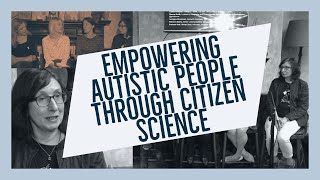
Empowering Autistic People Through Citizen Science
Explore how citizen science can empower autistic individuals and create inclusive public spaces. Learn about ethical data sharing and city design improvements to enhance the lives of autistic people.
Feeling the Heat: The Climate and Health Challenge
Experts discuss climate change's dire health impacts, emphasizing equity and resilience-building to address environmental injustice and protect vulnerable populations from escalating threats.